



The Michelin brothers didn’t just sell rubber. They built an entire ecosystem around the act of driving. Founded in Clermont-Ferrand in 1888 by André and Édouard Michelin, the company started by making tires for bicycles and horse-drawn carriages. The real pivot happened in the 1890s. They saw the future. It had wheels. And those wheels needed air.
The story of their rise isn’t just about industrial might. It’s about marketing genius. They needed the world to trust pneumatic tires on fast, dangerous motor vehicles. So they proved it. In 1895, they bolted demountable pneumatic tires onto a car and entered the Paris–Bordeaux road race. They didn’t win. They didn’t even come close to the top spots. But the car arrived. The tires held. The public took notice.
The first Red Guide was a pocket-size, alphabetical listing of French towns… that were large enough to contain hotels and garages.
This practical demonstration sparked interest. It turned Michelin into a major European producer. But André Michelin had a bigger idea. He wanted people to drive more. More driving meant more wear and tear. More wear meant selling more tires.
His solution? Publish a guide.
In 1900, he released the first Red Guide. It was simple. A small booklet. It listed French towns with hotels and garages. That was it. Basic utility. But it contained the seeds of a global brand. It introduced the rating symbols that still define luxury travel today. These symbols indicate everything from comfort levels to amenities like swimming pools and air conditioning.
The guide also reviewed restaurants. It marked places with serviceable, inexpensive meals. And it highlighted a select few with three stars. These were establishments offering “cooking worth a special journey.”
The strategy worked. People bought the books to plan trips. They drove the cars. They wore out the tires.
Michelin expanded its operations alongside its publications. It opened its first foreign plant in Turin, Italy, in 1906. By 1951, it reorganized as a holding company. This structure allowed it to manage interests in tires, synthetic rubber, and other rubber products.
Innovation remained central. In 1948, Michelin introduced steel-belted radial tires. This was the first time the industry saw this technology. It changed how cars handled and lasted.
The guides spread beyond France. By 1957, Michelin published Red Guides for other Western European countries. Spain and Portugal. Italy. Great Britain and Ireland. The Benelux countries. West Germany.
Today, the company operates facilities in numerous countries. The tire business remains robust. The travel guides remain iconic. But the core mechanism hasn’t changed.
Create a desire to move. Provide the tools to move. Sell the product that wears down moving.
It’s a loop. A closed circuit of commerce. You buy the guide to see the world. You drive there. You buy the tires that get you there.
Does the guide create the market? Or does the market create the guide?
The line blurs. Michelin occupies both sides. It is the maker of the vehicle’s foot. And the writer of the journey. Both are essential. Both are sold under the same logo.
The Red Guide evolved. The symbols expanded. The stars became a global standard for culinary excellence. But the original intent remains. Promote tourism. Support the tire industry.
It works.

Beyond the Red Guides: Green Guides and Maps
The Michelin Red Guides are the household name, but they are not the only tool in the bag. Travelers seeking deeper context often turn to the Michelin Green Guides. These supplementary volumes focus on what lies beyond the plate. They offer detailed information on museums, natural wonders, and cultural landmarks across specific regions.
This approach caters to a different kind of curiosity. It is about understanding the landscape, not just the lunch spot. Michelin also produces highly detailed maps. These are not mere navigation aids. They are informative resources that help visitors navigate the geography of a destination.
The combination of guidebooks and maps creates a more complete picture. You get the culinary ratings from the Red Guides. You get the historical and natural context from the Green Guides. And you get the spatial orientation from the maps.
The Green Guides provide aid to the traveler in search of more information on museums, natural wonders, and other points of interest.
This ecosystem of publications serves a specific purpose. It moves travel planning from transactional to experiential. You are not just booking a hotel. You are preparing to engage with a place. The maps offer precision. The Green Guides offer narrative. The Red Guides offer validation.
Together, they form a toolkit for the informed traveler. One does not replace the other. They layer information. A trip planned with all three tends to be richer. The risk of missing a key site drops. The chance of superficial engagement also drops.
It is a system built on depth. Michelin has known this for over a century. The Red Guides drive the business. The Green Guides and maps sustain the brand’s authority. They position Michelin not just as a restaurant critic, but as a curator of experience.
This matters for the modern traveler. Options are endless. Noise is high. A structured set of reference materials cuts through the clutter. It provides a baseline of verified quality. It suggests where to look before you arrive.
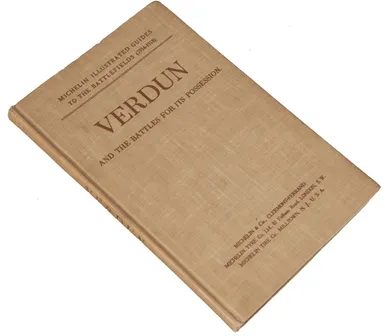
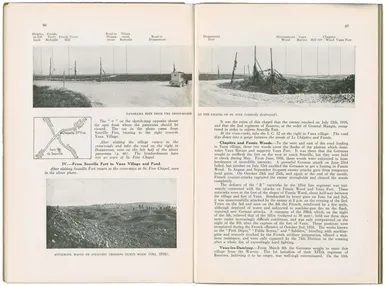
The pages from The Battle of Verdun (1914–1918) may seem unrelated to food and travel. But they are part of the same lineage. The Newberry Library holds these items as gifts. They represent a century of meticulous documentation. That same spirit drives the current guides. Attention to detail. Care for the subject.
You can pick one guide. You can skip the maps. But you lose the layer. The Green Guides add weight to your itinerary. The maps add clarity. The result is a trip that feels intentional. Not random. Not improvised.
This is how you build a journey that sticks. By knowing where you are going. And why it matters. The numbers don’t always tell the whole story. But they point to the right questions.