



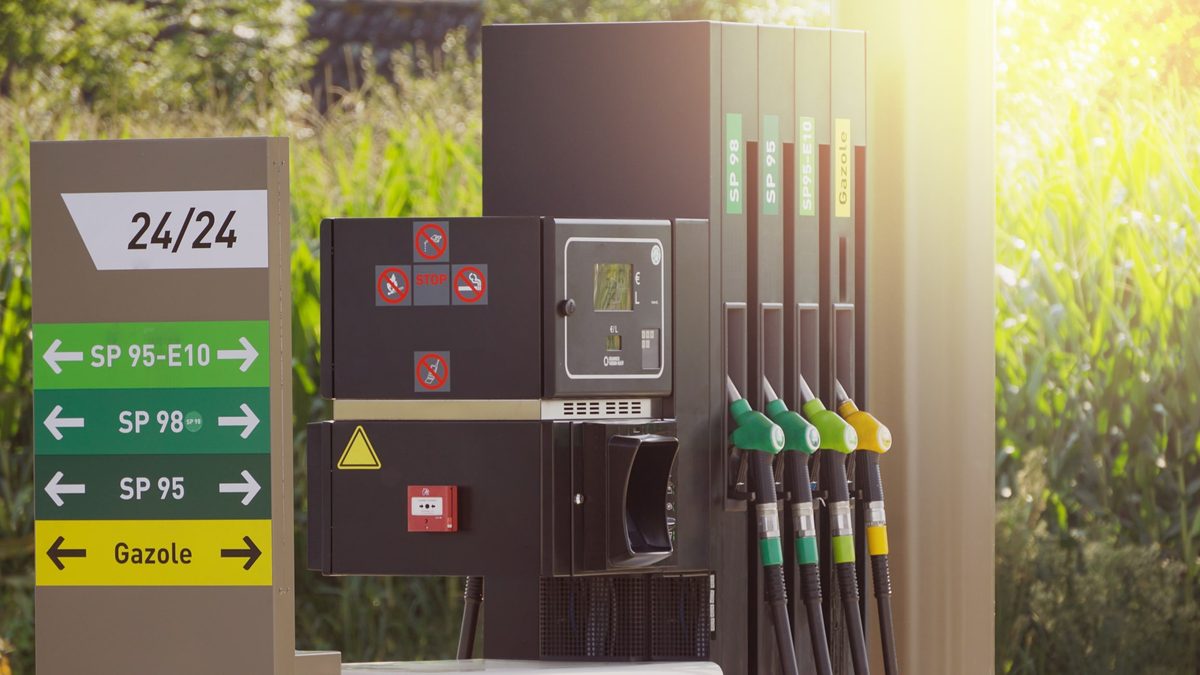
Gas prices are rising. Also. Most drivers believe that pump prices will not change. This is not true.
Station prices change several times a week. It can change every hour. This variation creates hidden opportunities for those who drive regularly. No need to travel miles to get to a cheaper station. No need to change brand or loyalty programs.
The savings come from timing.
Why gas prices change so often
Supply chains are complex. When a refinery shuts down in one state, prices can rise hundreds of miles away. Weather events disrupt distribution. Seasonal blends of summer or winter fuels further increases cost variability.
Market analysts keep an eye on crude oil futures. They also track regional supply and demand imbalances. When local terminals run low on inventory, retailers raise prices to ration supply. As new inventory arrives, prices may drop to clear excess inventory.
This creates windows for cheaper prices. Not having these windows can be expensive. Find them and save them.
When to fill
There are no universal rules. Prices vary by location. They depend on competition. It depends on the owner of the neighboring station.
However, there is a pattern.
Many stations adjust their prices on Monday morning. This is done according to the weekly accounting period. Some retailers offer mid-week discounts to boost sales during the slow shopping days. prices can also be lowered on Thursday or Friday afternoons as stations try to capture weekend traffic before fares rise again.
Check the price history of your local station. Many applications track this information. Find stations within five-mile. Compare prices for the same hour.
The psychology of the full tank
Drivers are worried about running low. This fear drives action. When the lights come on, You fill up. We do not check price trends. Just pay.
This way is expensive.
If you wait for prices to fall, you risk them falling further. But if you keep an eye on the prices, you can plan accordingly. Fill up when the weekly trend is down. Avoid filling up during an uptrend.
This requires discipline. You should check the price before you go. But the difference between $2.50 gallon and a $2.40 gallon is even greater. Over a year, and the amount is only a few hundred dollars.
The trade-off
Time has value. Spending 20 minutes checking fares or driving to a cheaper station is only worth it if the savings exceed the time cost. For most people, the benefits are small.
However, the calculation changes for drivers with high mileage.
If you drive 20,000 miles a year. Let’s say your car gets 25 miles per gallon. Buy 800 gallons of gasoline. If you save 10 cents per gallon, you save $80. It won’t change your life. But it’s free money.
Real strategy
Don’t try to find the absolute lowest price. This is a moving object. Instead, aim for average low.
Choose a trusted station. Set price alerts if your app allows it. Fill up if the price falls below the average for the area. Don’t chase every dip. Don’t ignore any rise.
Find your own rhythm.
The goal is not to optimize all fillings. The goal is to lower the average price per gallon over time. Small adjustments add up.
What if the price goes up unexpectedly? You have no choice but to pay
Why do gas prices change so quickly?
You might think that gas prices will stay the same for seven days. This is a dangerous assumption. In fact, fuel costs vary. Retailers, especially large supermarkets, calibrate their pumps several times a week. They are not doing this out of kindness. They respond to three types of direct stress. Local competition. real-time needs. Fluctuations in the price of a barrel of crude oil.
If you think of gas prices as a fixed weekly statistic, you’re probably paying too much.
The Sweet Spot: Tuesday and Wednesday
Field research and consumer data show a consistent pattern. Prices reach their lowest between Tuesday and Wednesday. This week starts with inertia. As of Monday, many stations still had inflated weekend rates. They have not caught up.
But on Thursday, the trend reverses. Prices started to rise. On Friday and Saturday, the increase in foot traffic forced retailers to raise costs. The calculation is easy. As demand increases, you can charge higher prices. You pay for the inconvenience caused by someone else’s driving.
Morning and evening: quiet time
Price changes are not limited to days of the week. The time of day is also important. Although less common than daily shifts, some stations adjust fares based on opening hours. Refueling early in the morning or late at night has tactical advantages. You may be able to find out the previous day’s rate before the new rate goes live.
Here’s a side benefit. Fewer cars. Less idling. Less stress. Time is money. The savings per gallon are minimal, but the wasted time is real.
Weekend trap
The weekend is a trap for the unprepared. Increased demand for beach trips, family visits, vacations, etc. The station had been waiting for it. They raise prices preemptively. Filling up on a Saturday afternoon can cost significantly more than filling up on a Wednesday morning. The market corrects based on the expected volume. Don’t fight the market. Avoid it.
Cost promotion: rare but Real
Some retailers may run “cost price” promotions. These are rare cases. Usually seen on Friday or Saturday. The goal is traffic, not profit. These deals can be lucrative. But they are not systematic. It doesn’t happen every week. You can’t rely on them as a strategy.
You have to be proactive. Watch flyers. Check the store app. If you miss the window, you will miss the deal. There is no algorithm that can automatically notify you. Please take a look.


Best time: weekday mornings
If you want to increase your fuel budget without changing your driving habits, timing is everything. The data is surprisingly consistent. Tuesday and Wednesday are widely known as the best days to fill up. Why? Supply chain and logistics often replenish stocks or adjust prices in the middle of the week before the weekend rush. By the middle of the week, stations will be working to move stock for the Friday and Saturday rush hour.
It’s a trap from Friday to Sunday. You pay a premium. When people travel, demand spikes and station prices rise accordingly. Unless there are special offers, weekends are the most expensive time to buy gas.
Race against time: outside rush hour
The time of day is as important as the day of the week. Avoid the morning rush hour (7:00 a.m. to 9:00 a.m.) and the evening rush hour (5:00 p.m. to 7:00 p.m.). Prices may vary slightly based on real-time demand algorithms used by various automated pricing systems. The quietest times are usually in the morning (10-11 a.m.) or in the evening (after 8 p.m.). Fewer cars in line means less immediate demand pressure. This is a small but small edge.
Follow the Flash sale
Large retailers and large supermarket chains often sell fuel for a limited time. These are not planned weekly. They appear randomly and sometimes last only 24-48 hours. If you wait until the tank is empty, you will miss the window. Waiting is key.
“The higher your expectations, the more options you have.”
Do not wait for the low-fuel light to come on. In that case, it affects the price of the nearest station. Familiarize yourself with the applications and loyalty programs in advance. If you see a drop, leave the area. If not, wait until you are close to a competitor who may be matching or undercutting.
Mathematics doesn’t lie
Some people think that saving 5 or 10 cents per liter is insignificant. This is wrong. Let’s look at the numbers.
- Average annual consumption for a typical driver: EUR 1,000 – EUR 1,500
- Savings with smart timing: 5-10 cents per liter
- Annual savings potential: 50 euros – more than 150 euros
This is not pocket change. That’s a good portion of a month’s worth of groceries, utilities, or an emergency fund. It only takes a few minutes of planning.
There are no quick fixes, only smart habits
There is no overnight trick to reducing fuel costs. But there is a simple and proven method. Shop on Tuesdays or Wednesdays, avoid weekends, stock up during off-peak hours, and keep an eye out for limited-time sales.
No need for a hybrid car. There is no need to change the route. You just have to show up at the right time.
Get started today. Check prices at two different stations. Choose the cheaper one. Do it again next week. Notice the difference.
This has not about suffering. It’s all about strategy.
The next time your tank is half empty, ask yourself this question. Is Tuesday closer than Friday? Would 10am be better than 6pm?
Small choices add up.
And they grow fast.


