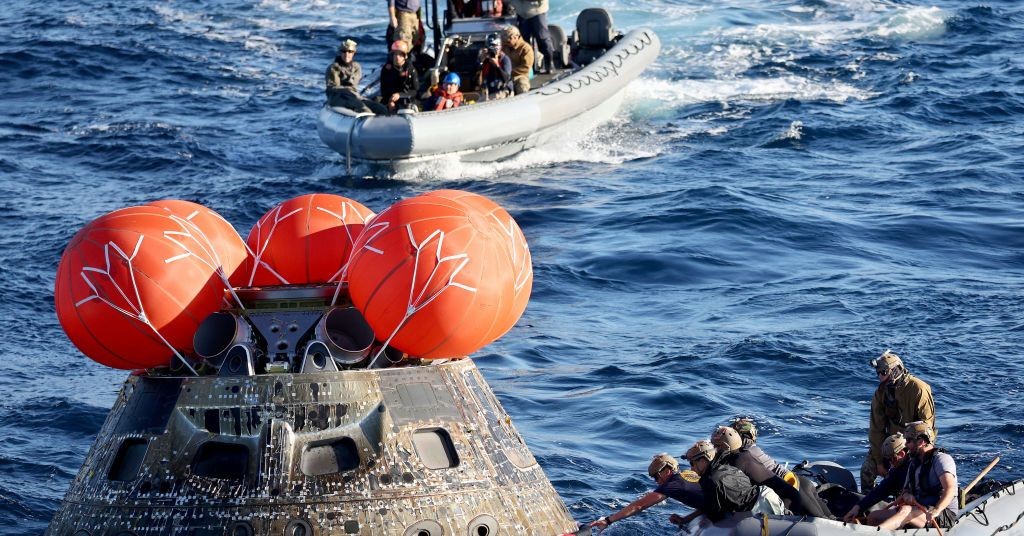
The Artemis II mission marks a pivotal turning point in human spaceflight. While the crew will not land on the lunar surface during this mission, their journey represents the first time humans will venture into deep space to orbit the Moon, testing the systems and endurance required for a permanent human presence on the lunar surface.
A Record-Breaking Journey to the Far Side
Beginning April 1, a crew of four astronauts will embark on a trajectory that pushes the boundaries of human exploration. The mission is designed to take the crew approximately 10,300 kilometers beyond the Moon, setting a new record for the furthest distance humans have ever traveled from Earth.
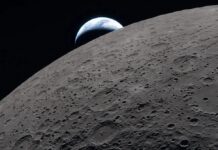
The mission’s primary objective is a lunar flyby. As the capsule orbits the far side of the Moon—roughly 7,000 km from the surface—the crew will capture unprecedented imagery and conduct critical tests of life-support systems. This “flyby” is not merely a sightseeing tour; it is a high-stakes engineering trial to ensure that future missions, which will include lunar landings, are safe and sustainable.
Breaking Barriers in the Crew
The Artemis II crew is a symbol of modern, inclusive exploration. The team includes:
– The first woman to travel toward the lunar environment.
– The first Black person to embark on a deep-space mission.
– The first non-American astronaut to participate in the lunar journey.
By diversifying the crew, NASA is reflecting a broader global interest in space exploration and setting the stage for international cooperation in future lunar colonies.
The Reality of Deep Space: Technical and Human Challenges
Operating far from Earth introduces unpredictable variables that even the most advanced technology struggles to manage. The mission has already highlighted the friction between cutting-edge engineering and everyday operational hurdles:
- System Testing: The crew is actively troubleshooting hardware, including attempts to repair onboard sanitation systems (the “toilet problem”), which is vital for long-duration missions.
- Digital Vulnerabilities: Even in deep space, astronauts face terrestrial-style tech issues. The mission commander recently experienced failures with Microsoft Outlook, a reminder that software stability remains a critical vulnerability in mission control and crew communications.
- Scientific Potential: Beyond the technical hurdles, Artemis II aims to shed light on the Moon’s mysteries. Far from being a “barren rock,” the Moon holds scientific data that could redefine our understanding of the solar system’s history.
The Broader Context: Space as a Strategic Frontier
The success of Artemis II must be viewed against a backdrop of increasing tension in the “orbital theater.” As humanity looks toward the Moon, the infrastructure supporting space travel—such as satellite data and GPS—is becoming increasingly contested.
Recent trends indicate that satellite technology is being leveraged as a tool of modern warfare. From the disruption of GPS software in military contexts to the “spoofing” of satellite data in conflict zones like the Gulf, the space domain is no longer just a scientific playground; it is a critical, and often vulnerable, piece of global security infrastructure.
The Artemis II mission is more than a flight; it is a stress test for the technology, the people, and the political frameworks that will govern the next era of human expansion into the cosmos.
Conclusion
Artemis II serves as a bridge between Earth-orbit operations and true deep-space exploration. By testing human endurance and technical reliability on a lunar flyby, NASA is laying the essential groundwork for the next generation of lunar landings and long-term space habitation.