
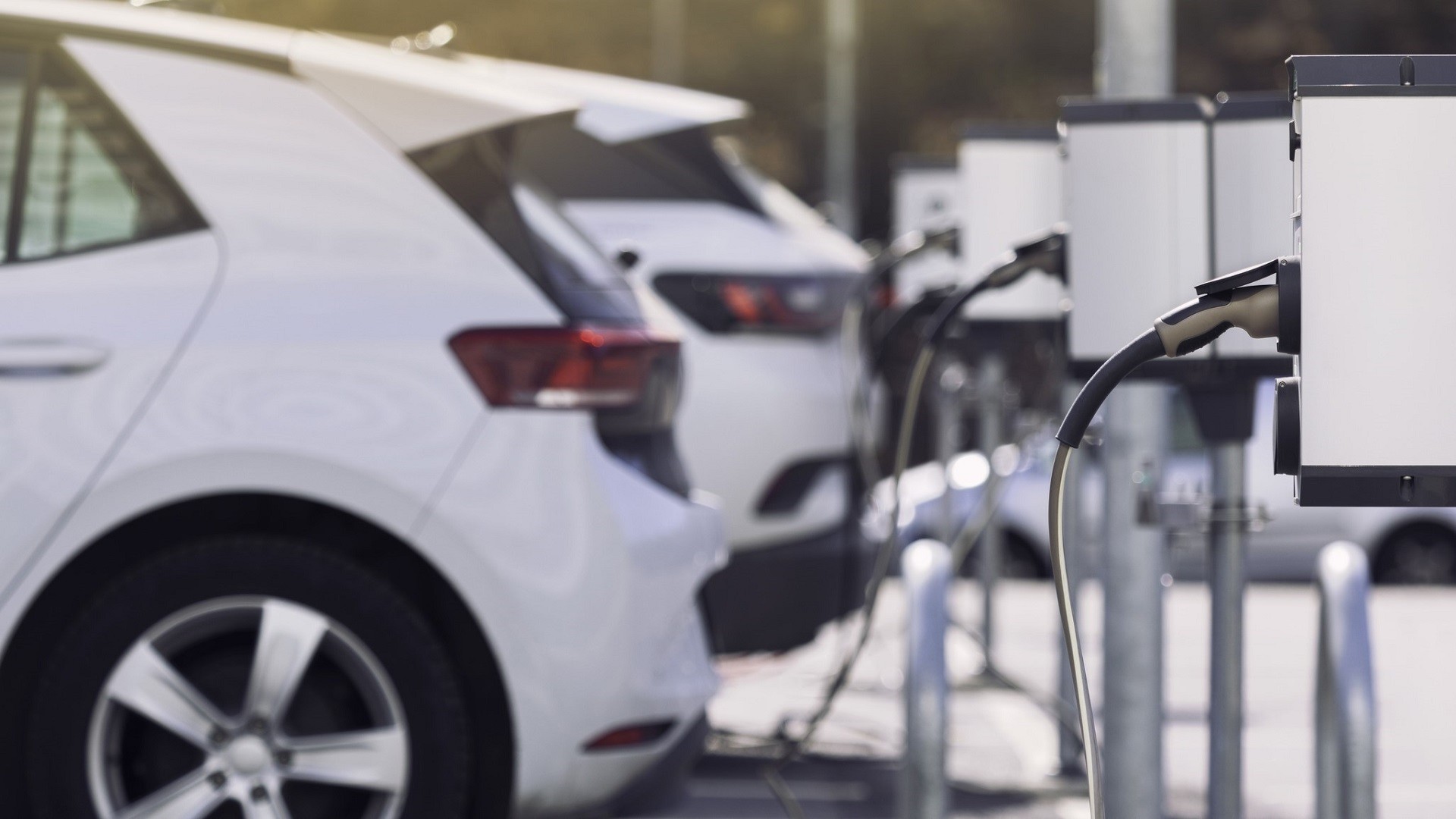
For decades, Alan Gelfand, owner of German Car Depot, has seen firsthand what makes a vehicle reliable—and expensive. He’s not convinced electric vehicles (EVs) are there yet. While EVs gain traction, Gelfand outlines critical drawbacks that keep him firmly in the world of internal combustion engines. These aren’t just preferences—they’re practical concerns about cost, maintenance, and long-term reliability.
The High Cost of Battery Replacement
The single biggest risk with EVs, according to Gelfand, is the battery. Unlike gasoline cars that can run for hundreds of thousands of miles with proper maintenance, EV batteries degrade over time. A full replacement can easily cost $12,000 to $20,000—a sum that rivals the down payment on a new vehicle. Data from Geotab estimates batteries last 15 to 20 years, but they lose roughly 1.8% capacity annually. This means a significant drop in range over just a few years, followed by a massive expense when the battery finally fails.
Limited Repair Access
EVs are notoriously difficult for independent mechanics to service. Manufacturers restrict access to diagnostic software and parts, forcing owners to rely almost exclusively on dealerships. This limits repair options, increases wait times, and drives up costs. Gelfand points out that this eliminates a key advantage of gasoline cars—the freedom to choose an affordable, independent mechanic.
The Myth of Maintenance-Free Ownership
Many assume EVs require minimal upkeep, but that’s misleading. They still need regular brake checks, tire rotations, suspension repairs, and coolant maintenance. In fact, EV tires wear down twice as fast due to heavier batteries and noise-reducing designs, meaning more frequent and costly replacements.
Climate-Related Battery Degradation
Battery life is also significantly affected by climate. In hot regions like Florida, batteries degrade faster, shortening their lifespan and increasing the likelihood of premature replacement. This is a factor often overlooked by potential buyers.
What Would Change His Mind?
Gelfand isn’t opposed to EVs in principle, but he wants to see fundamental improvements. He’d reconsider if battery technology advanced to deliver 300,000 miles of reliable life at an affordable replacement cost. He also wants manufacturers to open up repair data so independent mechanics can service EVs without being locked out by proprietary software.
These aren’t just concerns for a single mechanic. They highlight the hidden costs and practical limitations that many EV buyers don’t fully consider. Until these issues are addressed, Gelfand remains skeptical