






















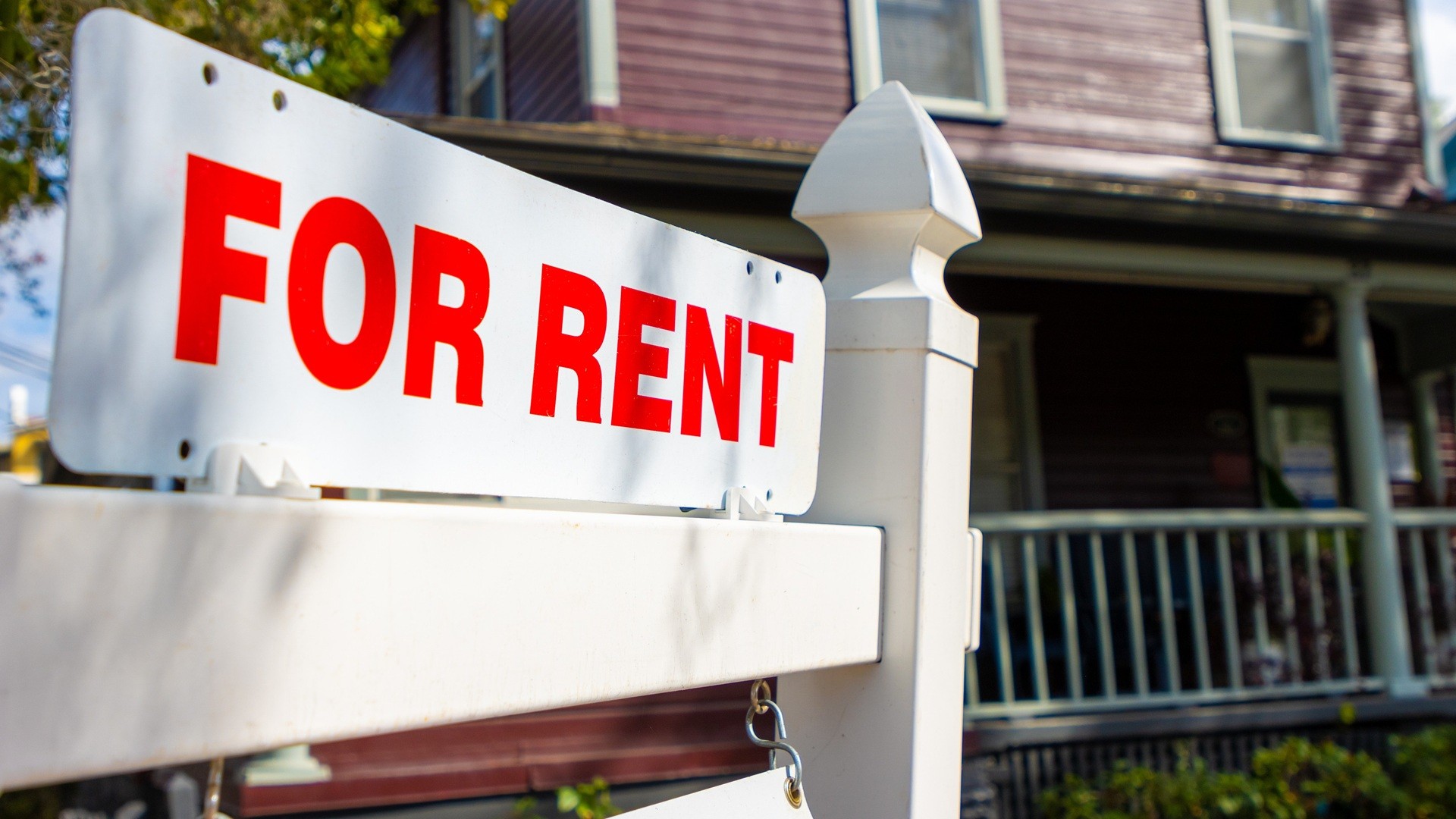
Millions of homeowners consider renting out their properties to supplement income or build equity. However, turning a primary residence into a rental can trigger unexpected tax consequences that significantly reduce potential profits. This article explains two key IRS rules that impact homeowners renting out their properties, focusing on depreciation recapture and the loss of capital gains exclusions.
Depreciation Recapture: A Delayed Tax Bill
The IRS allows homeowners to deduct the cost of a rental property’s structure (excluding land) over 27.5 years through depreciation. This lowers taxable rental income, creating immediate tax savings. For example, a $275,000 structure can yield $10,000 in annual deductions. However, when the property is sold, the IRS recaptures this depreciation, taxing it at a flat 25% rate. If $100,000 in depreciation was claimed over ten years, a $25,000 tax bill will be due upon sale. This recapture is unavoidable, even if the homeowner never actually claimed the full deduction.
Why this matters: Depreciation is a useful tool to reduce taxes in the short term, but it creates a deferred tax liability that must be paid when the property is sold. Many investors don’t fully account for this when calculating long-term returns.
Losing the Capital Gains Exclusion
Homeowners can exclude up to $250,000 (single filer) or $500,000 (married filing jointly) in capital gains from the sale of a primary residence. However, this benefit is lost if the property is used as a rental. The IRS requires occupancy for at least two of the five years before sale to qualify.
A common misconception is that moving back into the property for two years after renting restores the exclusion. While residency periods count toward the exclusion, rental periods do not. For instance, if a homeowner lives in a property for five years, rents it for three, and then moves back in for two, only 70% of the profit qualifies for the exclusion. The remaining 30% is subject to capital gains tax.
Why this matters: Capital gains taxes can significantly reduce net profits, especially in high-value real estate markets. Many homeowners underestimate how much of their gains will be taxable if they rent out their property for an extended period.
The Big Picture
Renting out a home is not always a bad financial decision. The benefits of depreciation and rental income may still outweigh the tax implications, but homeowners must understand the rules.
“Tax law is complicated, particularly when it comes to rental versus personal use of property.”
Consulting with a CPA is crucial before converting a primary residence into a rental. A professional can help you calculate the full tax impact and ensure you’re making an informed decision.
Ultimately, while renting can be profitable, ignoring the IRS rules can cut significantly into your returns. Careful planning and expert advice are key to maximizing financial outcomes.