
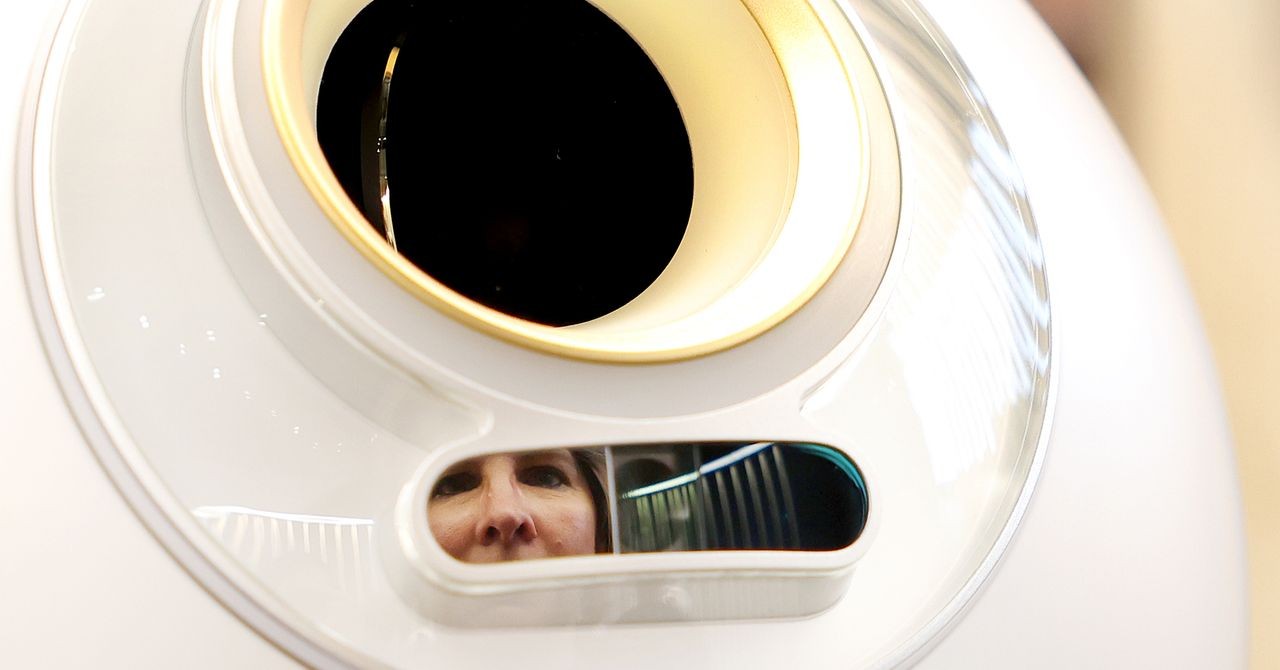
In an era where artificial intelligence can increasingly mimic human behavior, distinguishing a real person from a sophisticated bot has become a digital necessity. To tackle this, World —the identity project co-founded by OpenAI CEO Sam Altman—is moving beyond niche testing and into the mainstream.
At a recent “Lift Off” event in San Francisco, the company announced a major global expansion of its biometric verification services, most notably through a new partnership with the dating app Tinder.
The Tinder Integration: A Digital Badge for Humanity
Following a successful pilot program in Japan, Tinder users worldwide can now opt to display a digital badge on their profiles. To earn this badge, users must scan their irises using one of World’s signature “Orbs”—glossy, white hardware devices designed to capture unique biometric data.
To incentivize adoption, World is offering Tinder users who verify their identity with five free “boosts,” a premium feature that significantly increases profile visibility. This move represents a massive bet by World: that everyday consumers will be willing to trade biometric data for enhanced security and social credibility on popular apps.
Expanding the Ecosystem: From Zoom to Concert Tickets
The Tinder deal is just one piece of a broader push to integrate World ID into the fabric of digital life. The company revealed several new enterprise partnerships aimed at different sectors:
- Communication: Zoom now allows users to require identity verification before participants can join a video call, adding a layer of security to digital meetings.
- Legal & Professional: DocuSign will integrate World’s technology to verify identities during the contract-signing process.
- Entertainment: To combat the epidemic of bot-driven ticket scalping, World is launching Concert Kit. This tool allows artists to reserve tickets specifically for verified humans. The feature will be tested during the upcoming Bruno Mars World Tour.
The Mission: Identity in the Age of AI Agents
Founded in 2019 by Sam Altman and Alex Blania, World (formerly known as Worldcoin) was built to solve a looming crisis: an internet overrun by highly capable AI agents. As companies like OpenAI and Anthropic advance the capabilities of AI, the line between human and machine becomes increasingly blurred.
How it works:
After an iris scan via an Orb, the system creates a unique, decentralized cryptographic key known as a World ID. This allows users to prove they are human without having to upload sensitive government IDs to various websites, theoretically offering a higher level of privacy.
Interestingly, World is not trying to ban AI entirely. Instead, they are developing tools to allow “human-backed agents”—AI that operates under a person’s verified digital identity—to interact with platforms like Shopify and Vercel.
Challenges: Privacy, Regulation, and Adoption
Despite its ambitious goals, World faces significant headwinds. The company has struggled with mainstream adoption and has met fierce resistance from global regulators.
- Regulatory Hurdles: Governments in Kenya, Spain, and Portugal have previously paused World’s operations to investigate data protection concerns. While some restrictions have been lifted, countries like Brazil maintain long-term bans.
- The Trust Gap: Tiago Sada, Chief Product Officer at Tools for Humanity (the company behind World), acknowledges that the technology is difficult for the public to grasp. He compares the current skepticism to the early days of Apple’s Face ID, suggesting that society simply needs time to adjust to this new paradigm of privacy.
“The idea that World ID is not just private, but it’s one of the most private things you’ve ever used, that’s not obvious,” says Sada.
Conclusion
World is attempting to build the foundational identity layer for a future dominated by AI. While its expansion into platforms like Tinder and Zoom marks a significant step toward mainstream utility, the company’s ultimate success depends on overcoming deep-seated regulatory skepticism and winning the public’s trust in biometric security.