
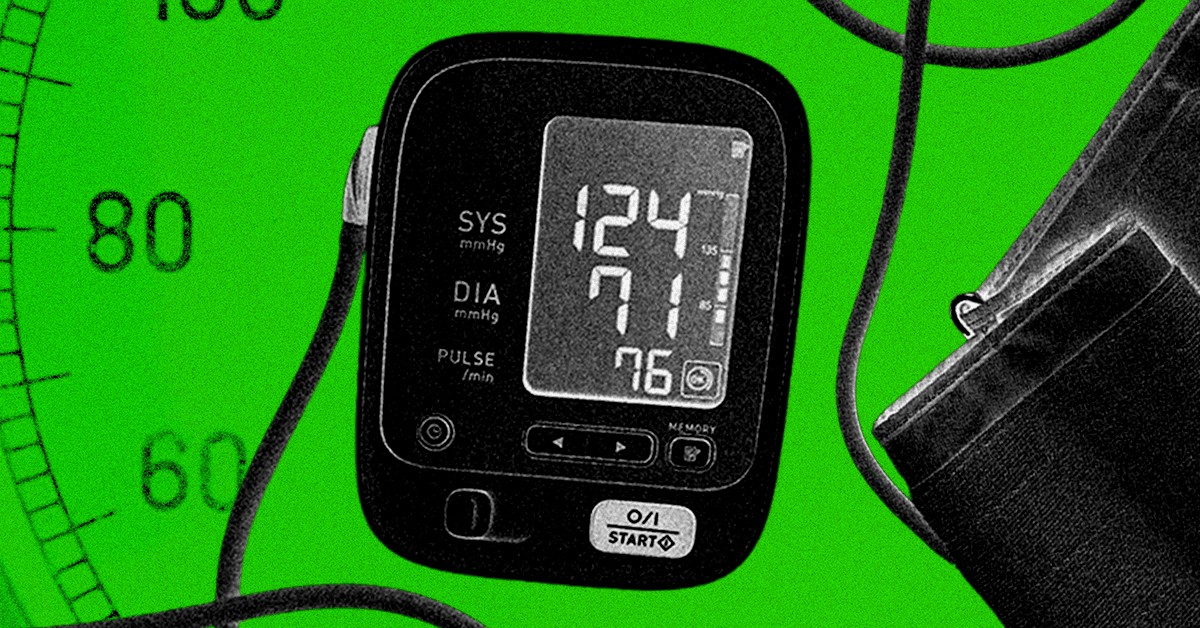
Hypertension, or high blood pressure, affects roughly a third of adults worldwide, but many remain undiagnosed. The good news is that home monitoring has become easier and more accurate than ever, with potential to save millions of lives through early detection and lifestyle adjustments. The key is choosing the right tool for your needs, from traditional cuffs to cutting-edge wearables.
Traditional Cuff Monitors: Withings BPM Vision
For medical-grade precision, the Withings BPM Vision ($180) remains a top pick. Unlike older models where the electronics were in the cuff itself, this tabletop unit simplifies use and improves accuracy. It’s FDA-cleared, meeting standards set by organizations like the American Heart Association. The device syncs with major health apps (Apple Health, Samsung Health) and allows for guest profiles, making it ideal for families. The BPM Vision’s ability to take multiple readings consecutively helps avoid falsely high results caused by initial stress.
Cuffless Monitoring: The Future of BP Tracking
Recent advancements have introduced cuffless blood pressure monitoring, offering continuous, 24/7 data without the discomfort of traditional cuffs. Aktiia Hilo is a standout, FDA-cleared after extensive clinical testing. This wrist-worn band measures blood pressure using optical sensors, similar to those in fitness trackers, but calibrated for accuracy. Its key advantage is tracking BP while you sleep—a critical indicator of cardiovascular health, as consistently elevated pressure at night can signal underlying heart disease. The Hilo will be available in the US later this year, after successful launches in Europe, Canada, Australia, and New Zealand.
Smartwatches: Apple Watch Series 11 and Hypertension Notifications
Apple’s Series 11 smartwatch now includes hypertension notifications, making it a mainstream tool for early detection. The feature, FDA-cleared in 2025, analyzes 30 days of heart rate data to estimate your risk, though Apple explicitly states it shouldn’t replace traditional diagnoses. While not as accurate as a cuffed method, the Apple Watch’s widespread use means more people will become aware of their blood pressure. It requires users to be over 22, not pregnant, and without a previous diagnosis.
Value Option: iHealth Ease
For a budget-friendly but accurate option, the iHealth Ease turns your smartphone into a blood pressure monitor. It uses Bluetooth to sync with a free app, providing readings that meet ESH-10 accuracy standards. While slower than some competitors, it offers a reliable and affordable way to monitor your health. The Omron Evolv is another good alternative, though it requires the app to be running during measurements.
The Wild Card: Whoop MG and FDA Warnings
The Whoop MG offered blood pressure monitoring as a beta feature in 2024, but ultimately did not pursue FDA clearance. The FDA sent a warning letter for marketing the feature without approval. While Whoop stands by its technology, opting for clearance is crucial for credibility and legal compliance, which is why Aktiia and Apple took the necessary steps.
In conclusion, home blood pressure monitoring is evolving rapidly. Whether you prefer a traditional cuff, a cuffless wearable, or an integrated smartwatch feature, the key is consistency and accuracy. Early detection and continuous tracking can empower individuals to take control of their health, potentially saving lives and improving long-term cardiovascular well-being.