
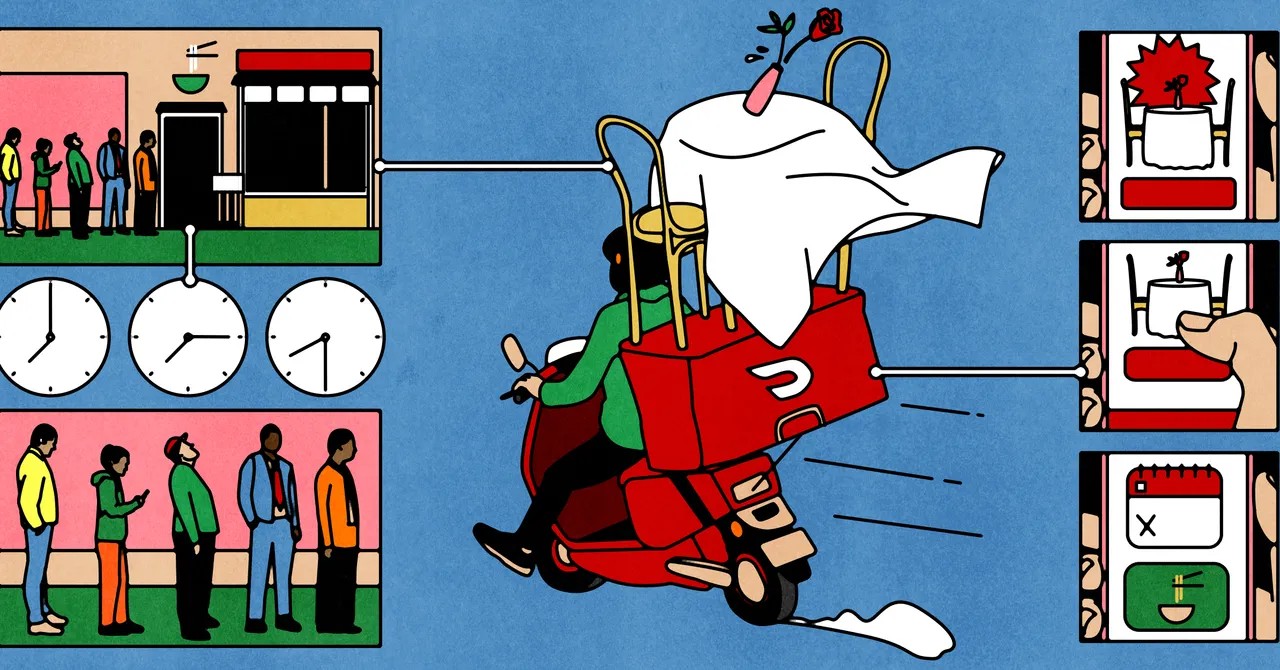
DoorDash, once known for delivering burritos, is now locking down reservations at the nation’s most exclusive dining spots. The company’s aggressive move into the hospitality industry, fueled by its acquisition of SevenRooms, is reshaping how diners access coveted tables at high-end restaurants like The Eighty-Six in Manhattan, where reservations are notoriously difficult to secure.
The New Gatekeepers of Exclusivity
For years, obtaining a seat at elite restaurants involved luck, persistence, or navigating a gray market of scalpers. Now, DoorDash is positioning itself as the primary keyholder. The company isn’t just offering delivery; it’s leveraging access to the most desirable tables as a perk for its app users. Restaurants such as Or’esh and The Corner Store in New York, as well as Michelin-recognized Cotoa in Miami, are reserving seats exclusively through DoorDash.
This shift isn’t accidental. DoorDash CEO Tony Xu has openly stated the strategy: becoming an “everything app” for restaurants, capitalizing on the growing scarcity of premium dining experiences. The company is already locking down deals with over 200 Manhattan restaurants, offering exclusive access to DashPass members.
The Rise of Reservation Wars
The move comes at a critical time. The post-pandemic dining landscape, coupled with rising wealth inequality, has created a reservation frenzy. Cities like New York have outlawed scalping, but the underlying demand remains. DoorDash is filling this void by turning reservations into a loyalty program, incentivizing customers with credits and exclusive access.
The company is even paying DashPass members to book through the app. A WIRED colleague reported receiving $10 in dining credits for each reservation, effectively rewarding loyalty with cash. This aggressive strategy appears to be working, as diners flock to the app to secure otherwise unavailable tables.
Data and Control
Beyond access, DoorDash is gaining valuable data on diner habits. Through SevenRooms, the company tracks preferences, tipping behavior, and even no-show rates. Resy CEO Pablo Rivera has openly touted this data collection as a benefit to diners, suggesting servers will anticipate needs before being asked. This level of granular tracking raises questions about privacy and the future of personalized dining.
The strategy is clear: DoorDash isn’t just delivering food; it’s controlling the entire dining experience, from reservation to service. The company’s rapid expansion into 13 major US cities signals a long-term play for dominance in the hospitality sector.
In essence, DoorDash is proving that when demand is high and exclusivity reigns, the biggest winner isn’t necessarily the restaurant—it’s the platform that controls the door.