
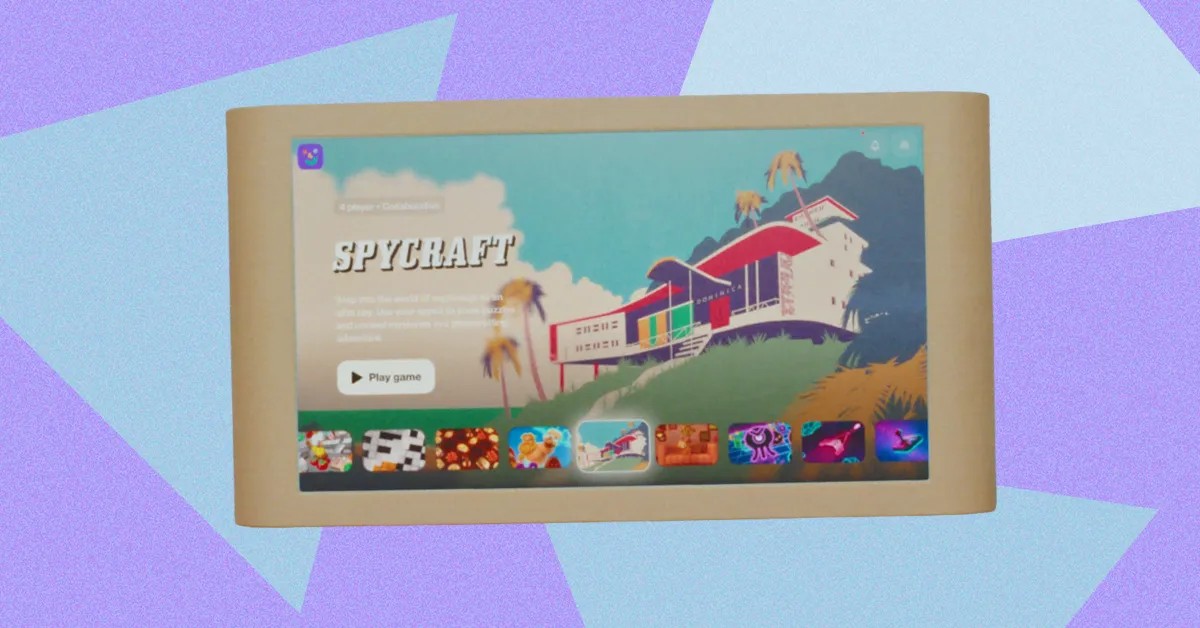
A new device called “Board” is attempting to bridge the gap between digital and physical gaming, offering a 24-inch touchscreen tabletop console paired with physical game pieces. The concept is simple: family and friends gather around a table to play video games using tactile elements. But at a price of $700, the question is whether this novel experience justifies the hefty investment.
A Physical-Digital Hybrid
Board isn’t just a large tablet; it’s a bulky, wall-powered device with a curved, wood-effect magnetic frame and built-in speakers. The design encourages communal play, but its size and wired connection create practical drawbacks – including a documented tripping hazard during testing. Each game comes with physical plastic pieces in ziplock bags, adding a tactile dimension to otherwise digital gameplay.
The device launches with 12 free games spanning genres from arcade shooters to strategy puzzles. While the selection is varied, many titles feel like prototypes rather than polished releases. The most enjoyable experience came from Chop Chop, a physical take on the frantic co-op game Overcooked, where players manipulate tiny plastic utensils to fulfill orders. Another standout is Save the Bloogs, an updated take on Lemmings where players use physical pieces to guide characters through treacherous levels.
The Content Question
The long-term viability of Board hinges on its game library. The company promises at least 10 new titles by 2026, but pricing and release schedules remain unclear. The lack of a subscription model is a plus, but the cost of future content could quickly inflate the overall investment. Some promising titles, like the spy-themed Spycraft and strategy game Thrasos, are currently listed as “coming soon.”
The quality of launch titles varies. Some games, like the sushi-themed Omakase, offer unique experiences, but many rely on familiar mechanics. The developers have also hinted at future SDK access and potential for user-created content, but this remains speculative.
Reception and Concerns
Initial reactions to Board have been mixed. Younger children (6–10) are likely to enjoy the tactile interaction, but older gamers may find the experience underwhelming. The device is large and cumbersome, making storage a challenge. Durability is also a concern; the physical nature of some games could lead to rough handling, especially by younger players.
While Board lacks online multiplayer, the developers state that the touch controller on the hardware is the main reason. The console’s ability to handle multiple fingers and pieces simultaneously is superior to many tablets.
A Gamble on the Future
Board fills a niche that few products currently occupy. Arcade1Up’s Infinity Game Table (now discontinued) offered similar digital board games, while Osmo’s kits combine physical pieces with tablets. Board’s success will depend on its ability to attract third-party developers and build a robust game library. At $700, it’s a risky purchase for consumers, but the potential for a unique gaming experience is undeniable.
Whether Board will become a lasting platform remains to be seen. Its success hinges on the quantity and quality of future content, as well as its ability to capture a dedicated audience.