
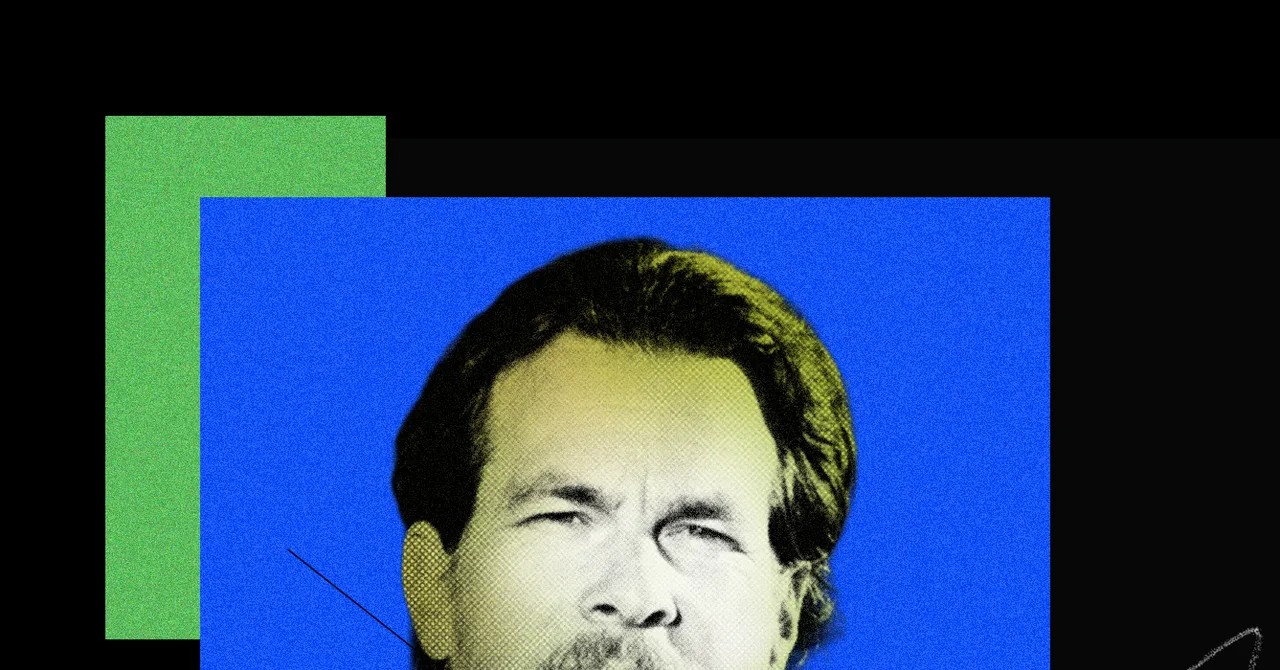
Filmmaker Jonathan Nolan, known for his work on Interstellar, The Dark Knight trilogy, Westworld, and Fallout, has long been fascinated by the intersection of technology and storytelling. His early series, Person of Interest, foreshadowed many of the surveillance and AI concerns we face today. Now, with Fallout entering its second season, Nolan reflects on the current “frothy moment” around artificial intelligence, offering a pragmatic take on its impact on creativity and the future of media.
The Prescience of Person of Interest
Nolan’s interest in tech-driven narratives isn’t new. Person of Interest, created in 2011, explored the idea of a surveillance system designed to predict and prevent crime. This fictional premise now feels unnervingly relevant, as real-world AI tools are increasingly used for predictive policing and mass data analysis. He recalls wrestling with the ethical implications of such technologies even then, asking questions about trust in authority and the potential for abuse.
AI as a Tool, Not a Replacement
Despite these concerns, Nolan doesn’t believe AI will replace human filmmakers. Instead, he suggests it could lower barriers to entry for aspiring directors. He himself remains skeptical, stating he will never use AI in his own writing. This stance highlights a broader debate within the industry: whether AI is a threat to creative jobs or simply another tool in the filmmaker’s toolkit.
The Retrofuturism of Fallout and a Nostalgia for Physicality
Fallout, based on the popular video game series, offers a darkly humorous take on post-apocalyptic survival. The show’s 1950s-era retrofuturism reflects a broader cultural trend of looking back at simpler times—a longing for tangible experiences in an increasingly digital world. Nolan himself expresses a similar sentiment, lamenting the homogenization of modern technology. He misses the diversity of design in older devices, comparing the current smartphone landscape to a “banal, incredibly functional [object]” lacking individuality.
The Allure of Classic Cars and the Disappearance of Choice
Nolan’s fascination extends to classic cars, which he actively searches for using an app called Bring a Trailer. This hobby represents a desire for tangible, mechanical complexity in a world dominated by digital uniformity. His point is that while electric vehicles are great, the rapid standardization of modern cars mirrors the loss of diversity in technology.
The Hardest Part of Storytelling: Pilots vs. Endings
When asked about the most challenging aspect of writing, Nolan argues that crafting a compelling pilot is harder than a satisfying ending. A strong ending provides closure, but a beginning must hook the audience without revealing too much. He describes the experience as strategically selecting the most effective elements from a vast pool of ideas, a process he finds particularly frustrating compared to filmmaking, where choices are more constrained.
The Simulation Paradox: Intimacy and Loss
If forced to live in a digital simulation, Nolan would choose a version of his current reality with young children, valuing the intense connection and dependence of early childhood. This dark humor underscores a deeper fear of loss and the desire to preserve fleeting moments.
AI’s True Potential: The Coming Inflection Point
Nolan believes we are on the cusp of a significant shift in AI development, though he remains skeptical about the hype. He acknowledges the potential for truly conscious AI but suggests that many current tools are simply advanced search engines with clever marketing.
“There’ve been so many false starts with AI over a hundred years… these moments where it’s like, ‘here it comes,’ and everyone kind of braces for it, and we have a lot of conversations like this, and then a couple of years later it peters out a little bit.”
Nolan’s perspective is grounded in years of exploring these themes in his work. He emphasizes the cyclical nature of AI hype, suggesting that the current wave may be no different. However, he also recognizes the possibility of a genuine breakthrough that could fundamentally alter our relationship with technology.
Ultimately, Nolan sees storytelling as the most relevant field to engage with AI, as it forces us to confront the ethical and existential questions that these tools raise. His work consistently challenges us to think critically about the future we are building, one narrative at a time.