
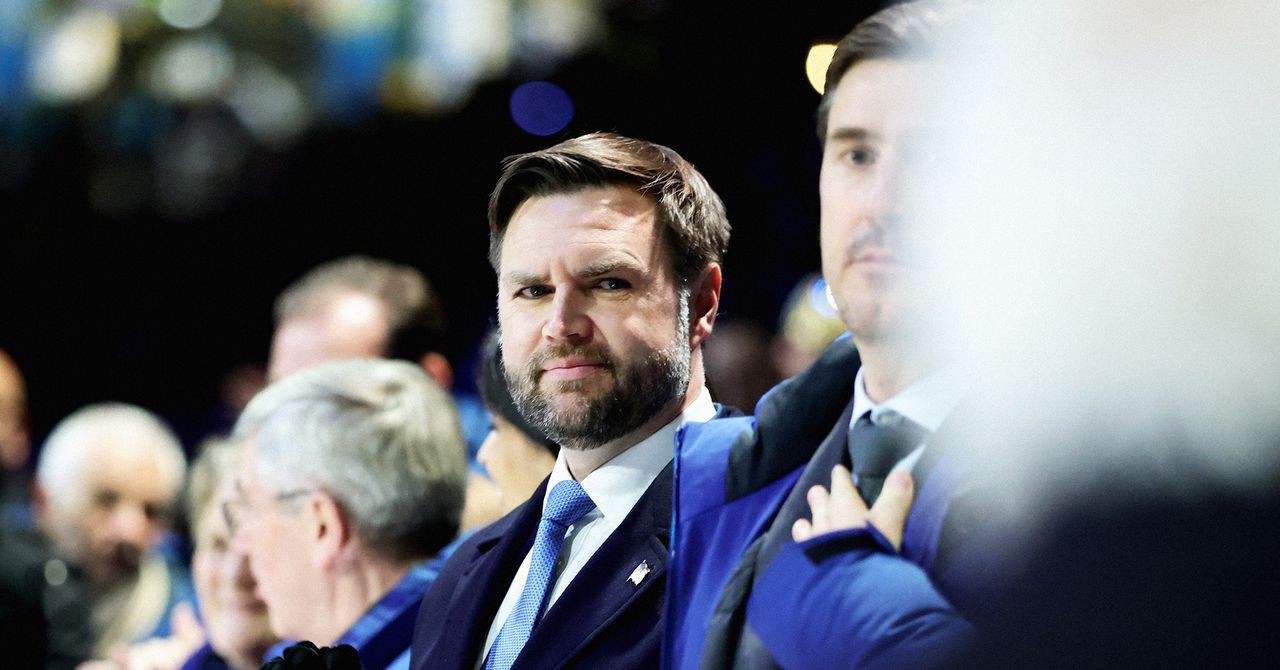
The 2026 Winter Olympics in Milano Cortina were marked by an unusual level of political friction, illustrating a growing trend: the modern Games are no longer escapist spectacles, but arenas where national and ideological conflicts play out in real-time. From jeers directed at Vice President JD Vance at the opening ceremony to athletes openly questioning their representation of the United States under the Trump administration, the event underscored a simple truth: the separation of sports and politics is a myth.
Athletes Speak Out Amidst Controversy
Several US athletes expressed unease over competing for a nation embroiled in domestic turmoil, particularly concerning ICE’s actions and the administration’s policies toward immigrants and the LGBTQ+ community. Freestyle skier Hunter Hess bluntly stated his discomfort, clarifying that “just ’cause I’m wearing the flag doesn’t mean I represent everything that’s going on in the US.” Figure skater Amber Glenn echoed this sentiment, framing the current climate as a catalyst for unity among marginalized groups.
These statements triggered immediate backlash from President Trump, who labeled Hess a “Loser” on Truth Social, while Glenn received a flood of threats, forcing her to step back from social media. This response highlights a broader dynamic: athletes who deviate from expected nationalistic fervor face direct political consequences.
A Growing Trend: Athletes as Activists
This isn’t an isolated incident. The 2026 Games mirrored tensions seen at the 2024 Paris Summer Games, where Algerian boxer Imane Khelif became a flashpoint in debates over transgender athletes, despite not identifying as transgender herself. The pattern dates back further, to the 1968 Mexico City Olympics, where Tommie Smith and John Carlos used the medal stand to protest racial injustice.
The increasing willingness of athletes to politicize their platforms reflects a broader cultural shift. As media and popular culture professor Simone Driessen notes, “athletes speaking up about their beliefs is to be expected.” Celebrities, including musicians like Taylor Swift, have become openly political, setting a precedent for athletes with comparable visibility. This trend is exacerbated by social media, which amplifies both support and condemnation.
The Illusion of Apolitical Sport
The idea that the Olympics should be “apolitical” is increasingly untenable. As figure skater Adam Rippon points out, “it’s impossible to believe that politics aren’t intertwined into everything that we do.” The current political climate, particularly under the Trump administration, has made speaking out more dangerous but also more crucial. Athletes now risk real repercussions for dissenting, yet their voices offer a counter-narrative to official messaging.
This shift isn’t about injecting politics into the Games – it’s about acknowledging that politics were always present. The illusion of neutrality has shattered, and athletes are now openly challenging the expectation that representing a country equates to endorsing its policies. The Olympics, whether intentionally or not, have become a mirror reflecting the real-world struggles and divisions of nations.
In conclusion, the 2026 Winter Games were not just a sporting event; they were a cultural and political battleground. The willingness of athletes to speak out, despite facing backlash, underscores the inescapable truth that sports, like all aspects of modern life, are deeply embedded in political realities.