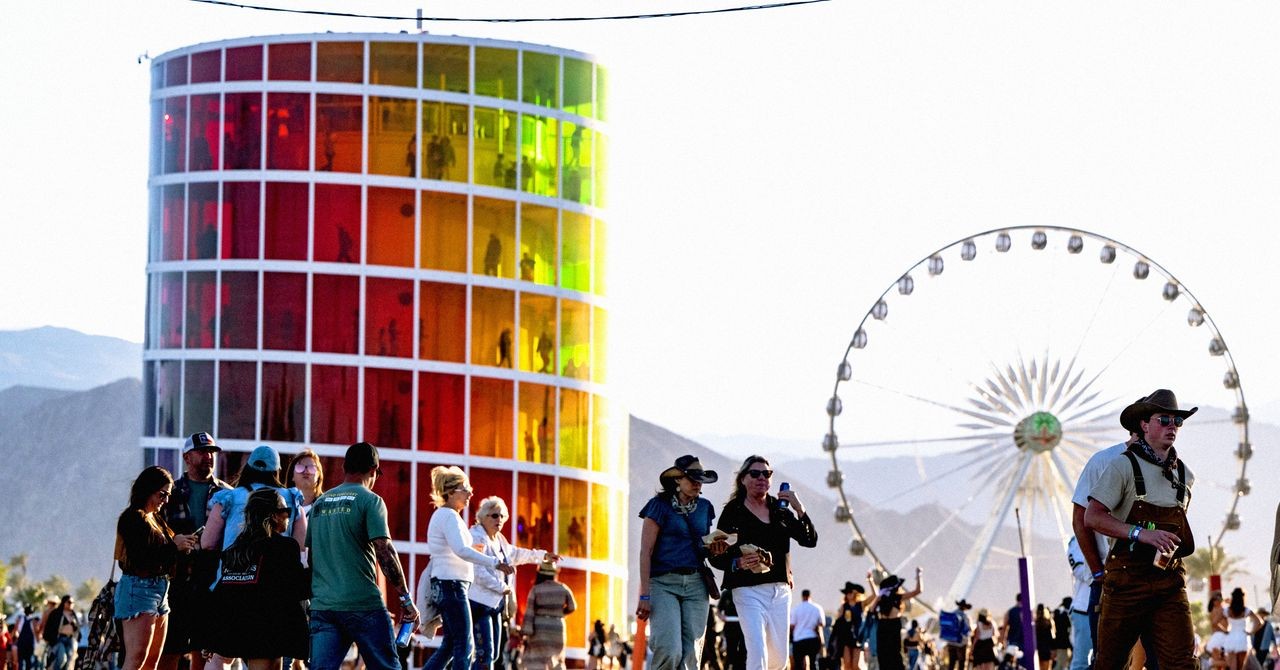
While Coachella remains a global cultural phenomenon, the barrier to entry—high ticket prices, travel costs, and the physical toll of the desert—keeps many fans at a distance. This year, the festival leaned into a digital solution: a revamped, vertical-only livestream designed specifically for the mobile era.
By focusing on a format optimized for smartphones, Coachella is attempting to bridge the gap between the physical event and the digital spectator. But does this “mobile-first” approach actually satisfy the craving for live music, or does it simply intensify the feeling of missing out?
The Rise of Vertical Content
The shift toward vertical video is not an isolated trend; it is a fundamental change in how media is consumed. From TikTok and YouTube Shorts to Disney+’s “Verts” and Bravo’s AI-driven snippets, the industry is moving toward short, scrollable, portrait-oriented content.
In the context of Coachella, this serves two purposes:
– Accessibility: It mirrors how users naturally hold their phones.
– Psychological Proximity: By using devices like the Google Pixel to film close-up, vertical shots, the livestream creates an illusion of intimacy. It places the viewer “in the booth” with the DJ, mimicking the perspective of a VIP or an influencer.
The “Couchella” Experience: Pros and Cons
Watching a festival through a smartphone screen offers a unique set of advantages and frustrations that differ significantly from being on the ground in the Colorado Desert.
The Advantages of Remote Viewing
- Comfort and Convenience: Unlike the physical festival, “Couchella” allows for basic human necessities. Viewers can access real bathrooms, eat proper meals, sleep in real beds, and avoid the grueling logistics of desert traffic.
- Multiview Capability: High-quality 4K streams and the ability to swap between stages provide a level of control a physical attendee lacks.
- Community Engagement: Despite the format, the digital community is highly active. Live chats and emoji reactions provide a sense of shared energy, often surpassing the engagement levels of traditional horizontal broadcasts.
The Limitations of the Format
- Loss of Scale: Much of the visual “gravitas” of a festival comes from massive, horizontal stage screens and sweeping crowd shots. Vertical cropping clips these elements out, reducing a grand spectacle to a narrow window.
- The FOMO Paradox: While the stream provides access, it also acts as a constant reminder of what is being missed. Seeing influencers and crowds partying in high definition can trigger intense FOMO (Fear Of Missing Out), making the viewer feel more isolated than if they weren’t watching at all.
- Technical Friction: The mobile experience is prone to accidental swipes, app crashes, and the inherent difficulty of navigating a continuous stream on a small interface.
Analysis: A Digital Proxy for Reality
The experiment highlights a growing tension in modern entertainment: the difference between access and experience.
Coachella’s vertical feed is highly successful as a marketing tool. It creates a “snackable” version of the festival that is easy to consume and share, fueling the brand’s allure. However, it cannot replicate the sensory overload—the dust, the heat, the social chaos—that defines the actual event.
The popularity of the vertical stream suggests that audiences are increasingly willing to accept a “compressed” version of reality in exchange for convenience. Yet, as the experiment proves, watching a festival through a five-inch screen is less a replacement for the real thing and more a highly polished, digital shadow of it.
Conclusion: Vertical livestreams are a powerful tool for accessibility and engagement, but they function more as a digital teaser than a true substitute for the visceral, messy, and overwhelming reality of a live music festival.