
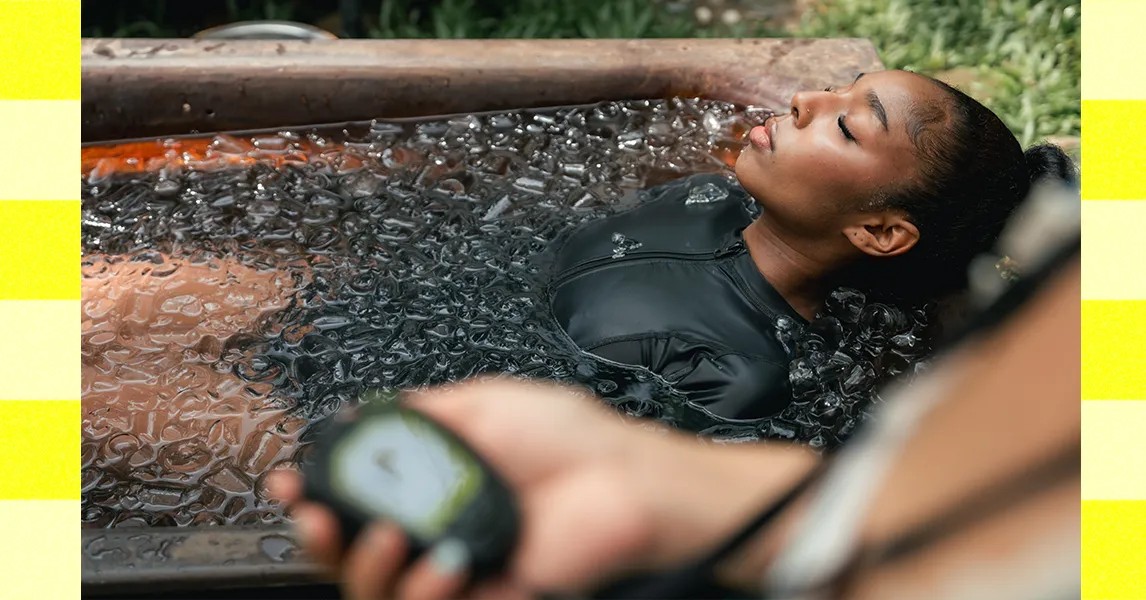
The cold plunge—whether in an ice bath, frigid lake, or gym’s cold therapy area—is gaining popularity for its reported health benefits, from muscle recovery to mental clarity. But simply enduring the chill isn’t enough. How long you stay in matters significantly, and experts say it depends on your experience, body composition, and goals.
The Science Behind the Plunge
Cold water immersion triggers a stress response, releasing adrenaline and other hormones. These catecholamines are believed to improve circulation, reduce inflammation, and boost mood. However, the body adapts over time, requiring progressive exposure to continue reaping rewards. This means beginners should start slow, while seasoned cold plungers can push their limits.
Finding Your Sweet Spot
The ideal duration varies. For those new to cold plunging, starting with 30-second cold showers and gradually increasing to two minutes can build tolerance. Once comfortable, a one- to two-minute cold bath at around 50°F (10°C) is a good starting point. Experienced enthusiasts like Dan Bosomworth, founder of Brass Monkeys, recommend two to three minutes at 37.4–41°F (3–5°C) for a more intense challenge.
However, intensity isn’t everything. Bosomworth emphasizes that consistency is key. Research suggests aiming for approximately 11 minutes of total cold exposure per week to stimulate brown fat activation, a process linked to metabolic benefits. This can be broken down into daily 90-second sessions or longer dips a few times weekly.
Mental Resilience and “Counting Walls”
Beyond physical effects, cold plunging can train mental fortitude. Dr. Andrew Huberman popularized the concept of “counting walls” : instead of timing, focus on how many surges of adrenaline you overcome. Each wave of discomfort is a “wall,” and pushing through three to four walls per session can personalize the practice. On some days, you might hit a wall immediately; on others, it may take longer.
Temperature Matters Too
While some seek near-freezing temperatures, experts say that significant benefits can be achieved at milder levels. Ralph Montague of The Longevity Clinic notes that temperatures between 50–59°F (10–15°C) are ideal for beginners building tolerance. Investing in a thermometer ensures accurate control, especially if using an inflatable ice bath.
The Aftermath: Let Your Body Recover
After the plunge, avoid rushing back into warmth. Instead of jumping straight into a hot shower or sauna, allow your body to warm up naturally. Gentle movement for double the immersion time promotes metabolic efficiency and prevents severe shivering.
In conclusion, cold plunging is a powerful tool for physical and mental resilience. By understanding the science, personalizing the duration and temperature, and prioritizing a gradual approach, you can maximize benefits without risking unnecessary discomfort or injury.