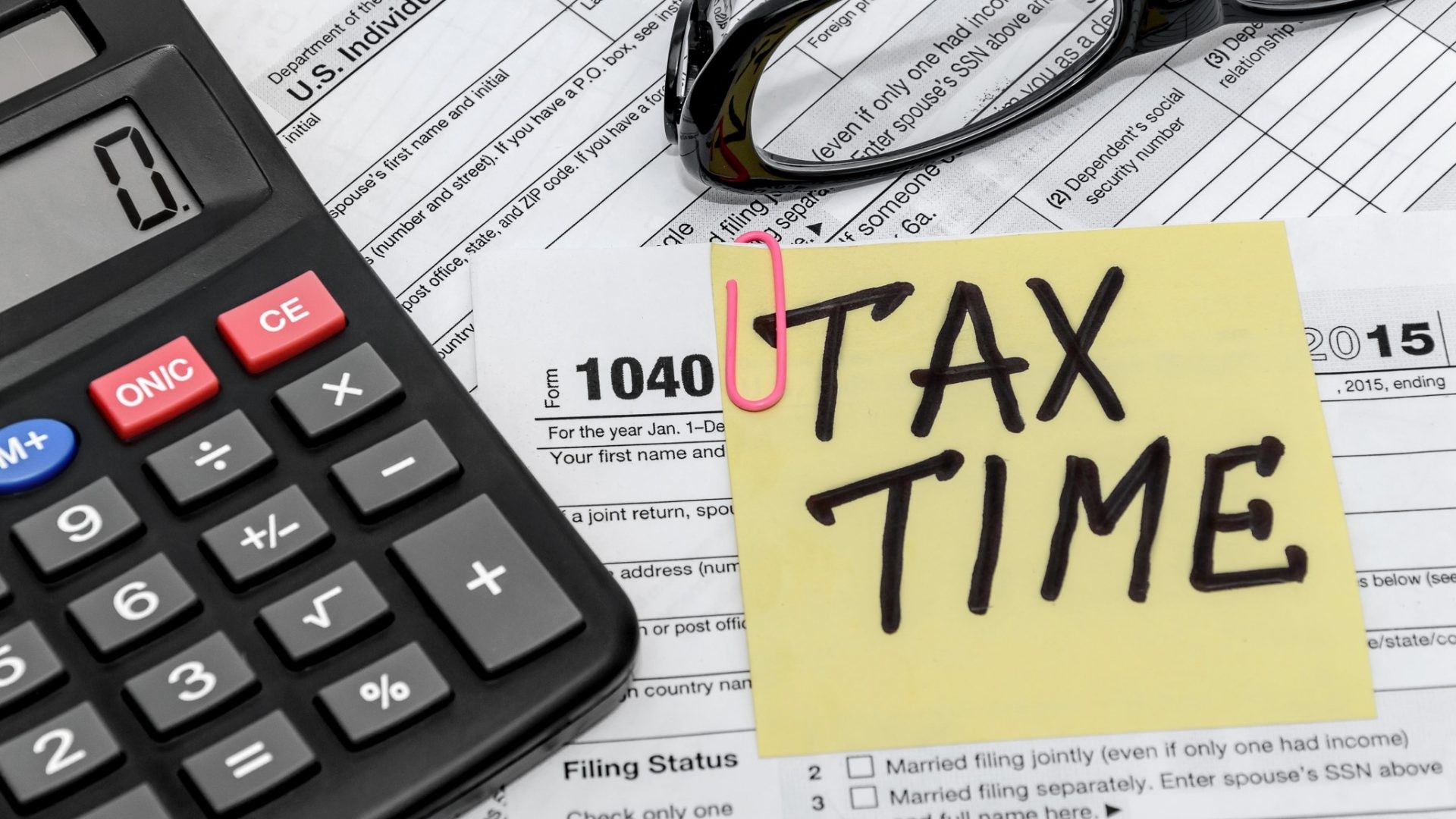
Tax season typically begins in late January when the Internal Revenue Service (IRS) starts accepting federal tax returns. The standard filing deadline for most taxpayers is April 15th, but you can file as soon as you have all necessary documents – often weeks or months before the deadline. Filing early can expedite refunds and prevent last-minute errors.
IRS Start Date and Key Deadlines
The IRS confirms the official start date each year, usually in mid-to-late January. For the 2025 tax year, expect returns to be accepted starting in late January or early February 2026.
Here are the most important dates for 2026:
- Federal Tax Deadline: April 15, 2026, for filing your return and paying any taxes owed.
- Extension Deadline: Filing Form 4868 by April 15 grants an extension to file until October 15, 2026, but does not extend the payment deadline.
- Quarterly Estimated Payments: Self-employed individuals must make estimated tax payments on the following dates:
- April 15, 2026
- June 15, 2026
- September 15, 2026
- January 15, 2027
Why File Early?
There are several advantages to submitting your taxes early:
- Faster Refunds: The sooner you file, the quicker you’ll receive your refund.
- Issue Resolution: Filing early allows ample time to correct errors or submit missing documents.
- Tax Professional Availability: Demand for tax professionals increases closer to the deadline, so filing early secures better access.
- Reduced Errors: Preparing taxes early minimizes mistakes due to rushing.
How to Prepare for Tax Season
To avoid last-minute stress, follow these steps:
- Gather Documents: Collect W-2s, 1099s, bank statements, and any receipts for deductions.
- Organize Records: Maintain a physical or digital tax folder to streamline the process.
- Account for Life Changes: Major events like marriage, childbirth, or starting a business impact your taxes.
- Use the IRS Tax Withholding Estimator: Ensure accurate W-4s and estimated tax payments.
- Choose a Filing Method: Decide between DIY software or hiring a professional.
After Filing: What to Expect
- E-file with Direct Deposit: The IRS usually acknowledges within 72 hours, with refunds arriving within 21 days.
- Mail-in Returns: Processing can take six weeks or longer, with slower refund delivery.
- Refund Status: Track your refund using the IRS “Where’s My Refund?” tool.
Those claiming the Earned Income Tax Credit (EITC) or Additional Child Tax Credit (ACTC) may receive refunds by the end of February, provided they file electronically and choose direct deposit. The IRS is legally restricted from issuing these refunds before mid-February.
State Tax Deadlines
Most states follow the federal April 15th deadline, but some may vary. Hawaii’s deadline is typically April 20th, although it’s advisable to check your state’s Department of Revenue website for the most current information. If you moved during the year or earned income in multiple states, you may need to file multiple returns.
Common Mistakes to Avoid
- Missing Forms: Ensure you have all necessary documents before filing.
- Unreported Income: Report all income, including freelance or gig work.
- Late Filing: Missing the deadline without an extension can result in penalties.
- Outdated W-4: Adjust your W-4 if your income or family situation changes.
- Ignoring Tax Law Updates: Tax laws evolve, so don’t rely on outdated information.
In conclusion, tax season in 2026 begins in late January, with the standard deadline on April 15th. Early preparation and filing can expedite refunds, minimize errors, and reduce stress. Stay organized, utilize available resources, and seek professional help when needed to ensure a smooth tax season.