
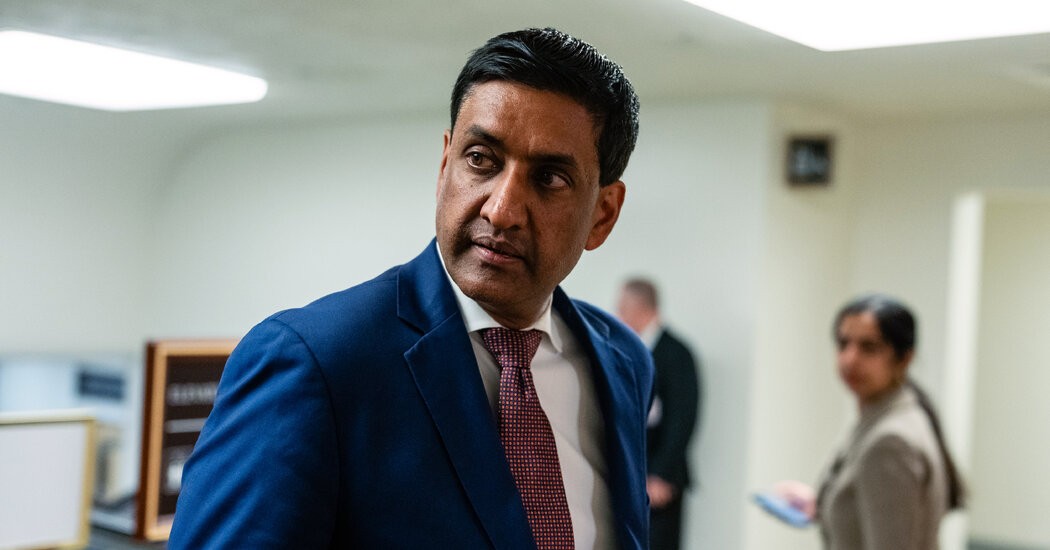
Silicon Valley elites are quietly working to undermine Representative Ro Khanna after his vocal support for a proposed one-time wealth tax in California. Khanna, a rising Democratic figure and potential 2028 presidential contender, has managed to navigate a delicate balance by simultaneously courting the tech industry while advocating for progressive policies. However, his recent defense of the wealth tax—and a pointed social media jab at billionaires threatening to leave the state—has triggered a backlash.
Tech Leaders Mobilize in Opposition
According to multiple sources with direct knowledge of the situation, wealthy Californians are coordinating via private messaging apps and calls to fund a primary challenge against Khanna. While the effort is considered a long shot given Khanna’s strong financial position—he holds nearly $15 million in campaign funds—it illustrates the growing friction between Silicon Valley and the Democratic Party’s progressive wing.
The anger is rooted in the perceived betrayal by Khanna, who previously enjoyed broad support from the tech community. Billionaires and venture capitalists are reportedly furious over his public stance, which they view as hostile to their interests. Some are actively exploring ways to replace him with a more business-friendly candidate.
Potential Challenger Emerges
Ethan Agarwal, a little-known Democratic start-up founder, has been floated as a potential opponent. Though his gubernatorial bid has failed to gain momentum, tech leaders believe he could serve as an effective proxy in targeting Khanna. The campaign would likely focus on Khanna’s progressive policies and paint him as out of touch with the economic realities of Silicon Valley.
Why This Matters
This conflict highlights the deepening divide between the tech industry and the left wing of the Democratic Party. As wealth inequality grows, progressives are increasingly pushing for measures like wealth taxes, which directly threaten the fortunes of Silicon Valley executives. The backlash against Khanna suggests that tech leaders are prepared to use their financial and political influence to defend their interests—even if it means backing candidates who may not align with the broader Democratic agenda. The situation raises questions about how far this opposition will go, and whether it could escalate into a full-scale war between Silicon Valley and the progressive establishment.
The coordinated effort against Ro Khanna is a clear sign that the tech industry is willing to fight back against progressive policies that threaten its wealth and power. This marks a new level of direct confrontation between the two sides.