



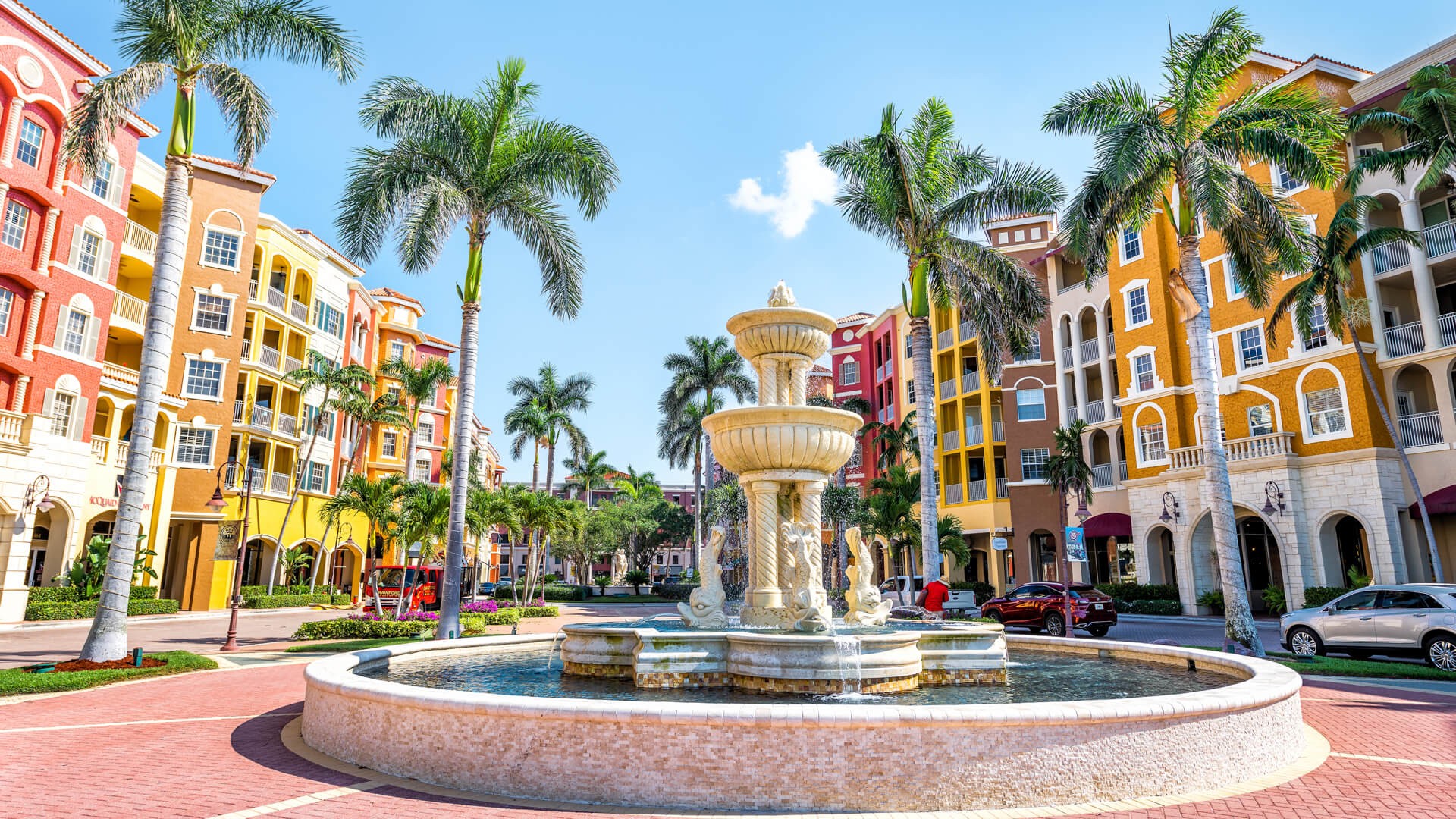
The ability to choose where to live is a key benefit of significant wealth. For affluent American retirees, this often means relocating to upscale communities in cities with favorable climates and thriving economies. Here’s an overview of six destinations drawing high-net-worth individuals for their retirement years, with home price data current as of December 31, 2025.
Tax-Free Havens: Texas and Florida Lead the Way
A major driver behind these relocation trends is tax avoidance. Both Texas and Florida lack state income and estate/inheritance taxes, making them particularly attractive to retirees with substantial assets.
Texas property taxes are high, but the absence of income tax can save retirees tens of thousands annually compared to states like California or New York.
Austin, Texas: Culture, Economy, and Tax Savings
- Most Expensive Neighborhoods: Barton Creek, Westlake Hills, Tarrytown
- Average Home Price (Barton Creek): $2.2 million
Austin’s appeal extends beyond taxes. The city offers a vibrant music and cultural scene, a major international airport, moderate weather, and high-quality medical facilities. Financial advisors note that the tax benefits alone can easily exceed $50,000 to $100,000 per year for high-income retirees.
Naples, Florida: Banking, Exclusivity, and Asset Protection
- Most Expensive Neighborhoods: Port Royal, Aqualane Shores, Gordon Drive Estates
- Average Home Price (Port Royal): $13.9 million
Naples combines Florida’s tax advantages with a robust financial infrastructure catering to high-net-worth clients. The city provides a strong private banking presence and specialized estate planning services. Upscale golf communities and a retiree-focused infrastructure also contribute to its popularity.
Palm Beach, Florida: A Long-Established Luxury Ecosystem
- Most Expensive Neighborhoods: West Palm Beach, Palm Beach, Wellington
- Average Home Price (Palm Beach): $2 million
Palm Beach has long been a preferred retirement destination for the wealthy due to its established network of private clubs, waterfront properties, and high-end medical care. The city’s luxury ecosystem is a key draw for those seeking exclusivity and stability.
Coastal and Desert Retreats: California and Arizona Offer Lifestyle Benefits
While tax considerations are crucial, lifestyle amenities also play a significant role in these decisions. Some wealthy retirees prioritize climate, healthcare, and real estate appreciation over tax savings.
San Diego, California: Climate, Healthcare, and Real Estate Appreciation
- Most Expensive Neighborhoods: Rancho Santa Fe, La Jolla, Del Mar
- Average Home Price (Rancho Santa Fe): $4.2 million
Despite California’s high taxes, San Diego continues to attract affluent retirees due to its unmatched climate, coastal lifestyle, and strong real estate market. Many prioritize home equity growth and access to top-tier healthcare systems, making tax concerns secondary.
Scottsdale, Arizona: Golf, Low Maintenance Living, and Tax Predictability
- Most Expensive Neighborhoods: Silverleaf, Desert Mountain, Estancia
- Average Home Price (Estancia): $4.2 million
Scottsdale is renowned for its warm climate, golf courses, and outdoor lifestyle. The city also offers a deep network of medical providers and luxury housing designed for low-maintenance living. Arizona’s moderate tax structure and favorable retirement income treatment further enhance its appeal.
Tampa, Florida: Waterfront Living and Asset Protection
- Most Expensive Neighborhoods: Parkland Estates, Sunset Park, Palma Ceia
- Average Home Price (Parkland Estates): $1.6 million
Tampa joins the other Florida destinations by offering a favorable tax environment and strong asset protection laws. The city also provides access to waterfront properties, modern healthcare facilities, and relatively affordable luxury housing options.
Conclusion: The movement of wealthy retirees is driven by a combination of financial incentives, lifestyle preferences, and the desire for stability. The cities listed above cater to these needs, offering a blend of tax advantages, high-end amenities, and long-term investment potential.


