
The artificial intelligence sector is currently undergoing a period of intense volatility. From high-stakes litigation that could redefine the industry’s foundational ethics to rapid leadership changes and the rise of sophisticated detection tools, the boundary between human and machine-generated content is becoming increasingly blurred.
The Legal Battle for OpenAI’s Identity
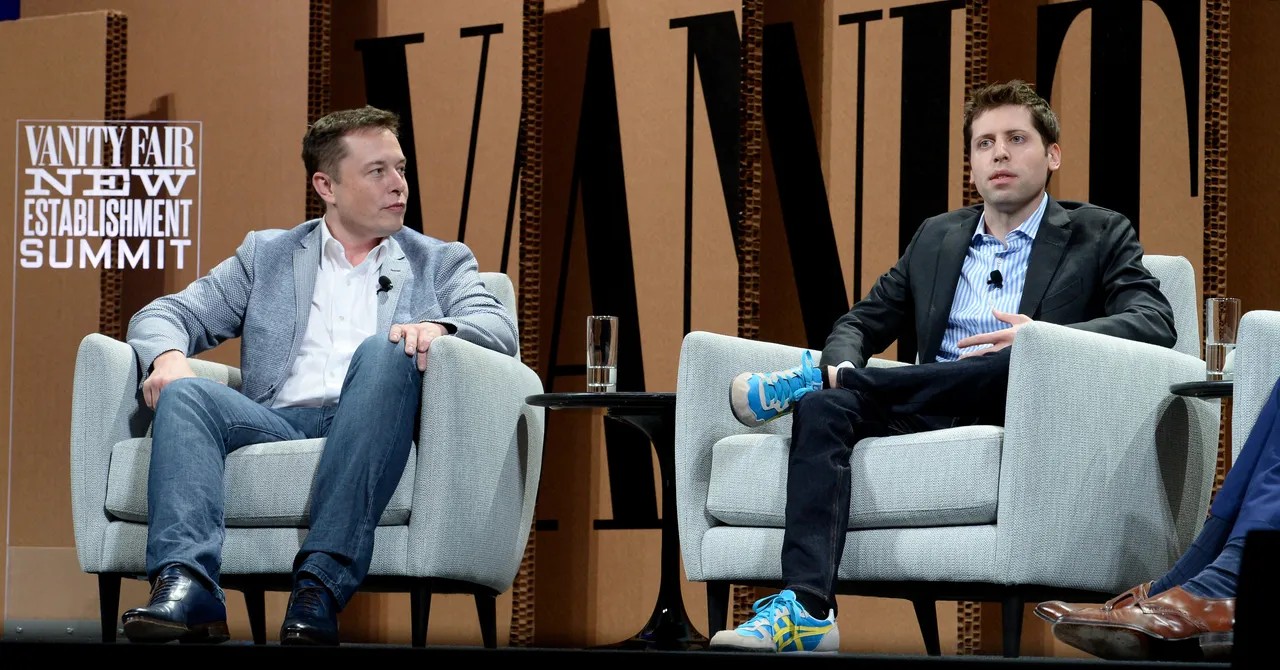
The most significant development currently unfolding is the legal confrontation between Elon Musk and Sam Altman. This trial is more than a personal dispute; it is a fundamental challenge to the identity of OpenAI.
At the heart of the case is a question of mission: Has OpenAI strayed from its original purpose? The company was founded on the principle of ensuring that Artificial General Intelligence (AGI) benefits all of humanity, rather than serving private interests. A jury’s decision in this matter will likely set a precedent for how AI companies are held accountable to their founding charters and public promises.
Corporate Restructuring and Strategic Moves
While the legal battle rages, OpenAI is simultaneously managing internal shifts and attempting to reshape its public perception:
- Executive Departures: Kevin Weil, the former Instagram VP, is leaving the company. His departure marks a reorganization of OpenAI’s technical priorities, as the AI science application he led is being folded into Codex.
- Brand Rehabilitation: In an effort to counter a growing negative public image, OpenAI is acquiring TBPN, a business talk show highly regarded by Silicon Valley elites. This move suggests a strategic push to regain influence within the tech establishment.
The Fight Against “AI Slop” and the Crisis of Authenticity
As AI models become more proficient, the digital world is facing a deluge of synthetic content, often referred to as “AI slop.” This trend raises critical questions about trust and verification in the digital age.
- Detection Tools: New technology is emerging to combat misinformation. Pangram Labs has released an updated Chrome extension designed to flag AI-generated content in real-time. This follows reports that even high-profile messages, such as warnings from the Pope, have been identified as AI-generated.
- The Human Element: The tension between efficiency and authenticity is peaking. While tech CEOs like Mark Zuckerberg and Jack Dorsey envision AI as a tool for hyper-efficient management and “being everywhere at once,” newsrooms and creators are pushing back. The rise of AI-assisted writing in journalism is sparking fears that the pursuit of efficiency may come at the cost of human editorial integrity.
The Competitive Landscape: New Players and Model Wars
The AI arms race is expanding beyond the established giants, with new models and specialized startups challenging the status quo:
- Meta’s Rebound: With the introduction of Muse Spark, Meta is signaling its return to the forefront of AI development, with benchmarks suggesting the model can compete with industry leaders.
- Agile Competitors: Small, highly efficient teams are proving their mettle. Black Forest Labs, a 70-person startup, is successfully competing against Silicon Valley giants in image generation and is now moving toward “physical AI.”
- The Human Verification Trend: Interestingly, the demand for “realness” is even influencing social platforms; new verification methods on Tinder are utilizing biometric data to ensure users are interacting with actual humans.
Conclusion
The current AI evolution is characterized by a paradox: as technology becomes more capable of mimicking human intelligence and presence, the legal, ethical, and social demand for human authenticity is reaching a fever pitch. The outcomes of upcoming legal trials and the success of new detection tools will ultimately determine whether AI serves as a tool for human empowerment or a source of systemic misinformation.