
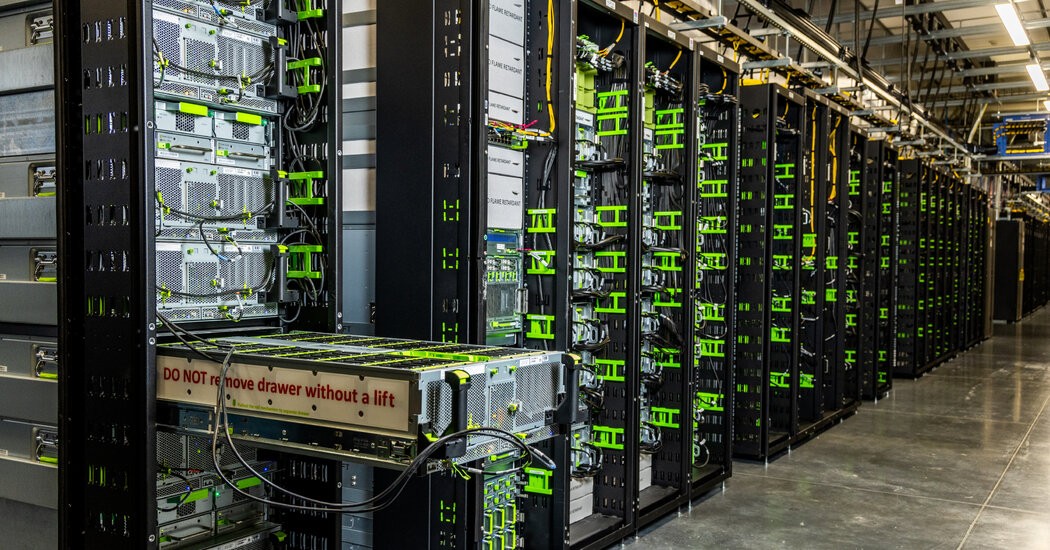
Meta, the parent company of Facebook, Instagram, and WhatsApp, is significantly increasing its financial commitment to artificial intelligence. The tech giant now forecasts spending between $115 billion and $135 billion in 2026, a nearly double increase from the $72 billion spent last year. This surge in investment highlights Meta’s ambition to compete aggressively in the rapidly evolving AI landscape.
The Shift in Strategy
The decision comes after Meta restructured its AI division earlier this year, following setbacks in the AI race. Key moves included a $14.3 billion investment in Scale AI, a data-labeling startup, and the appointment of Scale AI’s CEO, Alexandr Wang, as Meta’s new Chief AI Officer. This reflects a strategic pivot away from earlier focuses like virtual reality toward core AI development, particularly in the pursuit of what Zuckerberg calls “personal superintelligence.”
Financial Performance Fuels Growth
Meta’s substantial investment is made possible by a strong financial performance in 2025. The company reported $59.89 billion in revenue for the fourth quarter, up 24% year-over-year, with profits reaching $22.76 billion, a 9.2% increase. This growth in its core advertising business provides the capital needed to fund the massive AI expansion.
Competition with Tech Giants
The planned spending by Meta could potentially surpass that of major competitors like Google, which spent $93 billion on AI in 2025. This move positions Meta as a major player in the AI arms race, with the goal of developing highly advanced AI models.
Looking Ahead
Meta’s aggressive investment in AI signals a long-term commitment to competing at the forefront of the technology. The company’s future success hinges on its ability to translate this financial commitment into tangible AI advancements, particularly in the development of “superintelligent” systems. This represents a significant gamble, but one that Meta appears willing to take to secure its position in the next era of computing.