



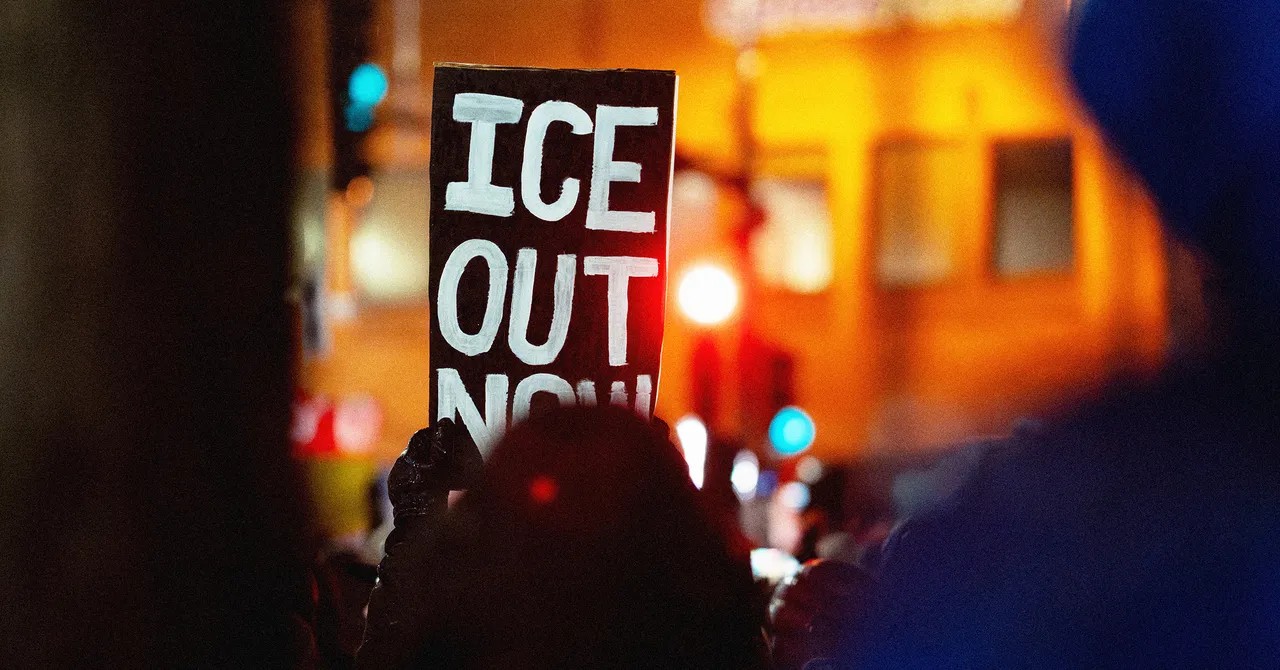
The state of Minnesota, along with the city of Minneapolis, is actively challenging federal immigration enforcement strategies in court, alleging an overreach of power by Immigration and Customs Enforcement (ICE). This legal battle comes amid growing scrutiny of ICE’s operations, which have been marked by fatal encounters, alleged impunity for agents, and a controversial expansion into surveillance technologies.
State Lawsuit Challenges ICE Operations
Minnesota officials filed a lawsuit to halt what they describe as an “invasion” of ICE agents, raising concerns about the legality of the federal government’s actions within state borders. The legal challenge follows a period of increased ICE activity, including deployments in major cities without clear coordination with local authorities.
This dispute highlights a broader tension between federal immigration enforcement and states’ rights, with Minnesota joining other jurisdictions in questioning the extent of ICE’s authority.
Fatal Encounters and Lack of Accountability
Over the past decade, ICE agents have been involved in over two dozen fatal shootings, yet no agents have faced criminal charges. This pattern has sparked outrage from civil rights advocates and prompted calls for greater accountability within the agency.
A recent case in Minneapolis involving the shooting of Renee Good has further intensified scrutiny:
- Jonathan Ross, the ICE agent involved, was reportedly a firearms trainer with “hundreds” of prior enforcement encounters.
- A GoFundMe campaign to support Ross’s legal defense remains active despite potential violations of the platform’s terms of service, raising questions about selective enforcement.
Expansion of Surveillance Technologies
ICE is actively exploring the use of commercial surveillance tools, including ad tech and big data analytics, to enhance investigations. A recent federal filing shows ICE’s interest in leveraging these technologies for law enforcement purposes, signaling a further integration of private sector surveillance into immigration enforcement.
This trend raises concerns about privacy violations and the potential for mass surveillance of immigrant communities.
Misinformation and Intelligence Failures
Claims of a coordinated “invasion” by Venezuelan gangs, such as the Tren de Aragua, have been largely debunked by US intelligence records. Hundreds of documents obtained by WIRED reveal fragmented, low-level crime rather than the organized terrorist threat portrayed by some officials.
Meanwhile, reports suggest that AI-driven errors may have led ICE to deploy agents without adequate training, further exacerbating the risks associated with its operations.
Counter-Surveillance and Citizen Resistance
As ICE expands its surveillance capabilities, civilians are increasingly engaging in counter-surveillance tactics, monitoring law enforcement as much as they are monitored themselves. This shift reflects a growing awareness of privacy erosion and a willingness to challenge traditional power dynamics.
The rise of citizen surveillance underscores a changing landscape where conventional authority is being questioned and resisted through decentralized means.
Protests and Political Marketing
Protest policing has evolved into a more antagonistic approach, with authorities intentionally provoking demonstrators for political marketing purposes. This shift reflects a broader trend of weaponizing public unrest to justify increased law enforcement powers.
The ongoing protests in Minnesota following the shooting of Renee Good exemplify this dynamic, with residents continuing to demonstrate against federal overreach.
The conflict between Minnesota and ICE represents a critical moment in the debate over immigration enforcement, surveillance, and accountability in the United States. The outcome of the legal battle will likely set precedents for future conflicts between state and federal authorities.


