



















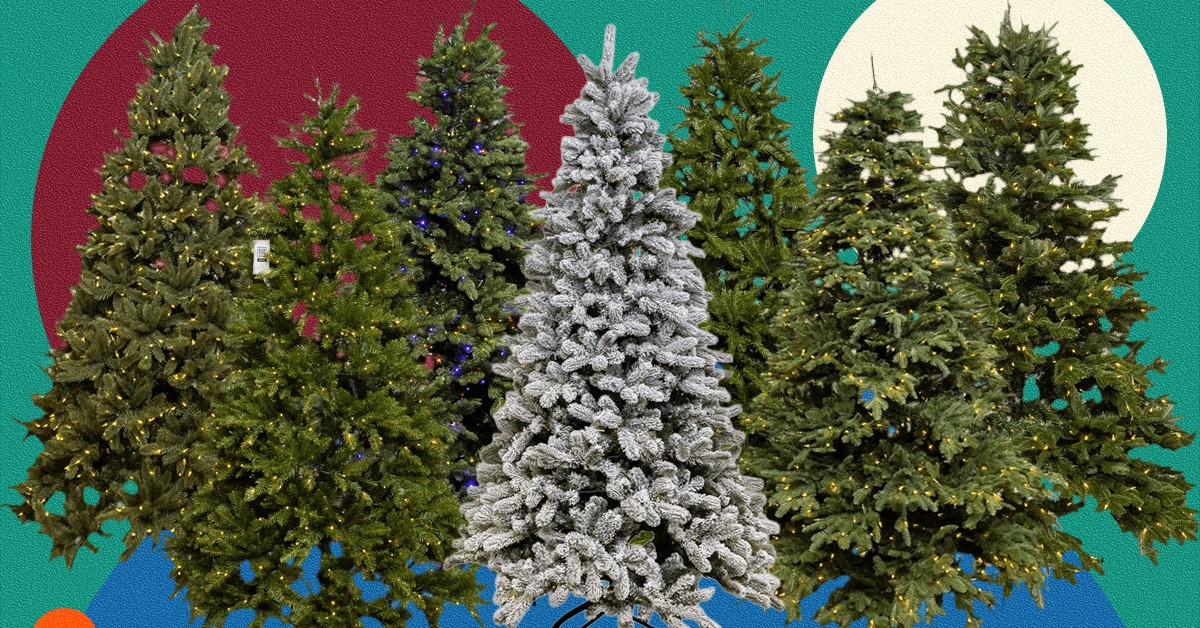
Shopping for an artificial Christmas tree can be a gamble. Online photos often fail to capture the real look and feel, leaving buyers wondering if the tree will look cheap, shed needles everywhere, or collapse under the weight of ornaments. To cut through the uncertainty, WIRED conducted a blind test with interior designers, assembling ten popular artificial trees from leading brands (Balsam Hill, King of Christmas, and National Tree Company) and having professionals evaluate them solely on appearance and quality. The results offer clear guidance for shoppers seeking a realistic, durable, and visually appealing artificial tree.
The Testing Process: Blind Judging and Real-World Feedback
The experiment involved assembling the trees in a controlled studio environment in Kansas, where three professional interior designers scored each tree on five key criteria: realism, fullness, branch structure, needle quality, and overall appeal. Judges were unaware of brand names or prices, ensuring unbiased evaluation. Afterward, assemblers took the trees home to test real-world setup and durability, providing practical feedback on assembly, shedding, and ornament-holding capacity.
The scoring system used a 25-point rubric, with each category rated from 1 to 5, resulting in a total possible score of 75. The trees ranged in price from $170 to $1,700, with a total value of $9,540 assembled in the studio. This rigorous process aimed to identify the best-looking and best-performing artificial tree, stripping away brand reputation and price biases.
Top Picks: Balsam Hill Leads the Way
Balsam Hill’s Vermont White Spruce emerged as the top performer, earning 72 out of 75 points. Judges praised its luxurious appearance, dense branches, and realistic texture. One judge described it as “the Hermès of Christmas trees,” highlighting its high-end look and feel. The tree also boasts pre-lit LED lights controllable via an app, adding convenience without sacrificing aesthetics. Assemblers found it easy to set up, although cautioned about sharp ends on tree sections requiring careful handling.
King of Christmas’ King Flock followed closely with 71 points, excelling in its realistic flocked appearance. Judges noted its full branches and snow-covered look, making it a standout choice for those who prefer a winter wonderland aesthetic. Assemblers appreciated the included remote for adjusting lights and setting timers, though some shedding was observed. Disassembly proved more difficult than setup, but the tree’s overall quality justified the effort.
King of Christmas’ Cypress Spruce secured a solid third place with 67 points. Its classic design and balanced structure earned praise for its traditional appeal. The tree’s sturdy branches can handle heavy ornaments without sagging, making it ideal for families who love to decorate extensively. While it lacks advanced features, its simplicity and durability make it a reliable choice.
Balsam Hill’s Balsam Fir rounded out the top contenders with 59 points. Its full shape and soft green hue impressed judges, though some noted that the branches felt waxy and needles lacked realism. Despite this, its sturdy construction and ornament-holding capability made it a practical choice for those prioritizing durability.
Key Takeaways for Shoppers
The WIRED experiment demonstrates that the best artificial Christmas trees prioritize realism, fullness, and durability. Balsam Hill consistently delivers high-quality trees that mimic the look and feel of real evergreens, while King of Christmas offers competitive options with unique features like flocked designs and remote-controlled lights.
Ultimately, selecting the right tree comes down to individual preferences and priorities. For those seeking a luxurious, realistic experience, Balsam Hill’s Vermont White Spruce is the clear winner. For those who prefer a winter wonderland aesthetic, King of Christmas’ King Flock is an excellent choice. Regardless of budget or style, this blind-tested data provides shoppers with valuable insights to make an informed decision.