
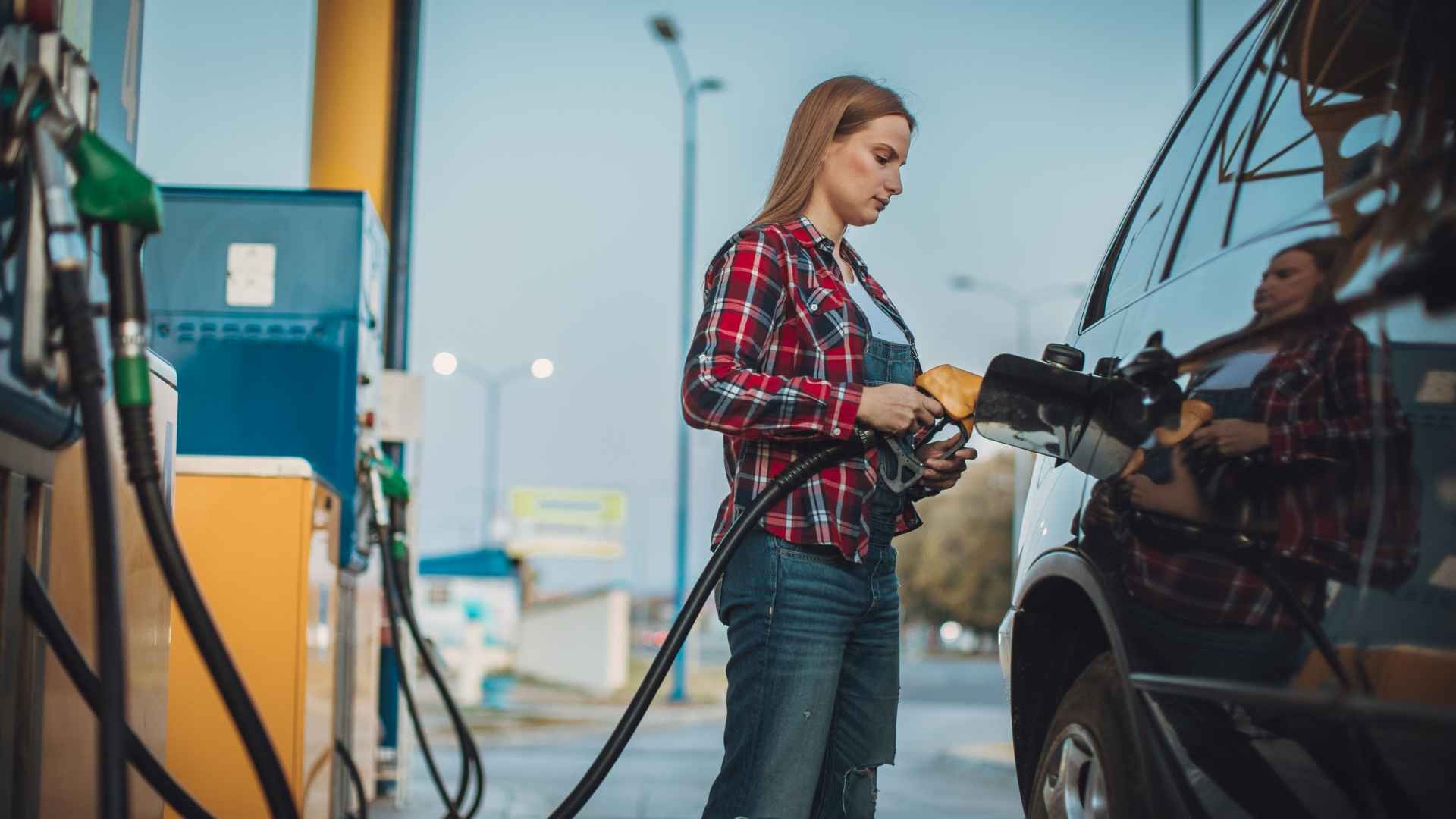
Gas prices are a major expense for many drivers, and understanding when to fill up can save you money. Recent data from GasBuddy indicates that Thursday is typically the most expensive day to buy gas, with prices peaking as demand rises heading into the weekend. Conversely, Sunday is often the cheapest day to fill your tank.
Why Timing Matters: Weekly Price Cycles
Gas prices don’t change randomly. They follow predictable weekly cycles, with prices gradually increasing through the week and easing on weekends. In most states, this means avoiding Wednesday, Thursday, and Friday if you want to pay less. However, some states—including Texas, Michigan, Indiana, Ohio, and Florida—experience more volatile price resets, with spikes followed by declines over several days. In these areas, the difference between peak and low prices can be 15 to 45 cents per gallon or more.
Global Factors and Current Trends
The national average gas price is around $3.60 per gallon (as of this writing), but prices can change rapidly due to geopolitical events. The ongoing conflict in Iran, for example, has already caused dramatic spikes in some areas. This suggests that higher prices could persist until the situation stabilizes.
Four Ways to Maximize Savings
Beyond timing your fill-up, several other strategies can help you save on gas:
- Reduce driving: Minimize unnecessary trips and consolidate errands. Use GPS to find the most efficient routes.
- Use gas price apps: GasBuddy, Gas Guru, and AAA’s mobile app can help you locate the cheapest gas stations nearby.
- Pay with cash: Many stations offer lower prices for cash transactions to avoid credit card processing fees.
- Drive efficiently: Gentle acceleration, moderate speed, and regular vehicle maintenance (including tire pressure) can improve fuel efficiency.
The Bottom Line
While external factors like conflicts and seasonal demand influence gas prices, strategic timing can still help you save. By avoiding peak days like Thursday and opting for Sunday fill-ups, you can keep more money in your pocket. Small savings per tank add up over time, making these habits worthwhile for any driver.