
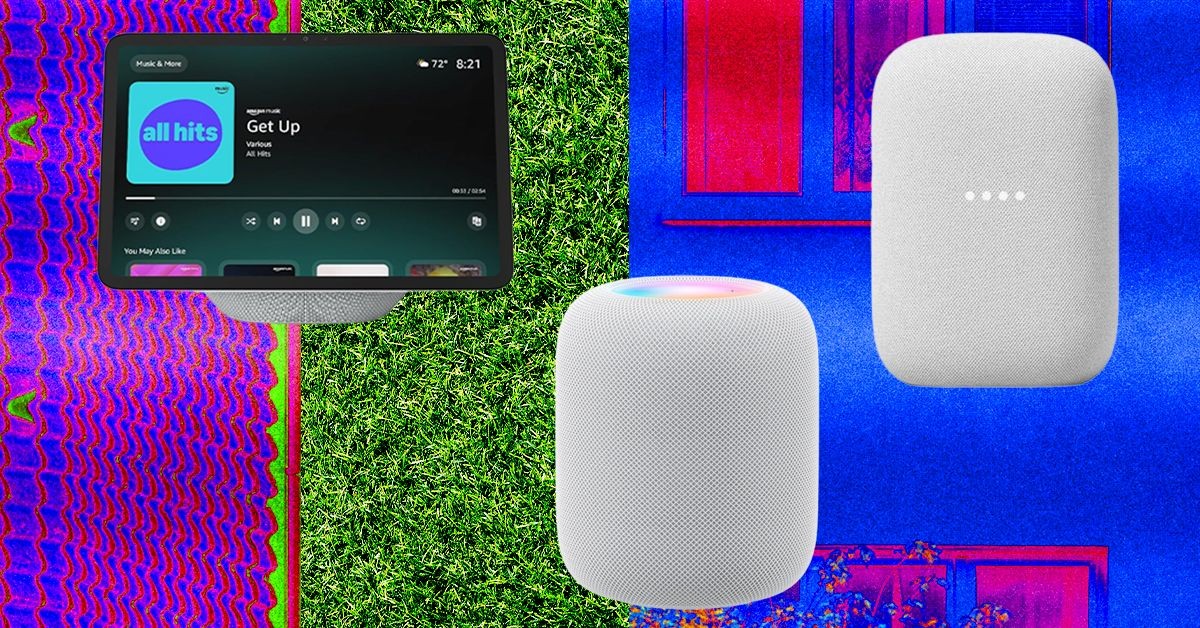
Building a smart home can feel overwhelming, but the process essentially boils down to one decision: which digital assistant will act as your home’s brain?
A smart home assistant—typically housed in a smart speaker or display—serves as the central hub for your gadgets. It allows you to control everything from lighting and blinds to garage doors through simple voice commands. Rather than picking devices at random, the most efficient strategy is to choose an ecosystem that aligns with the technology you already use every day.
The Three Major Players
The market is currently dominated by three distinct philosophies: Amazon, Apple, and Google. Each offers a different balance of device variety, ease of use, and privacy.
1. Amazon Alexa: The Universal Connector
Amazon was a pioneer in making smart homes accessible, and it remains the leader in terms of sheer variety.
The Pros:
* Unmatched Variety: With over 11 different models of speakers and displays, Amazon offers a device for every niche—from high-end audio systems to kid-friendly gadgets.
* Broad Compatibility: Because Alexa has been around so long, it works with the widest range of third-party smart devices.
* Family Integration: The system excels at creating individual user profiles, allowing different family members to access their own calendars and preferences.
The Cons:
* Privacy Concerns: Amazon’s ownership of Ring has raised red flags; the company’s partnership with law enforcement allows for direct footage requests, posing significant privacy risks.
* Fragmented Paywalls: To get the most out of the system, you may encounter multiple subscription hurdles, such as fees for Alexa+ or separate storage plans for Ring cameras.
💡 Expert Tip: If you want a “plug-and-play” experience where voice control is the priority, Amazon is the strongest entry point.
2. Apple Home: The Privacy-First Choice
Apple’s ecosystem is designed for those who prioritize security and seamless integration within the iPhone environment.
The Pros:
* Security & Encryption: Apple emphasizes end-to-end encryption, making it a top choice for privacy-conscious users.
* Ecosystem Synergy: If you own an iPhone, the Home app is already installed, and Siri provides a familiar interface.
* Matter Compatibility: Thanks to the new Matter industry standard, the once-limited selection of Apple-compatible devices has expanded to include affordable options like Ikea’s smart line.
The Cons:
* Hardware Limitations: Apple’s smart speakers (HomePod) are released infrequently, and the selection of dedicated smart displays is slim.
* User Friction: Relying solely on a smartphone for voice control can be cumbersome and can drain your phone’s battery more quickly than dedicated household speakers.
💡 Expert Tip: Apple Home is best for users who already live in the iOS ecosystem and value data security over device variety.
3. Google Gemini: The AI-Driven Powerhouse
Google has pivoted its smart home strategy toward advanced AI, integrating its Gemini assistant to create a more “intelligent” home.
The Pros:
* Intelligence & Design: Google’s hardware is often praised for its sleek aesthetics, and the Gemini-powered assistant offers highly sophisticated responses.
* Android Integration: For Android users, the transition is nearly effortless as the assistant is already baked into the phone.
* Streamlined Subscriptions: Unlike Amazon’s fragmented model, Google offers a more unified “Google Home Premium” subscription that covers multiple devices and features.
The Cons:
* Shrinking Hardware: Google has been scaling back on its own hardware production, opting instead to rely on third-party partnerships.
* Feature Paywalls: While the basic AI is free, advanced features like extended video history require a monthly subscription.
💡 Expert Tip: Google is the ideal choice for users who want a highly responsive, AI-driven experience and prefer a more unified subscription model.
Summary Comparison
| Feature | Amazon Alexa | Apple Home | Google Gemini |
|---|---|---|---|
| Best For | Maximum device variety | Privacy & iPhone users | AI-driven intelligence |
| Main Strength | Huge ecosystem | End-to-end encryption | Smart software/AI |
| Main Weakness | Privacy/Subscription complexity | Limited hardware range | Reducing proprietary hardware |
The Bottom Line: Your choice should be dictated by the “path of least resistance.” Look at your current smartphone and your budget; the best smart home is the one that integrates most naturally into your existing daily habits.