
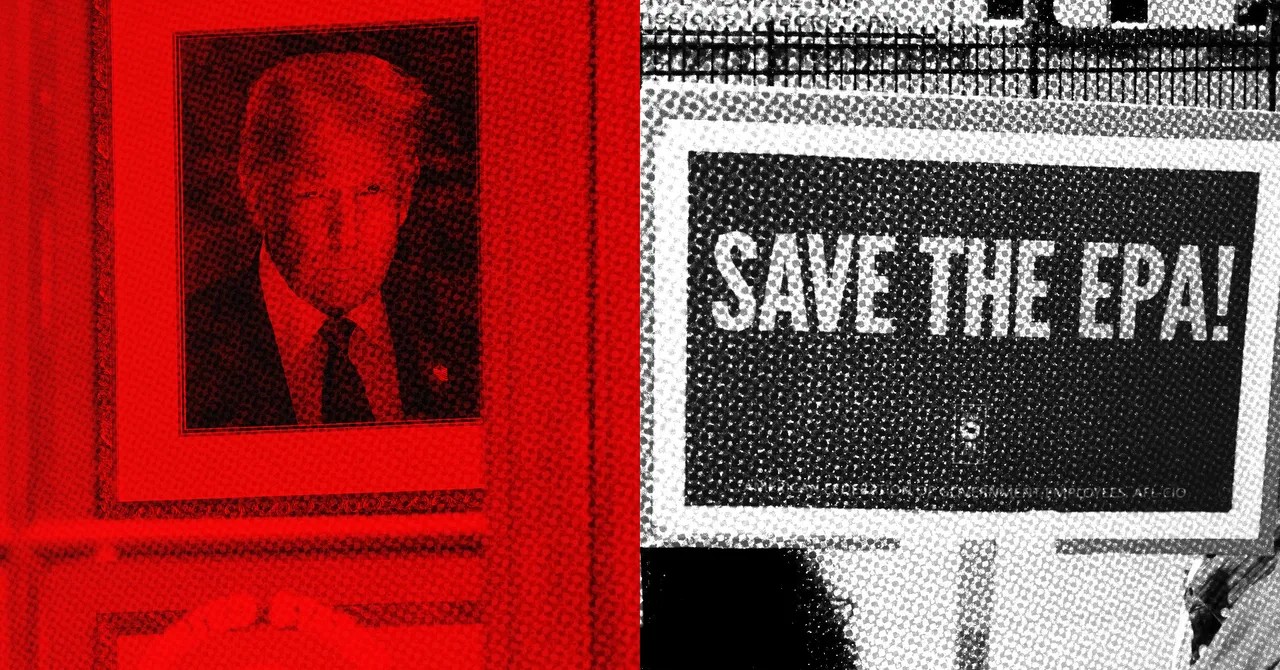
The U.S. Environmental Protection Agency (EPA) is facing unprecedented disarray even as a looming government shutdown appears poised for resolution. While federal agencies brace for return-to-work orders following Congress’s tentative agreement, internal turmoil continues at the EPA due to haphazard furloughs and unsettling directives impacting its workforce.
Interviews with current EPA employees reveal a disturbing picture of operational chaos — a marked contrast to the relative order seen in other departments facing similar shutdown pressures. The agency’s usual structure has been shattered, leaving staff grappling with uncertainty and a patchwork approach to operations that prioritizes certain initiatives over others seemingly at random.
A key feature of this dysfunction is an unpredictable furlough system. Instead of following a systematic plan, the EPA has implemented waves of furloughs without clear criteria or communication. Employees are often left scrambling for information, finding out about colleagues’ departures only through automated out-of-office replies or empty Teams profiles.
This lack of transparency extends beyond individual worker status. There’s no clear indication of how long this funding patchwork will hold, leaving employees uncertain about their future job security. Some believe the agency is simply dipping into residual funds from last year’s budget, a practice that raises questions about fiscal planning and sustainability. Even EPA supervisors seem to be operating in the dark, echoing their staff’s confusion over imminent furloughs and dwindling resources.
Adding fuel to this already unstable situation are conflicting directives regarding ongoing projects. While teams directly involved in rolling back environmental regulations, aligned with the administration’s deregulatory agenda, remain active and even encouraged to continue work, other critical departments like civil rights enforcement have been largely unaffected.
This selective prioritization further complicates matters for employees working on interconnected tasks. For instance, a team focusing on Superfund clean-up efforts—a program responsible for remediating toxic waste sites nationwide—reports continued staffing despite initial uncertainty. However, this stability hinges on the administration’s potential use of trust funds to cover payroll. Recent shifts in this policy have caused fresh anxiety within this group, as they anticipate imminent furloughs without a clear timeline.
The situation at EPA underscores a broader concern: shutdown policies lack consistent application and long-term planning across federal agencies. While Congress debates reopening the government, these inconsistencies leave employees vulnerable to sudden disruptions, unclear career trajectories, and the potential for significant project delays. The agency’s struggle to maintain operational coherence during this period highlights the human cost of political paralysis and calls into question whether vital environmental protection efforts will suffer lasting consequences from this shutdown fallout.