The US Border Patrol Tactical Unit (BORTAC) and its sister unit, Border Patrol Search, Trauma and Rescue (BORSTAR), have undergone a dramatic transformation under recent administrations. Once reserved for high-risk operations like desert rescues and cartel conflicts, these heavily armed paramilitary forces have been deployed into American cities in unprecedented numbers, marking a significant militarization of domestic law enforcement. This expansion, largely obscured by government secrecy, raises serious questions about accountability, use of force, and the erosion of civil liberties.
From Border Security to Urban Raids
Historically, BORTAC and BORSTAR operated primarily along the US-Mexico border, handling extreme situations that required specialized training and equipment. However, under recent leadership, their missions expanded to include aggressive street-level immigration sweeps in major US cities, including Chicago, Los Angeles, and Minneapolis. This shift is not merely a tactical adjustment; it represents a fundamental change in how federal law enforcement operates within civilian populations.
The scale of this deployment is striking. The past few years have seen the largest-ever mobilization of BORTAC and BORSTAR agents within the United States. The lack of transparency surrounding these operations makes it difficult to determine the full extent, but records indicate a deliberate effort to keep agent identities hidden from the public. Many operate behind masks and call signs, further obscuring their actions.
Brutality in Chicago: An Example of Escalation
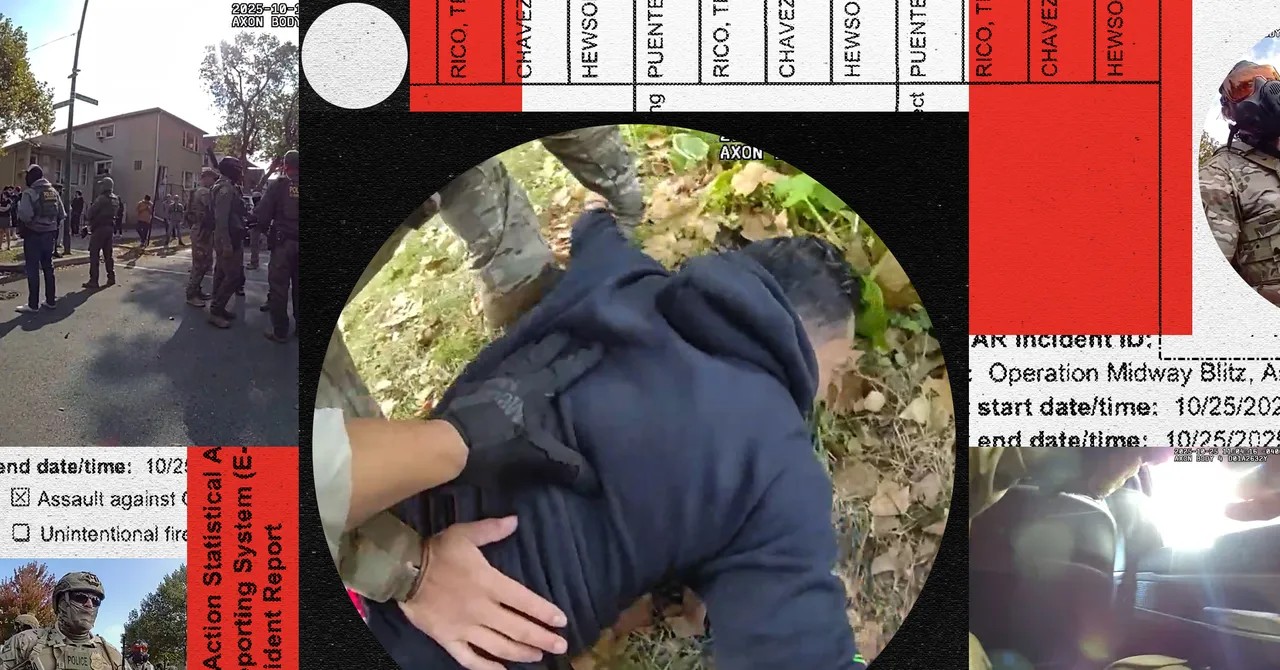
One particularly stark example occurred in Chicago, where BORTAC agents stormed a South Shore apartment building in September 2025. Armed with suppressed M4 rifles and accompanied by K-9 units, they aggressively entered residences, including one where an undocumented immigrant was brutally attacked by a police dog without warning. The incident, captured on body camera footage, exemplifies the escalating violence associated with these deployments.
This was not an isolated case. A WIRED analysis of US government records revealed that BORTAC and BORSTAR agents were involved in over 144 documented uses of force during Operation Midway Blitz, a surge of immigration enforcement in Chicago. These incidents included punching, kicking, deploying tear gas, and unleashing dogs on civilians—tactics far exceeding standard law enforcement protocols.
The Human Cost and Lack of Accountability
The consequences of this paramilitary expansion are severe. The Border Patrol’s use-of-force guidelines have become increasingly lax under certain directives, allowing agents to operate with a level of aggression previously reserved for combat zones. This has led to numerous injuries, wrongful arrests, and at least one confirmed death.
Despite mounting evidence of misconduct, accountability remains elusive. Investigations into these incidents are often stalled by bureaucratic delays, withheld documents, and a lack of cooperation from the Department of Homeland Security. Civil rights attorneys and civic organizations are now pushing for special prosecutors to investigate and prosecute agents involved in excessive force and wrongful arrests, but no charges have been filed to date.
A Deliberate Shift Towards Militarization
The decision to deploy heavily armed paramilitary units into American cities is not accidental. It reflects a deliberate effort to intimidate communities and enforce immigration policies through force rather than due process. As one high-ranking official put it, “The optics matter…the long guns, the camouflage, the body armor. They send a message.”
This militarization of domestic law enforcement raises fundamental questions about the role of federal agencies in civilian life. The Border Patrol, designed to secure the border, has effectively become an occupying force in American cities, operating with a level of impunity that undermines trust and erodes democratic norms.
The future of these operations remains uncertain, but one thing is clear: unless meaningful reforms are implemented, the trend toward paramilitary escalation will continue to threaten civil liberties and deepen the divide between law enforcement and the communities they serve.