
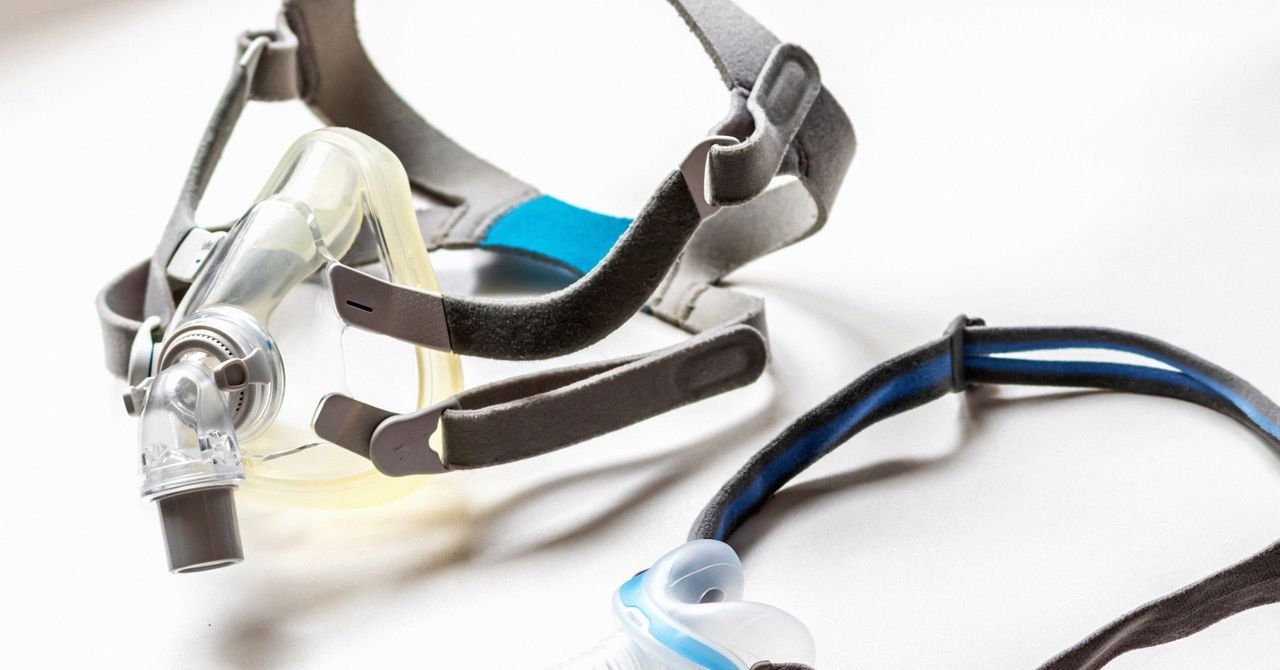
Global warming isn’t just about melting ice caps and extreme weather; it’s quietly eroding our sleep health, with potentially devastating consequences. New research confirms that rising nighttime temperatures are linked to a surge in sleep apnea cases, a chronic condition where breathing repeatedly stops and starts during sleep. This isn’t just about feeling tired; untreated sleep apnea raises the risk of cardiovascular disease, diabetes, dementia, and even traffic accidents.
The Science Behind the Crisis
For years, scientists have observed a correlation between heat waves and hospitalizations for various health conditions. A team at Flinders University in Australia began investigating whether disrupted sleep played a role. Their findings are alarming: higher nighttime temperatures directly impact both sleep duration and the severity of sleep apnea events.
One large-scale European study involving over 67,000 participants revealed a 13% increase in sleep apnea prevalence during heat waves. The data showed that for every 1°C (1.8°F) rise in nighttime temperature, sleep apnea events increased by 1.1%. This trend is accelerating, with projections estimating a 1.2 to threefold increase in sleep apnea cases by 2100 if current warming trends continue.
Disproportionate Impact on Vulnerable Populations
The crisis won’t affect everyone equally. Low-income communities without access to air conditioning will bear the brunt of the impact. Studies show that heat affects sleep duration 10–70% more severely among minority groups, such as Hispanic populations in the US.
The issue isn’t limited to Australia. Chinese researchers found an 8.4% increase in sleep apnea events for every 10°C increase in daily temperature, based on smartwatch data from over 51,000 people.
Why Heat Makes Breathing Harder
The link between heat and sleep apnea is complex. Higher temperatures impair the body’s natural cooling mechanisms, leading to lighter, more fragmented sleep. This makes apnea events more likely, as they tend to occur during lighter sleep stages.
But it’s more than just discomfort. Heat destabilizes breathing control, causes fluid retention, and promotes dehydration, all of which can make the upper airway more prone to collapse.
Air Pollution Compounds the Problem
Rising temperatures aren’t the only threat. Air pollution, particularly particulate matter (PM2.5) and nitrogen dioxide, exacerbates sleep apnea. Hong Kong researchers found that exposure to PM2.5 significantly increases the risk, while nitrogen dioxide irritates throat tissues, making the airway more unstable during sleep.
Mitigation Strategies
Despite the grim outlook, there are ways to reduce risk:
- Air Filtration: Using indoor air purifiers when air quality is poor (AQI > 200) can help.
- Weight Management: Obesity increases heat retention and worsens sleep apnea severity. Losing weight can mitigate the risk.
- Hydration: Staying well-hydrated before bed is crucial for regulating body temperature.
Researchers at Flinders University are working on personalized heat-warning systems and behavioral interventions, such as cooling mattress toppers, to protect vulnerable groups.
The escalating connection between climate change and sleep apnea is a serious public health threat. Without proactive measures, the number of people suffering from this condition will skyrocket, disproportionately harming those already at risk.