
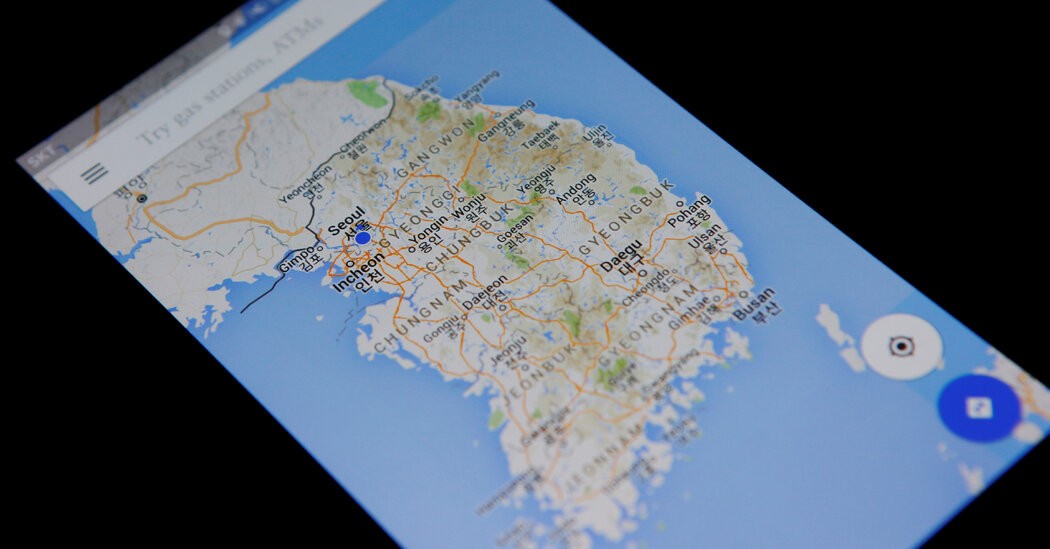
South Korea has lifted long-standing restrictions on Google Maps, granting the tech giant permission to export detailed geographic data from the country. This decision effectively ends a policy that forced Google to offer a severely limited version of its mapping service within South Korea, where real-time navigation, business listings, and other core features have been unavailable.
Historical Context and Security Concerns
For over a decade, South Korea has restricted the export of its detailed map data, citing national security concerns. Unlike most countries where Google Maps functions seamlessly, South Korean users have primarily relied on domestic mapping apps like Naver and Kakao for navigation. The U.S. government, including the Trump administration, has pressured Seoul to end these discriminatory regulations against American technology companies, particularly regarding location data access.
This move comes after Google first introduced its map service to South Korea in 2008 and formally requested full data access in 2016. Restrictions in China and North Korea, where Google faces broader and near-total internet limitations respectively, have also shaped the company’s global mapping strategy.
Government Oversight and Economic Motivations
The Transport Ministry stated that Google will be permitted to export map data subject to government inspection. Sensitive information—including military and security sites—will be excluded from exported datasets. The decision was partly motivated by an interest in boosting tourism and strengthening the South Korean economy. Officials believe that full Google Maps functionality will improve navigation for both domestic and international visitors.
“We welcome today’s decision and look forward to our ongoing collaboration with local officials to bring a fully functioning Google Maps to Korea,” said a Google executive.
Industry Impact and Competitive Landscape
The move is expected to challenge the dominance of Naver and Kakao, South Korean conglomerates that currently control the mapping market. Some industry analysts fear that Google’s global platform could eventually overshadow domestic competitors, potentially relegating them to subcontractor roles.
“Domestic spatial information companies could be relegated to being mere subcontractors for Google,” warns An Jong-wook, president of the Korea Spatial Information Society.
However, others predict that increased competition will ultimately benefit consumers and businesses. Seokho Daniel Yoon, who runs a travel platform, believes that domestic maps will retain an edge through deeper insights into local consumer behavior.
Future Outlook
While Google has not specified a release date for the full navigation features, the decision marks a significant shift in South Korea’s tech policy. The move could allow South Koreans and international visitors to use Google Maps as a fully functioning navigation tool, potentially reshaping the country’s digital landscape. The long-term impact will depend on how domestic firms adapt to the increased competition and whether Google can effectively integrate its services with local preferences.