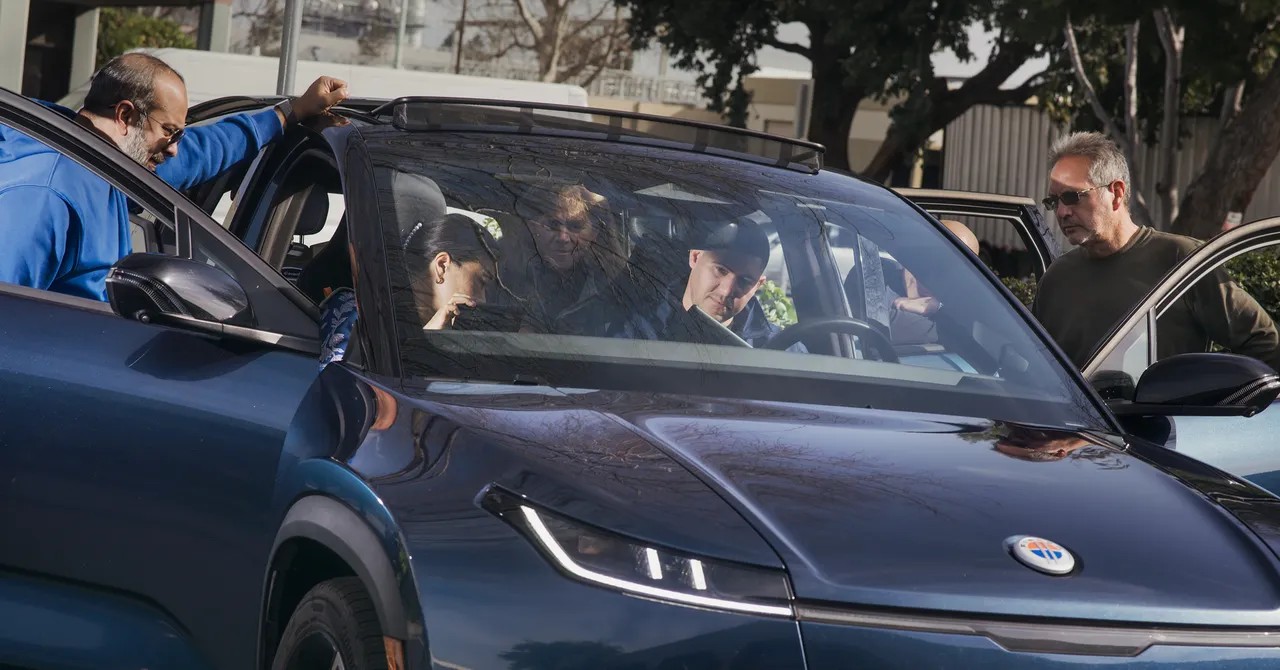
In late 2024, a Norwegian gardener named Svein Hodne found himself locked inside his broken electric car, a Fisker Ocean, after it died on a remote coastal road. This incident wasn’t just a roadside breakdown; it sparked a global movement among EV owners determined to wrest control of their vehicles from defunct companies and predatory tech practices.
The Problem: Locked-In Tech and Abandoned Owners
The Fisker Ocean, while sleek and appealing, proved unreliable. Software glitches, failed parts, and sudden breakdowns left owners stranded – sometimes literally locked inside their cars. When Fisker declared bankruptcy, owners faced a terrifying reality: their expensive vehicles were becoming useless bricks, controlled by proprietary software with no support. The situation highlights a critical flaw in modern car design: reliance on centralized, company-controlled systems that leave consumers powerless when manufacturers fail.
A Community Steps Up
Hodne turned to the Fisker Owners Association (FOA), a rapidly growing group of desperate owners. What began as a support forum quickly evolved into a volunteer-run automotive company. Led by figures like Cristian Fleming and Jens Guthe, the FOA isn’t just keeping cars on the road – it’s actively challenging the business model of manufacturers who abandon customers after the sale.
The Fight for Parts, Code, and Independence
The FOA’s goals are ambitious: secure access to replacement parts, maintain the car’s cloud connectivity for updates, and ultimately, take ownership of the vehicle’s intellectual property. This isn’t simply about fixing broken cars; it’s about breaking free from a system where manufacturers dictate every aspect of ownership, even after bankruptcy.
Legal Battles and Corporate Interference
The FOA’s efforts caught the attention of American Lease, a company poised to acquire Fisker’s remaining assets. The owners worry that American Lease will exploit their dependence on software and parts, charging exorbitant fees instead of empowering them. The FOA is now fighting for a seat at the table in bankruptcy court, pushing for guarantees that owners will have access to repairs and updates.
The Legacy of Automotive Freedom
This situation is a stark reminder of the original promise of car ownership: autonomy and repairability. As automakers increasingly lock down software and prioritize subscription models, the Fisker owners represent a growing resistance. They’re not just fixing cars; they’re fighting for the right to control their own property in an era where tech companies increasingly treat consumers as renters.
The struggle of the Fisker owners is a microcosm of a larger trend: the fight against proprietary systems that lock out owners and prioritize corporate profits over consumer rights. If they succeed, it could set a precedent for other industries – a warning to manufacturers who abandon customers and a roadmap for those who want to take back control.