
Many homeowners in their 60s and 70s delay essential repairs, hoping to avoid upfront costs. However, financial advisors, contractors, and aging experts warn that this approach often leads to far more expensive problems down the line. The longer homeowners wait, the more likely small issues become full-blown emergencies—and the less control they have over the costs.
The High Cost of Postponement
Experts across multiple fields agree: delaying repairs on essential systems such as furnaces, roofs, foundations, and even basic bathroom safety features can snowball into catastrophic financial burdens. This isn’t just about money; it’s also about independence and quality of life.
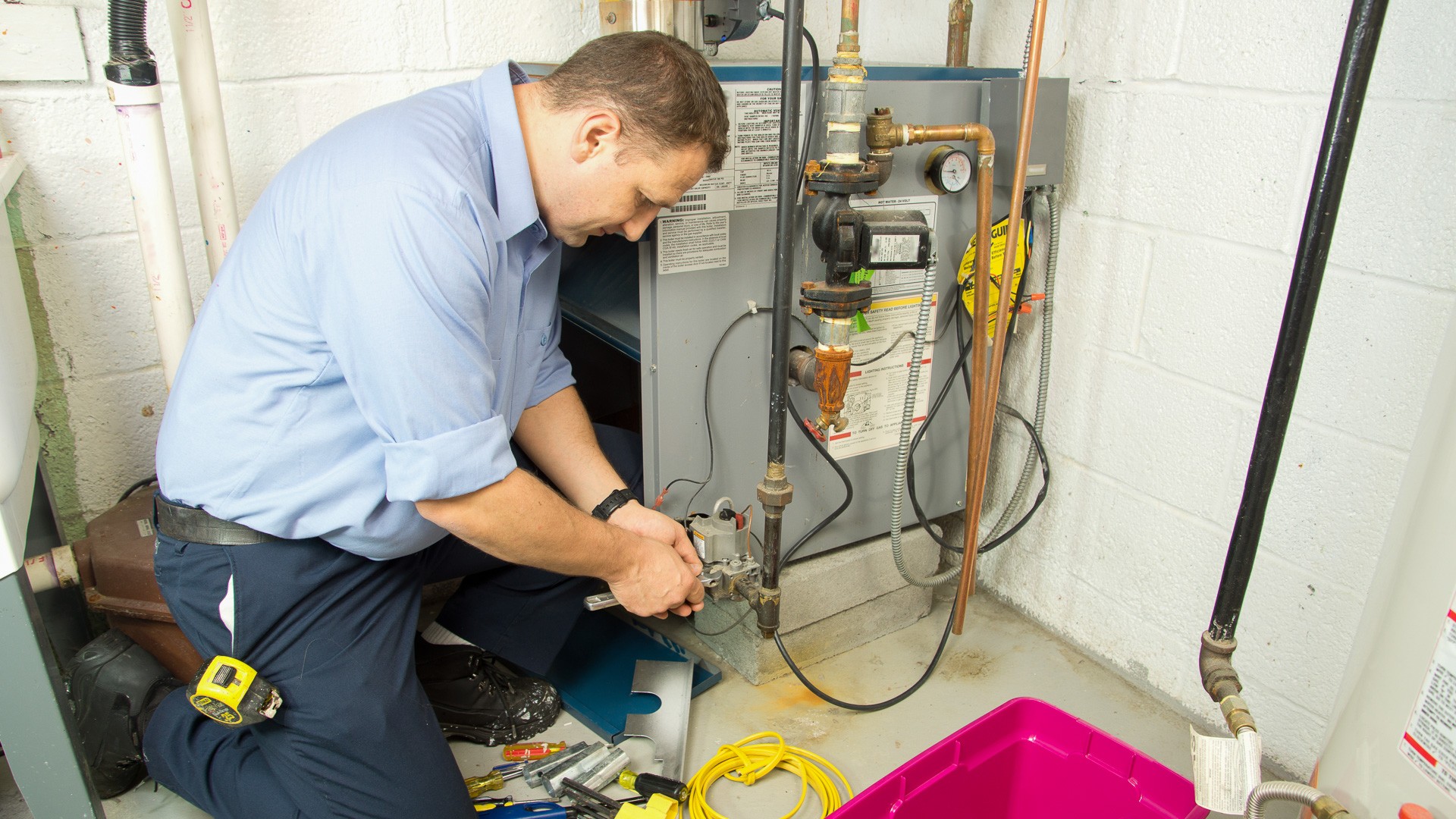
An Aging Furnace: Replacing a furnace that still works seems unnecessary. But postponing this repair often means waiting for a catastrophic failure—usually during the coldest weather. This turns a planned $6,000–$10,000 replacement into an emergency install with inflated prices and the risk of frozen pipes.
Roof & Foundation Neglect: Roof leaks and foundation cracks rarely announce themselves dramatically, but the financial consequences are severe. Delaying a $12,000 roof replacement can easily result in $8,000–$15,000 in mold and water damage remediation, plus potential insurance denials. Moreover, deferred maintenance makes homes harder to insure; some companies may refuse renewals or impose premiums as high as 400% over standard rates.
Bathroom Safety: Small bathroom upgrades—such as grab bars or improved lighting—can prevent falls, ER visits, and the loss of independence. As people age, even minor balance issues can lead to serious accidents. Proactive upgrades are far cheaper than dealing with the consequences of a fall.
Warning Signs to Watch For
Many costly problems offer clear warning signs before they become emergencies. Homeowners should pay attention to:
- Unusual noises or performance changes in aging equipment (e.g., a furnace running longer than usual).
- Structural or moisture indicators (water stains, large cracks in foundations, declining water pressure, musty odors).
- Subtle changes in daily behavior (grabbing for support, struggling to step into the tub, slipping).
Ignoring these signs can turn minor issues into major financial and health crises.
Prioritizing Repairs on a Tight Budget
When resources are limited, experts recommend addressing issues that can trigger cascading damage first. This includes:
- Furnace & Water Heater: Replacing these systems before failure avoids emergency costs and potential disasters.
- Roof & Foundation: These repairs protect the entire asset and ensure insurance viability.
- Bathroom Safety: Preventative measures minimize the risk of falls and medical expenses.
The key is to shift the mindset from “what’s broken” to “what’s next to break me?” Waiting for something to fully fail almost guarantees higher costs, increased stress, and fewer choices. For homeowners planning their next decade, proactive maintenance is the wiser path.
Delaying these critical repairs isn’t just a matter of saving money upfront; it’s about protecting long-term financial stability, health, and independence.