
Despite recent corporate and political efforts to scale back diversity initiatives, entertainment projects prioritizing representation continue to outperform expectations, both critically and financially. This trend highlights a disconnect between industry leadership and audience demand, as films and shows featuring diverse casts and narratives dominate cultural conversation and box office returns.
The Rise of Representation in a Hostile Climate
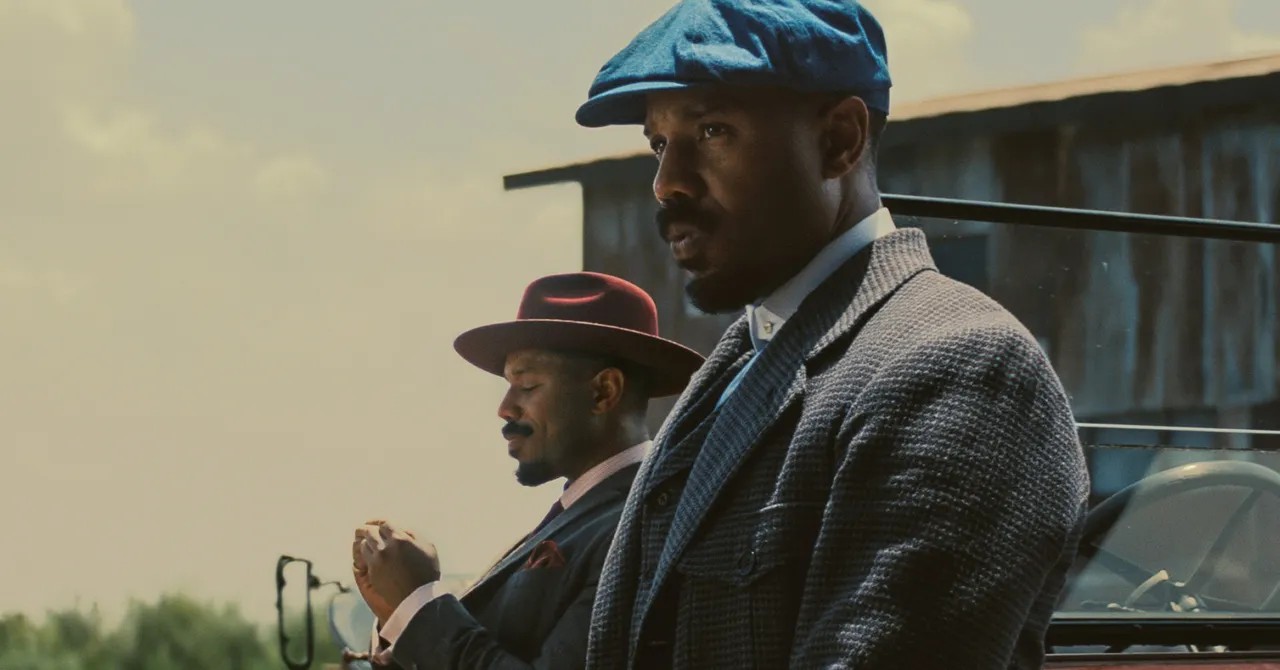
The past year saw several high-profile successes from projects explicitly embracing diversity. Ryan Coogler’s Sinners, a horror film tackling systemic racism, secured a landmark deal with Warner Bros., ensuring long-term creative control. KPop Demon Hunters, directed by a Korean-Canadian filmmaker after years of industry exclusion, mainstreamed a niche subculture. Even smaller productions like HBO’s Heated Rivalry, with its subversive portrayal of queer athletes, generated significant buzz.
These projects weren’t merely critical darlings; they were cultural forces. Sinners, for instance, grossed $368 million, proving that diverse storytelling isn’t just “woke” – it’s profitable.
Corporate Retreat and Audience Response
This success occurred against a backdrop of industry-wide pullback on DEI. Companies like Warner Bros. Discovery, Amazon, and Disney reportedly reduced diversity efforts under pressure from conservative forces. Skydance, backed by billionaire Trump supporter Larry Ellison, acquired Paramount, signaling a shift towards more politically aligned content.
However, audience data suggests this approach is misaligned with consumer preferences. UCLA’s Hollywood Diversity Report found that BIPOC moviegoers disproportionately support films with diverse casts, demonstrating a clear market demand. Social media engagement also favors inclusive storytelling, with underrepresented narratives generating five times more discussion than homogeneous content.
The Economics of Diversity
The numbers speak for themselves: diverse projects don’t just perform well, they drive cultural conversation and attract dedicated audiences. Even in an industry increasingly dominated by conservative ownership, the box office remains the ultimate arbiter. As Wicked director Jon Chu bluntly put it, “If it makes money, if it creates a cultural phenomenon, it becomes a fact.”
This reality forces a reckoning: while corporate and political pressure may temporarily suppress diversity initiatives, market forces will continue to reward projects that connect with audiences seeking authentic and transformative experiences.
In short, the myth of “woke” failure has been debunked. Diversity isn’t just a moral imperative; it’s good business.