
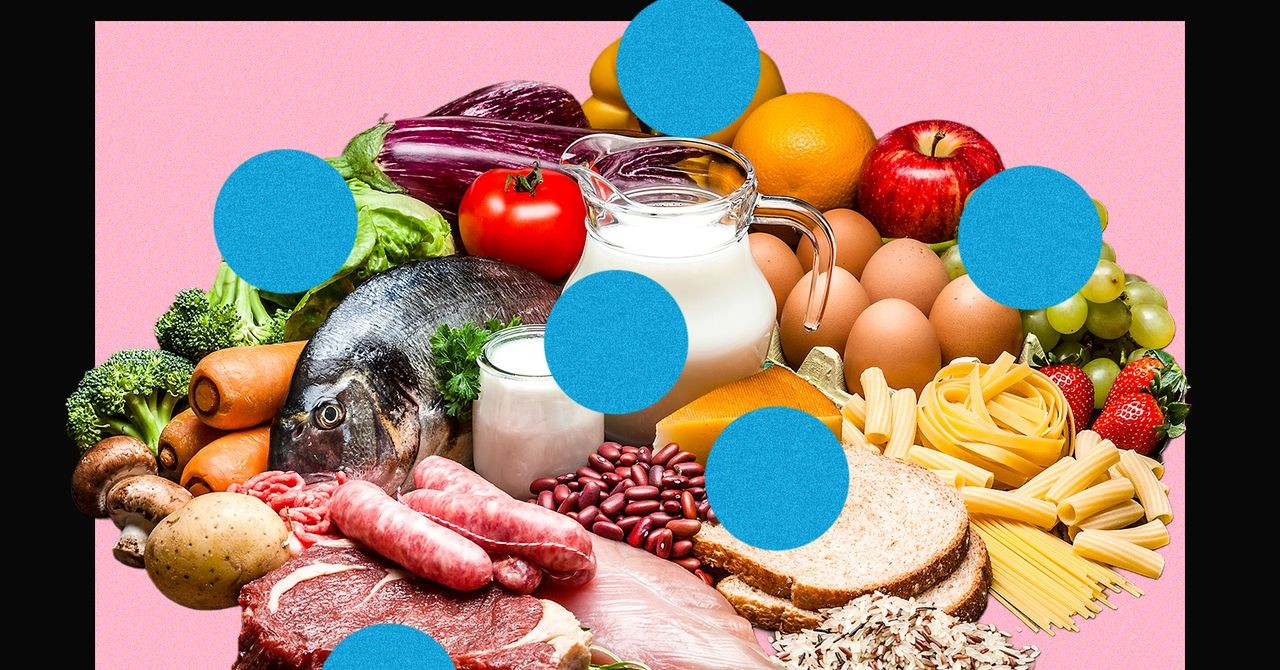
Many people struggle to keep track of what they eat, especially those juggling busy lives like parenthood. Recent food-tracking apps, powered by AI and computer vision, promise to fill this gap and promote healthier habits. After testing several popular options—BitePal, Hoot, Lose It!, and MyFitnessPal—it’s clear that these tools offer significant benefits, but also have limitations.
The Core Benefit: Awareness and Accountability
According to Meridan Zerner, a registered dietitian, the primary advantage of these apps is increased awareness of eating habits. “People often underestimate their food intake by 20 to 50 percent,” she explains. By forcing users to log meals, the apps create accountability and encourage intentionality. This awareness can then translate into better dietary choices.
How They Work: Features and Costs
Most apps begin by collecting basic information: weight, height, and dietary goals (weight loss, maintenance, or gain). Some features, like detailed nutrient tracking and personalized coaching, require subscriptions ranging from $35 to $80 annually.
The apps also calculate daily calorie needs, though these recommendations vary significantly between platforms. Zerner points out that these calculations rely on equations that don’t account for individual factors like hormones, bone size, or genetics. A professional metabolic rate test provides more accurate results.
AI-Powered Analysis: Convenience vs. Accuracy
Several apps use AI to estimate calories by analyzing photos of meals. While convenient, this method proved inconsistent: one app estimated a Mediterranean bowl at 1,000 calories, while another reported a much higher figure. Users must verify ingredients and adjust estimates manually.
Beyond Calories: Nutrient Balance and Hydration
Food-tracking apps also highlight nutrient deficiencies and hydration levels. Registered dietitian Adee Levinstein emphasizes the importance of a balanced diet, not just calorie counting. “Are you eating consistently, avoiding deprivation? Are you getting enough nutrients and variety?” These apps can prompt users to address gaps in their diet, like insufficient fiber or water intake.
The Downside: Obsession and Perfectionism
For some, tracking can trigger unhealthy obsession. The author found herself fixating on calorie goals, reinforcing perfectionist tendencies. Levinstein warns against moralizing food choices. “There are no ‘good’ or ‘bad’ foods; we all need calories, carbs, proteins, and fats.”
Final Verdict: A Useful Tool, Not a Cure-All
While the author ultimately plans to use food tracking less frequently due to personal habits, Lose It! stood out for its detailed analysis, workout logging, and barcode scanning. The key takeaway is that these apps are just one part of a healthy lifestyle.
These apps provide a valuable snapshot of your diet, but they should be used as tools for learning and improvement, not rigid rules. Balance is key, and occasional deviations are normal.
Ultimately, food-tracking apps can be helpful for raising awareness and promoting accountability, but they should be approached with a balanced perspective. They complement, rather than replace, professional guidance and a sustainable approach to nutrition.