



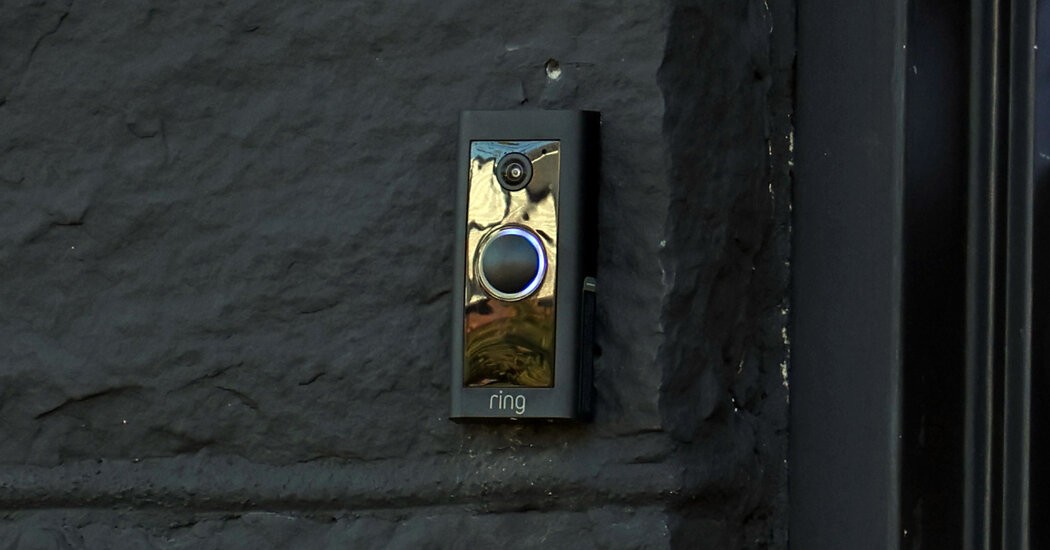
Amazon-owned Ring has terminated its partnership with surveillance technology firm Flock Safety following public backlash. The move comes just days after Ring aired a Super Bowl commercial depicting its doorbell cameras as tools for finding lost pets, a campaign critics called invasive.
The Abandoned Collaboration
Ring had planned to integrate its home security cameras with Flock Safety’s license-plate readers, enabling a feature called “Community Requests.” This would have allowed homeowners to opt-in to sharing their camera footage directly with law enforcement during investigations. The decision to end the partnership was announced on Thursday, with Ring stating its commitment to “strong privacy protections and transparency.”
The Super Bowl Ad and Public Response
The 30-second Super Bowl ad showed how Ring’s “Search Party” function could track a lost dog by cross-referencing images from neighborhood cameras. While marketed as a heartwarming tale, the commercial sparked outrage among privacy advocates who argued it normalized constant surveillance and data collection.
This controversy highlights a broader trend: consumers are increasingly wary of how tech companies are collecting and sharing personal data, especially when it involves law enforcement. The public’s discomfort with invasive tracking technologies is growing, as evidenced by the swift and negative reaction to Ring’s ad.
Why This Matters
The partnership between Ring and Flock Safety would have significantly expanded law enforcement access to private security footage. By allowing homeowners to voluntarily share data, the program skirted traditional warrant requirements while still providing police with a wealth of real-time surveillance.
The key takeaway: Ring’s reversal demonstrates that even major tech companies are sensitive to public perception when it comes to privacy. The company likely assessed that the long-term reputational damage from continuing the partnership outweighed the benefits of closer ties with law enforcement.
In the end, Ring has retreated from a controversial initiative, leaving unanswered questions about the future of private surveillance and its role in policing.


