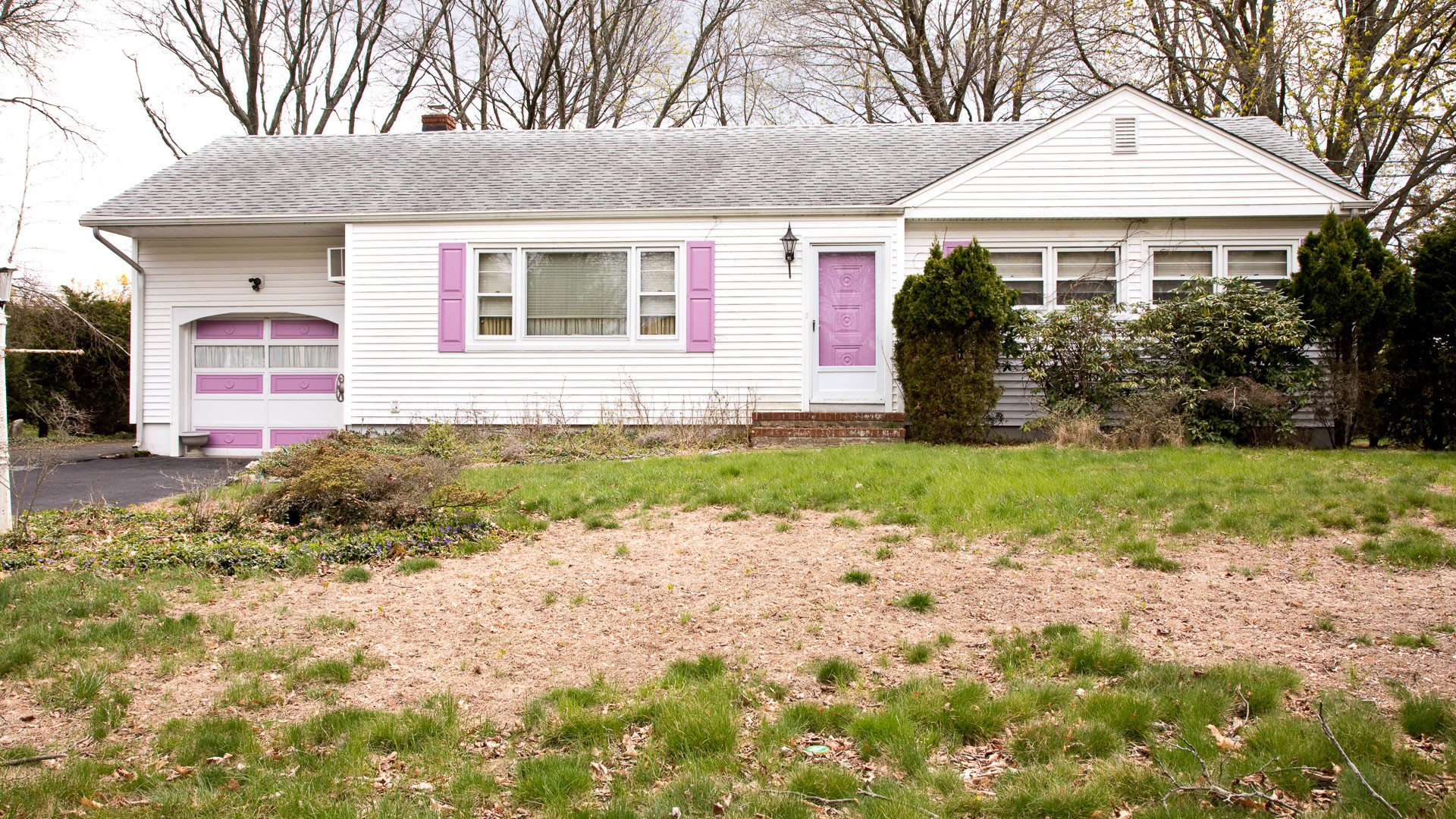
Buying a home is often the largest financial commitment most people make. However, in some regions, that investment carries a surprisingly high risk of purchasing a property with hidden, costly defects – what industry experts call a “lemon” home. These are houses plagued by significant structural, plumbing, electrical, or roofing issues that can quickly turn a dream into a financial and logistical nightmare.
The Rust Belt’s Hidden Risks
Recent data reveals that certain states consistently present a higher probability of buyers acquiring defective properties. According to an analysis by MovingPlace, which assigns a “lemon home risk score” from 0 to 100, the following states rank highest:
- Rhode Island (86/100)
- Ohio (81/100)
- Massachusetts (77/100)
- Connecticut (75/100)
- Iowa (72/100)
- New York (68/100)
- Pennsylvania (66/100)
- Indiana (65/100)
- West Virginia (65/100)
- Michigan (60/100)
The concentration of these states within the historic “Rust Belt” is no accident. This region, once a manufacturing powerhouse, is characterized by older housing stock. The median age of owner-occupied homes nationwide reached 41 years in 2023 – a ten-year increase since 2005, as reported by the National Association of Home Builders (NAHB).
Roughly half of all American homes were built in 1980 or earlier. While some sellers make cosmetic upgrades, these often mask underlying problems. Severe weather patterns in these states also accelerate deterioration over time.
Why Buyers Skip Inspections and Why It’s Risky
Despite the risks, a concerning trend has emerged: many buyers are forgoing home inspections altogether. In September 2025, 21% of buyers waived inspection contingencies, primarily due to competitive markets where they fear losing out on a property.
This is a gamble. While no inspection is foolproof, a qualified inspector can uncover significant issues that would otherwise remain hidden. State home inspection laws vary, but skipping this step leaves buyers vulnerable to unexpected repair costs and potential safety hazards.
“Waiving an inspection may seem strategic in a tight market, but the long-term financial consequences of buying a lemon property can far outweigh any short-term gains.”
The Bottom Line
The likelihood of purchasing a defective home is significantly higher in older housing markets, particularly those within the Rust Belt. Buyers should prioritize thorough home inspections, despite market pressures. Ignoring this due diligence can easily turn the dream of homeownership into a costly and stressful reality.