



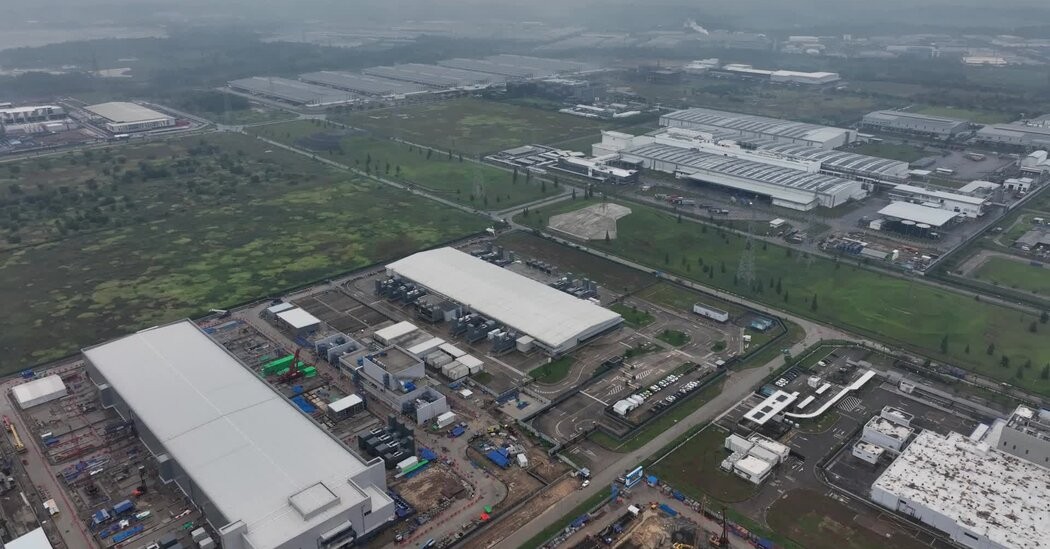
Microsoft, a leading advocate for water conservation, is now forecasting a dramatic increase in its water consumption as it expands its data center infrastructure to meet the demands of the artificial intelligence boom. The company’s internal projections reveal that despite earlier commitments to reduce water usage, demand is expected to more than double by 2030.
Initial Commitments vs. Current Reality
In 2020, Microsoft President Brad Smith publicly emphasized the critical importance of water conservation, promising to cut water use at its global data centers and invest in restoration projects. However, the rapid growth of AI technologies has driven a surge in data center construction, directly contradicting those earlier pledges. Initial forecasts from last year indicated water needs would triple by 2030, reaching 28 billion liters annually.
Revised Projections and Ongoing Expansion
Following scrutiny from The New York Times, Microsoft revised its projections to 18 billion liters by 2030—still a 150% increase from 2020 levels. This revised estimate notably excludes over $50 billion in recently signed data center deals, meaning actual water demand could be even higher. The company attributes the reduced projection to new water-saving technologies and improved facility data, but the underlying trend remains clear: AI expansion is driving increased water consumption.
Impacts in Water-Stressed Regions
The most significant impacts will be felt in regions already facing severe water scarcity. Microsoft’s projections for Jakarta, Indonesia—a city sinking due to aquifer depletion—initially estimated a quadrupling of water use by 2030, though the company later revised this figure down to a still-substantial increase. Similarly, in the drought-stricken Phoenix area, Microsoft previously predicted water withdrawals would exceed all other locations by 2030, although this estimate was also reduced by adjusting operational temperatures.
The Larger Trend
This shift highlights a growing tension between corporate sustainability goals and the resource demands of emerging technologies. The AI boom requires massive computational power, which in turn necessitates increased energy and water consumption for cooling data centers. While Microsoft claims to be implementing water-saving measures, the scale of its expansion suggests these efforts may not be enough to offset the overall increase in demand.
The company’s actions raise a critical question: can tech giants reconcile their public commitments to sustainability with the environmental realities of rapid growth in resource-intensive industries? The answer will likely determine whether AI development becomes a net-positive or net-negative force for global water security.


