
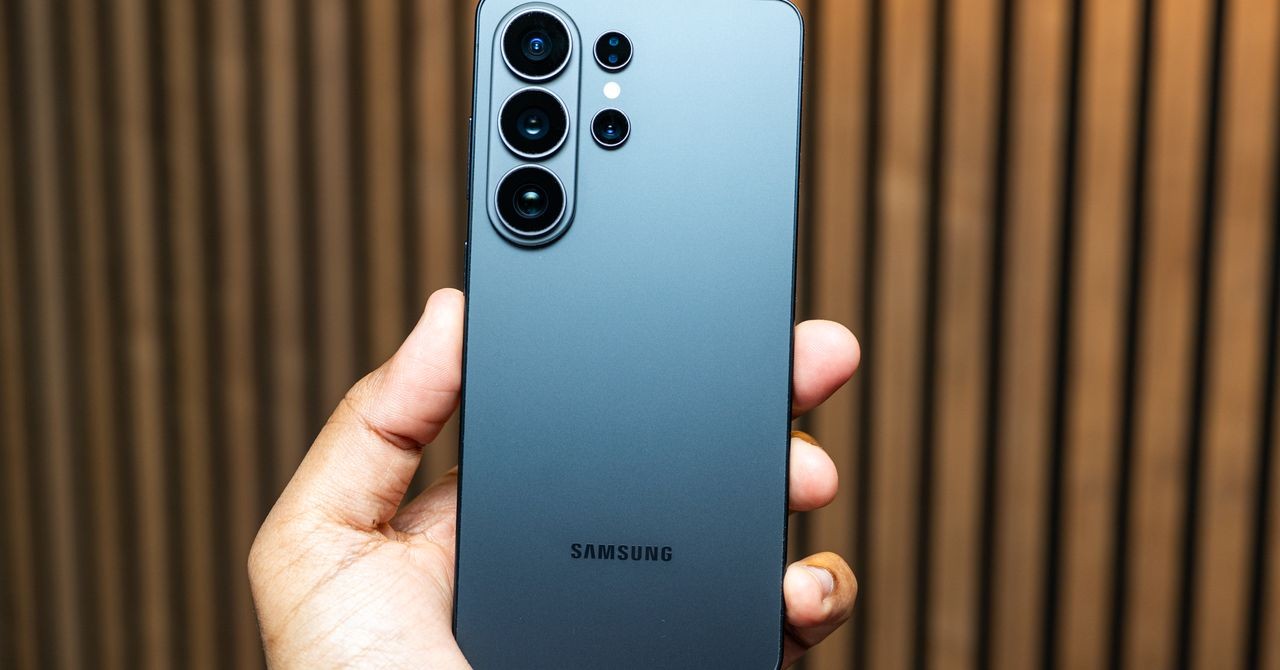
The modern smartphone has become an extension of our personal lives, but also a public window into our habits. The Samsung Galaxy S26 Ultra addresses this reality head-on with its new Privacy Display, a hardware-integrated solution that significantly reduces screen visibility from angles, offering a much-needed layer of discretion in public spaces. While the S26 Ultra isn’t a radical departure from its predecessors, this feature alone justifies an upgrade for users concerned about prying eyes.
The Privacy Display: A Game Changer
Samsung’s Privacy Display isn’t just a gimmick; it’s a practical innovation. Unlike stick-on privacy filters, it’s built into the screen, preserving brightness and image quality while making content nearly invisible to those beside you. Users can customize activation via software, setting it to engage automatically with sensitive apps like banking or messaging.
The “Max Privacy Protection” mode further enhances this by dimming side-view visibility, but at the cost of washed-out visuals. This is a trade-off: extreme privacy versus comfortable viewing. However, the core function remains effective without compromising usability. For those who share their screen occasionally, unlike traditional privacy filters, Samsung’s solution allows for flexible viewing angles.
Beyond Privacy: Incremental Upgrades
Beyond the privacy feature, the S26 Ultra offers iterative improvements over past models. The design now features rounded corners, a departure from the boxy aesthetic of recent generations, though the camera module still creates instability when placed on flat surfaces. Samsung continues to lag behind competitors like Google in adopting Qi2 wireless charging, forcing users to rely on proprietary magnetic accessories.
Performance is solid, driven by the Qualcomm Snapdragon 8 Elite Gen 5 chip. Benchmarks align with the OnePlus 15, and real-world gaming experiences are smooth, though marginally less optimized than iPhones. Thermal management has improved, distributing heat effectively to avoid localized hotspots. Battery life remains competitive with the 5,000mAh cell easily lasting a full day with heavy usage.
The Camera System: Versatile but Not Revolutionary
The S26 Ultra’s camera system is versatile, featuring wider apertures for improved low-light performance. The array of lenses – ultrawide, 3x optical zoom, 5x optical zoom, and the main 200MP sensor – provides flexibility for various shooting scenarios. However, Google’s Pixel 10 Pro still delivers superior color accuracy and dynamic range.
New features like Horizon Lock stabilize video footage even with extreme phone movement, making it ideal for action shots. The AI-powered Audio Eraser effectively removes background noise from recordings, enhancing clarity in noisy environments.
AI Integration: A Mixed Bag
Samsung’s AI suite, powered by Gemini, is ambitious but inconsistent. Some features, like the document scanner and call screening, are genuinely useful. Others, such as the Now Brief widget and Now Nudge, feel underdeveloped or redundant.
The integration of Gemini into task automation is promising, allowing voice commands to book Ubers or order food. While imperfect – misspellings and misinterpretations occur – it hints at a future where AI handles mundane tasks seamlessly. Users should proceed with caution, as granting AI complete app control raises privacy concerns.
Conclusion
The Samsung Galaxy S26 Ultra delivers a refined smartphone experience, but the Privacy Display is its standout feature. It addresses a growing concern in the digital age while maintaining usability. While other aspects are incremental improvements, the S26 Ultra remains a compelling choice for users who prioritize privacy and demand a premium Android experience.