
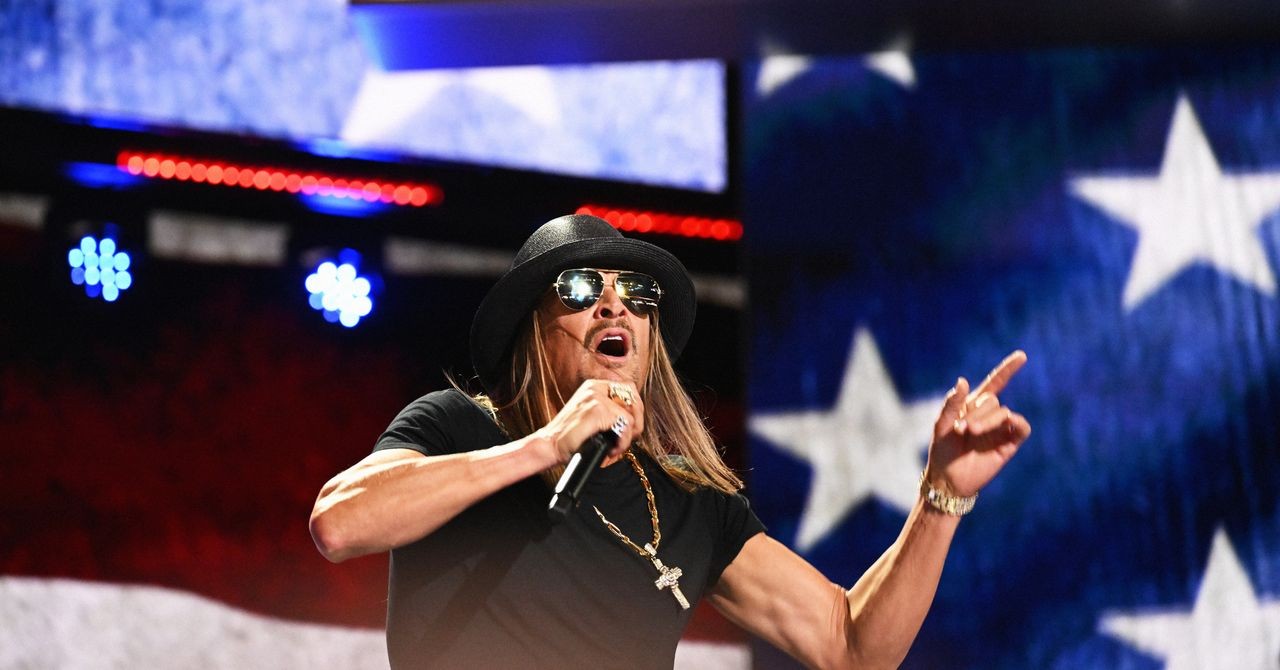
Turning Point USA (TPUSA) staged an alternative Super Bowl halftime show on Sunday, featuring country artists and culminating in a performance by Kid Rock, in what was a deliberate contrast to Bad Bunny’s main event. The event, dubbed “The All-American Halftime Show,” was streamed on platforms like Rumble and DailyWire+ and drew an estimated 5 million live viewers, according to TPUSA producer Blake Neff.
A Culture War Statement. The show was framed as a response to Bad Bunny’s performance, which included Spanish-language lyrics and was seen by some as a challenge to American cultural norms. TPUSA’s event featured artists aligned with MAGA politics, including Brantley Gilbert, Gabby Barrett, and Lee Brice, with Kid Rock headlining.
Limited Reach, Polarizing Response. While the Super Bowl itself drew an audience of up to 130 million, TPUSA’s show remained a niche event. Former President Trump criticized Bad Bunny’s performance on his Truth Social platform, calling it “terrible” and “disgusting.” The Democratic party responded by mocking Trump’s preference for Kid Rock.
Controversial Content and Timing. The livestream included lyrics referencing law enforcement and gender politics, with Lee Brice performing a song that questioned societal norms around gender identity. The event coincided with the release of documents related to Jeffrey Epstein’s criminal investigations, which resurfaced past lyrics from Kid Rock containing references to underage girls.
Political Positioning. The event was promoted by figures like Robert F. Kennedy Jr., and conservative commentators hailed it as a victory for right-wing media. Some attendees, like professional gambler Amanda Vance, chose to watch the TPUSA show instead of the main Super Bowl performance.
Aftermath and Controversy. Kid Rock released a studio recording of a song performed during the show, while his past lyrics resurfaced online. The event also came amid recent cancellations of Kid Rock concerts due to political backlash.
The TPUSA halftime show served as a stark demonstration of culture-war politics, highlighting the deep divisions within American entertainment and political discourse.
The event underscored the growing trend of alternative media platforms catering to specific ideological audiences and the willingness of political figures to engage in direct cultural clashes.