
The tech landscape is a blend of aggressive discounts, geopolitical tensions, and the relentless march of product cycles. Recent developments show how consumers can save while corporations and nations shift strategies.
Discount Frenzy: April 2026’s Biggest Deals
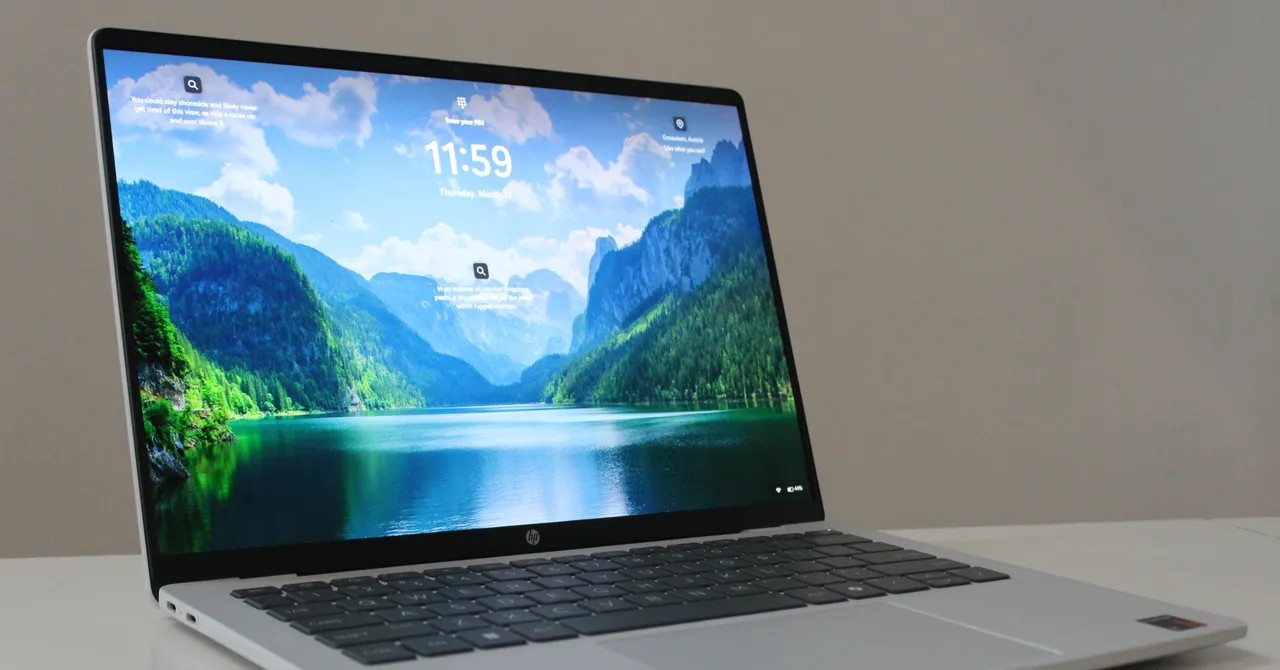
Retailers are slashing prices on key products. HP’s OmniBook 5 is positioned as a MacBook competitor at half the price ($500), offering a compelling alternative for budget-conscious buyers.
Alongside this, major brands are running deep promotions:
– HelloFresh offers up to 55% off with coupon codes.
– Home Depot has appliances and tools discounted by up to 50%.
– Chewy provides $20 off first orders plus other pet-food deals.
– Skullcandy slashes prices on headphones, including the Crusher Evo.
– Dyson has 25% off vacuums and Airwraps.
– Castlery provides furniture discounts and free shipping.
– DoorDash has promos for $25 off or free delivery.
– Samsung offers up to 30% off, including savings on Galaxy Z Fold7, Flip7, and S25.
These discounts reflect a broader trend of aggressive retail competition, with brands using promotions to maintain market share in an increasingly price-sensitive environment.
Geopolitical Risk: Iran’s Cyber Threat to U.S. Tech
Iran’s threats to target U.S. tech firms are a serious escalation of cyber warfare. This signals a growing willingness by state actors to disrupt critical infrastructure and corporate operations. The motivation is likely retaliation for sanctions and political pressure.
Such attacks raise concerns about:
– Supply chain security: Compromised software or hardware could infiltrate U.S. systems.
– Economic impact: Disrupted services could cost billions in lost revenue.
– International relations: Escalation could trigger a broader cyber conflict.
The Polymarket Paradox and Future Trends
Polymarket, a prediction market platform, held a pop-up event in DC. This illustrates the growing interest in decentralized finance and speculative trading. However, the event’s success is debatable, with questions about its long-term viability.
Meanwhile, Google’s Pixel 10 is $150 off on Amazon, showing how quickly flagship devices depreciate in value. This cycle of rapid obsolescence drives consumer demand but also generates e-waste and unsustainable spending patterns.
The combination of aggressive discounts, geopolitical instability, and speculative financial platforms underscores a chaotic yet dynamic market. Consumers benefit from price cuts, but risks remain high for both businesses and individuals.
The current environment demands caution, strategic shopping, and awareness of the broader forces shaping the tech industry.