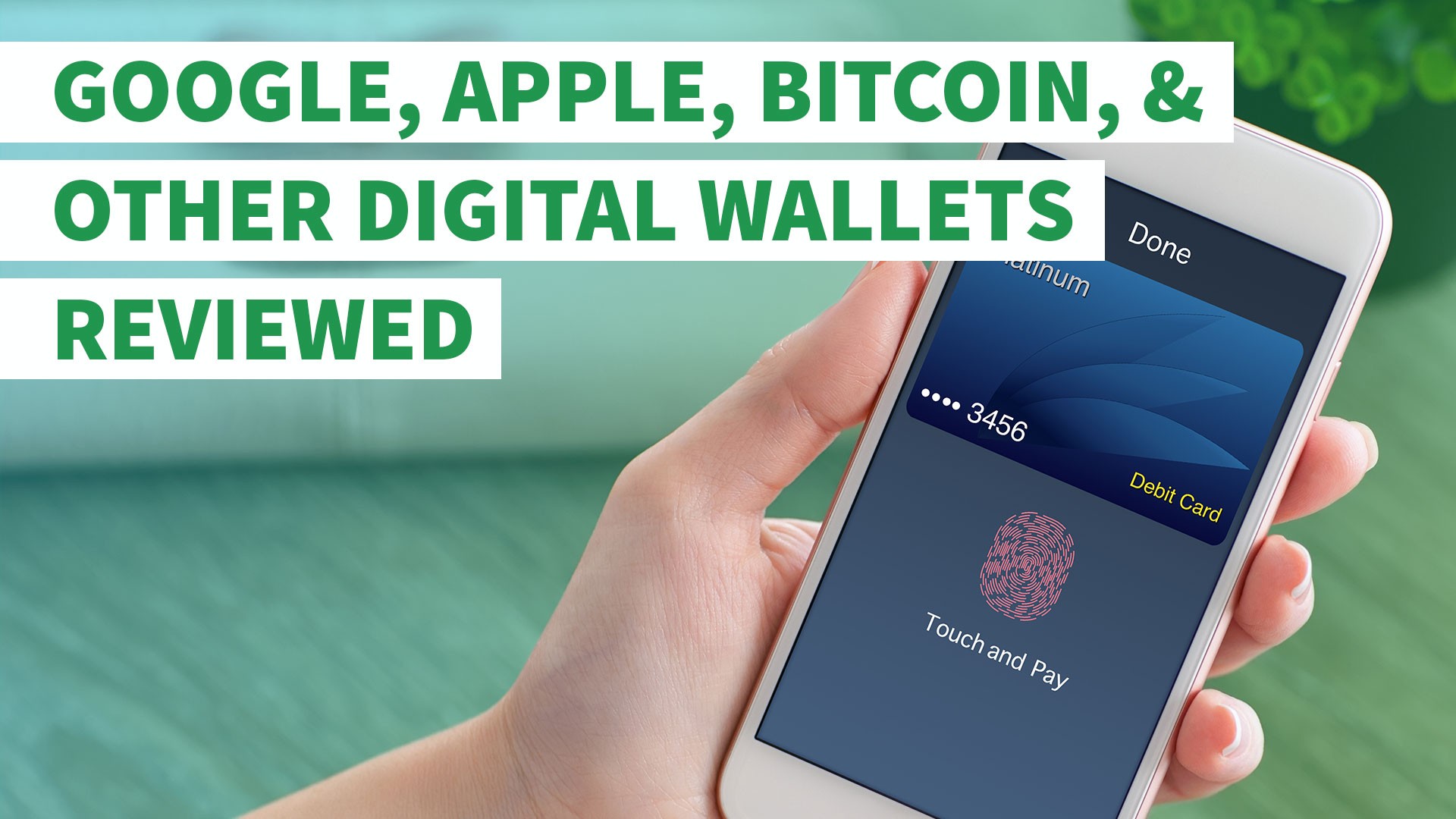
Digital wallets are rapidly becoming the standard for modern transactions. These systems, also known as e-wallets or mobile wallets, store your payment information securely on your devices, eliminating the need for physical cards or cash.
How Digital Wallets Function
Unlike traditional wallets, digital wallets hold your credit and debit card details electronically. A mobile app securely stores your payment methods and even other items such as IDs, loyalty cards, and travel tickets. When making a purchase, the system instantly processes payments from your linked bank account, debit card, or credit card, depending on your default setting.
This convenience means you can shop without carrying a physical wallet, using only your smartphone or other device.
The Three Types of Digital Wallets
Digital wallets fall into three main categories:
- Closed wallets: Restricted to specific stores or websites, such as Amazon Pay.
- Semi-closed wallets: Allow shopping at a select group of merchants that accept the wallet, like Apple Pay and Google Pay.
- Open wallets: Offer the broadest usability, enabling payments at almost any merchant, money transfers between users, and even banking tasks like ATM withdrawals.
Setting Up and Using a Digital Wallet
Setting up a digital wallet is straightforward:
- Choose a wallet: Most smartphones have built-in options, but you can also download third-party apps.
- Add payment methods: Link your credit cards, debit cards, or bank accounts via the app.
- Enable security: Use biometric authentication (fingerprint or facial recognition), PINs, or two-factor authentication for added protection.
Once set up, your wallet is ready for instant in-store, online, and peer-to-peer transactions.
Benefits of Digital Wallets
- Speed and Convenience: Instant payments in stores, online, or in apps.
- Enhanced Security: Encryption, tokenization, and biometric authentication protect your accounts.
- Reduced Card/Cash Reliance: Store multiple payment methods in one place.
- Rewards and Perks: Automatic application of cash back, discounts, and loyalty benefits.
Popular Digital Wallet Options
Many devices come with a pre-installed digital wallet, but alternative options include:
- Apple Pay: Accepted by roughly half of U.S. retail establishments, allowing Apple users to make purchases and send/receive cash.
- Google Pay: Compatible with numerous retailers and services like DoorDash.
- Samsung Pay: Works with almost any merchant due to its compatibility with credit card readers.
- PayPal: Primarily used for peer-to-peer payments but widely accepted by online merchants; instant transfers from linked debit cards may incur fees.
- Venmo: Mostly for person-to-person payments, with limited acceptance among online retailers.
Securing Your Digital Wallet
Before using a digital wallet, prioritize security measures:
- Enable biometric access on your smartphone’s lock screen (fingerprint or facial recognition).
- Remotely lock or erase your wallet if your device is lost or stolen.
Digital wallets are transforming how we manage money, offering a faster, more secure alternative to traditional payment methods. As adoption grows, these tools are becoming essential for modern financial transactions.