
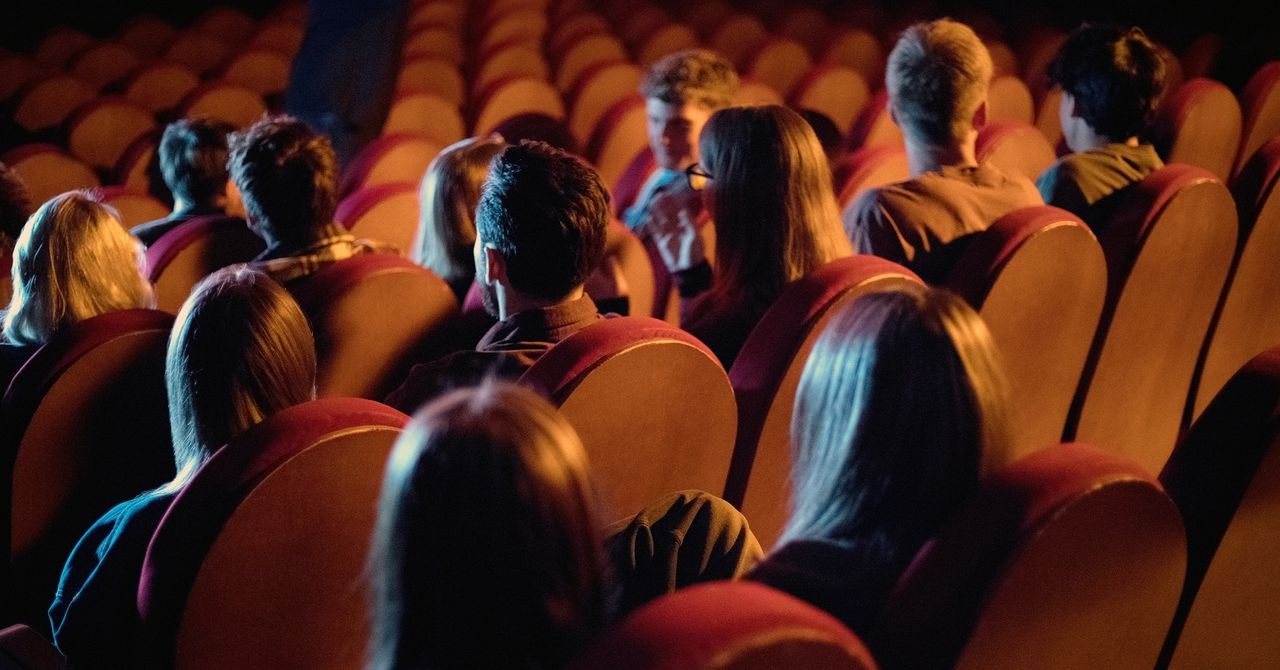
The human attention span is under siege. From frantic social media scrolling to the relentless pace of modern life, our ability to focus has been eroded. But a curious trend is emerging: people are deliberately subjecting themselves to extreme cinematic endurance tests. Recently, over 250 filmgoers in Manhattan voluntarily sat through Béla Tarr’s Sátántango, a 7.5-hour Hungarian epic, to confront this very phenomenon.
The Rise of “Slow Cinema” and the Attention Crisis
The film, a black-and-white study of a failing agricultural collective, isn’t just long; it feels long. Tarr uses extraordinarily lengthy shots – averaging 2.5 minutes each, compared to the few seconds typical in Hollywood. This isn’t accidental. This is part of a growing subgenre known as “slow cinema” designed to force contemplation rather than fleeting entertainment.
The timing is no coincidence. Reports increasingly warn of a widespread “attention-span crisis.” Parents are suing social media companies for allegedly hijacking their children’s focus with addictive algorithms, and educators lament that even standard-length films struggle to hold students’ attention post-pandemic. Some argue that streaming services now insert redundant plot points just to keep half-engaged viewers on the hook.
Why Choose to Suffer?
Tyler Wilson, a programmer at Film at Lincoln Center, explains that the appeal lies in shared discipline. “We’ve weakened the muscle of sustained attention,” he says. “This offers an opportunity to sit, not look at your phone, not chit-chat.” The experience is deliberate, almost ascetic.
The impact is visceral. Sitting through such a prolonged film reshapes perception. Details become hyper-visible – raindrops on collars, the slow decay of a setting sun. Minor irritations, like rustling snacks or buzzing smartwatches, become intolerably distracting.
Beyond the Trend: A Search for Meaning?
The act of enduring Sátántango isn’t just about resisting distraction; it’s about reclaiming the capacity for deep engagement. The film demands patience, forcing viewers to inhabit a different temporal rhythm. Lexi Turner, who teaches slow cinema at Marymount Manhattan College, emphasizes that these films stress the inherent worth of spending time with an image or experience.
The experience also offers perspective. Complaining about a long movie feels absurd when compared to the hardships depicted in the film itself – the brutal realities of a Soviet-era farming collective.
A Countertrend?
Wilson notes that audiences are seeking out these experiences. Sátántango screenings sold out quickly, with additional shows added due to demand. He believes this suggests a backlash against the fractured attention economy. “People do have attention,” he says. “They just don’t have many places where they can use it.”
Ultimately, watching a 7.5-hour movie is a niche act of defiance. It’s not about proving something or earning bragging rights; it’s about choosing to reclaim a lost skill in a world designed to erode it. The audience attending the screening was rapt, hanging off every slow pan of the camera, every trudging footfall through the mud.