The 2026 Winter Olympics in Milano Cortina are not just about athletic prowess. Beyond the competitions, a mix of consumer trends and niche products are gaining attention, from high-end resales to viral blankets. This reflects how major events amplify consumer behavior, driving demand for everything from luxury goods to practical tech.
Olympic Souvenirs and Resale Markets
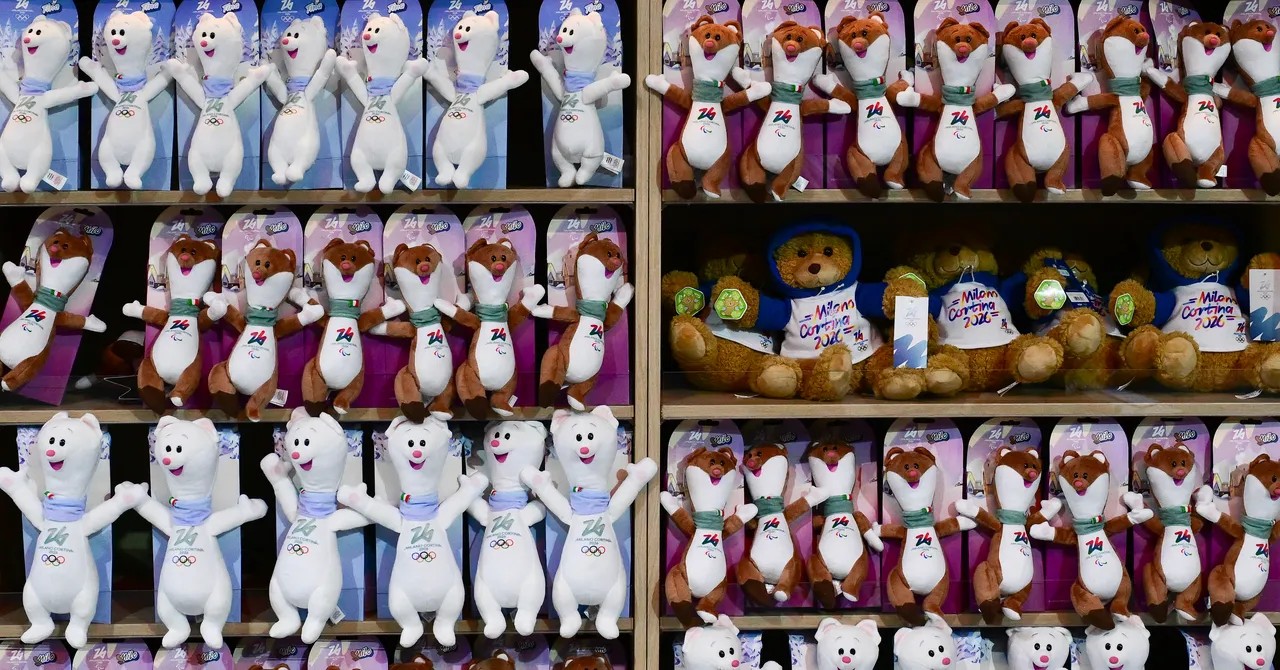
Souvenirs from the 2026 Winter Olympics are already appearing on resale platforms, with some items fetching high prices. This trend is driven by collectors and fans seeking limited-edition memorabilia, highlighting how sporting events create instant collectibles. The resale market thrives on scarcity and demand, proving that even Olympic merchandise can be a valuable commodity.
Adaptive Athletes and DIY Prosthetics
Paralympian Monster Mike Schultz exemplifies the self-reliance of athletes. His practice of repairing his own prosthetics before competitions underscores a critical reality: adaptive athletes often navigate equipment challenges independently. This DIY approach speaks to the resourcefulness required when specialized gear is either expensive or difficult to acquire quickly.
Cultural Quirks: Bidets at the Olympics
The presence of bidets in Italian bathrooms is causing confusion for some international visitors at the Milano Cortina Games. This seemingly minor detail reveals a cultural gap between regions where bidets are standard and those where they are rare. It’s a reminder that even global events can highlight everyday differences in infrastructure and customs.
Deals and Discounts: Consumer Spending Around the Games
Alongside the athletic competitions, consumer spending is surging. Discounts on products like Vitamix blenders, Brooks running shoes, and Lola blankets are being heavily promoted. This suggests that businesses strategically capitalize on high-visibility events to drive sales, offering limited-time deals to attract shoppers.
Tech Innovations: Smart Home and Wearable Tech
New battery-powered smart smoke alarms (like Kidde’s Alexa-enabled model) are gaining traction, showcasing the integration of home automation into daily life. The trend towards wireless, connected devices is expanding, with major brands like Ring collaborating to offer smart security solutions.
Exoskeletons and Human Performance
A head-to-head test of consumer exoskeletons from Dnsys and Hypershell demonstrates the growing interest in wearable robotics. The results highlight which exoskeletons perform best on athletic tracks, suggesting that these devices could soon enhance human capabilities in sports and beyond.
Luxury vs. Affordability: The Watch Dilemma
The debate between buying a single premium watch for $4,550 or a collection of affordable alternatives raises questions about consumer priorities. For some, luxury timepieces are status symbols, while others prefer diversification and cost-effectiveness. This dilemma reflects broader economic trends: the appeal of exclusivity versus the practicality of value.
Smart Gadgets: Automated Darts Systems
The introduction of auto-scoring darts systems for online play demonstrates the gamification of leisure activities. These systems automate scoring, streamlining the experience and catering to a growing market for digital entertainment.
Sleep Tech: Melatonin Sprays
Onnit’s instant melatonin spray is gaining traction as a sleep aid, offering an alternative to pills and tablets. The product’s ease of use taps into the demand for convenience in health and wellness, suggesting that sleep tech will continue to innovate beyond traditional methods.
The 2026 Winter Olympics are more than just a sporting event. They serve as a testing ground for consumer trends, tech innovations, and cultural interactions. From luxury resales to DIY prosthetics and smart home devices, the Games highlight how major events drive consumer behavior, shape product demand, and reveal broader societal shifts.