
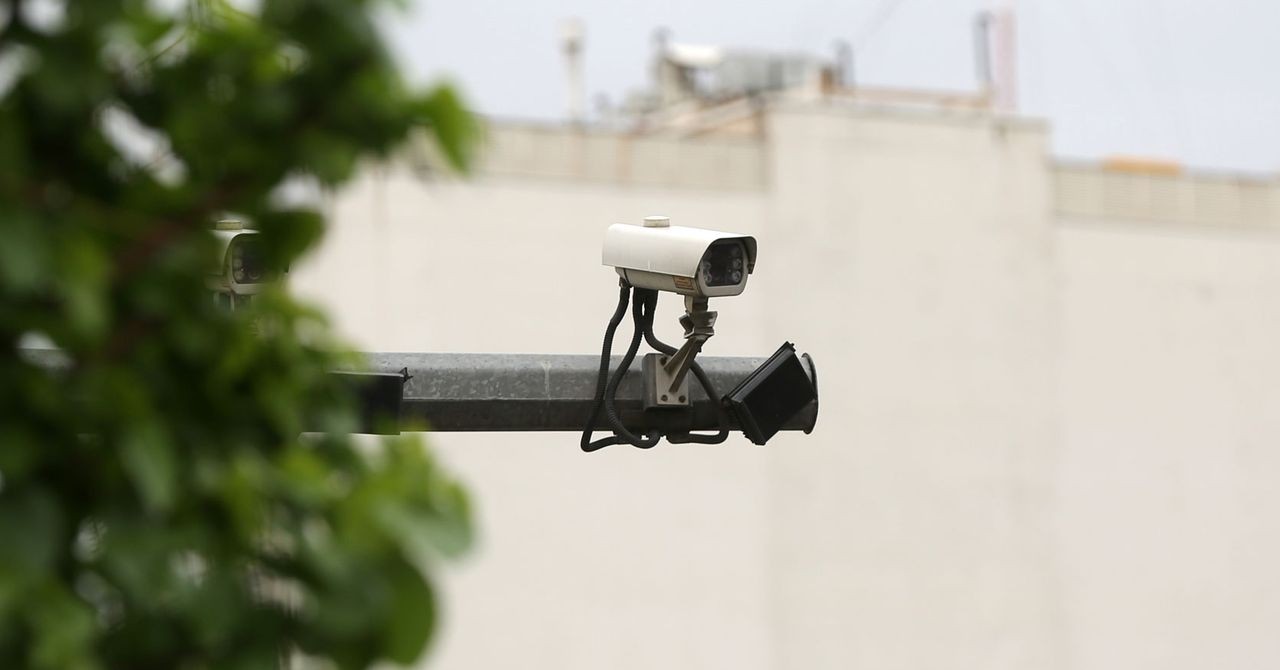
For decades, military surveillance relied on satellites, drones, and human intelligence. Today, a new, disturbingly accessible tool has emerged: the exploitation of insecure, internet-connected security cameras. From conflicts in Ukraine and Iran to ongoing tensions in the Middle East, hacking these everyday devices is rapidly becoming a standard military tactic.
The Rise of Camera Hacking as a Military Tool
The premise is simple: cheap, poorly secured cameras provide direct, real-time visual intelligence on potential targets. This eliminates the need for expensive satellites or easily detectable drones, offering a discreet and high-resolution alternative. Sergey Shykevich of Check Point notes, “Now hacking cameras has become part of the playbook of military activity… it’s easy and provides very good value for your effort.”
Recent research by Check Point highlights hundreds of hacking attempts targeting cameras across the Middle East, coinciding with Iran’s retaliatory strikes against Israel, Qatar, and Cyprus. These efforts, attributed to a hacker group linked to Iranian intelligence, demonstrate a clear intent to leverage civilian surveillance for military purposes.
Precedent and Escalation: Ukraine, Iran, and Israel
Iran isn’t alone in adopting this strategy. The Israeli military reportedly accessed “nearly all” traffic cameras in Tehran, using them in partnership with the CIA to target high-value individuals. In Ukraine, both Russian and Ukrainian forces have engaged in camera hacking: Russia to target strikes, and Ukraine to monitor troop movements and even assess the damage from its own attacks.
The Financial Times reported that Israeli intelligence used hacked traffic cameras to study the routines of security personnel around Ayatollah Ali Khamenei before an assassination attempt. The key takeaway? Hacking civilian cameras is no longer a fringe tactic, but a core component of modern warfare.
Why This Matters: Accessibility and Persistence
The vulnerabilities exploited are not new; many have been patched in software updates years ago. The problem lies in the fact that camera owners rarely install these updates, leaving devices exposed. This makes the tactic remarkably effective, even for less sophisticated actors. Hikvision and Dahua, two major manufacturers, are effectively banned in the U.S. due to security concerns, yet their products remain widespread globally.
The low barrier to entry is crucial. As Peter W. Singer of the New America Foundation observes, “The adversary’s already done the work for you. They’ve placed cameras all around a city.”
The Future of Civilian Surveillance in Conflict
The trend is clear: exploiting civilian infrastructure for military intelligence is becoming normalized. Ukraine’s SSU warned of Russian camera hacking in January 2024, even disabling 10,000 devices in an attempt to mitigate the risk. The Ukrainian military has also been observed using hacked cameras to monitor enemy movements, demonstrating a willingness to employ the same tactics.
The ease, cost-effectiveness, and stealth of camera hacking make it a dangerous and increasingly prevalent tool in modern warfare. This shift raises critical questions about civilian security, the responsibility of device manufacturers, and the future of urban surveillance in conflict zones.