




















With family gatherings and colder weather, holiday energy bills can spike. Fortunately, simple adjustments can significantly reduce costs without sacrificing comfort. Here’s a breakdown of AI-backed strategies to keep your budget in check this season.
Lighting Upgrades: Switch to LEDs 💡
Traditional string lights are energy hogs. ChatGPT recommends upgrading to LEDs, which use 75% to 90% less power. Solar-powered lights further reduce electricity reliance, while timers prevent lights from running unnecessarily. Candles or battery-operated options offer minimal energy consumption.
Thermostat Tweaks: Smart Temperature Control 🌡️
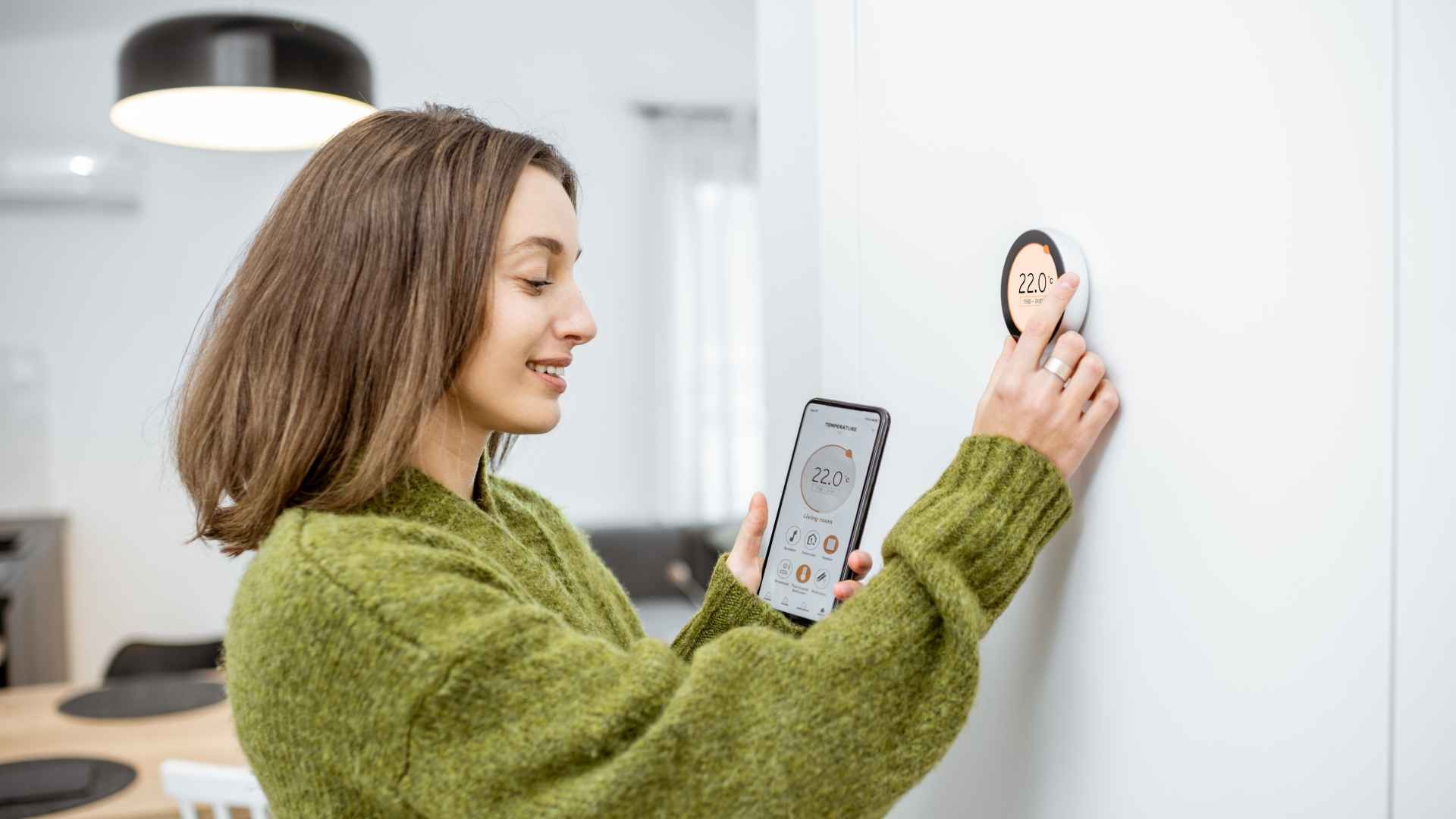
Even a 1-2°F reduction in thermostat settings can lower bills. Programmable thermostats are key: set lower temperatures during sleep or when the house is empty. The U.S. Department of Energy estimates 10% annual savings with these devices. Zone heating, focusing warmth on occupied rooms, maximizes efficiency.
Sealing Drafts & Insulation: Stop Heat Loss 🌬️
Cheap fixes can yield big savings. Check windows and doors for leaks, applying weather stripping or draft stoppers where needed. CNET notes weather stripping costs under $10 but delivers significant utility savings. Thermal curtains at night trap heat, while closing vents in unused rooms prevents wasted energy.
Appliance Efficiency: Cook Smarter, Wash Wisely 🍽️
Conserve energy beyond heating. Batch cooking on the oven or stove saves time and power. For smaller meals, use the microwave or slow cooker. Run the dishwasher only with full loads, using the air-dry mode.
Unplug Idle Electronics: Phantom Load Reduction 🔌
Unused devices drain power even when off. ChatGPT advises unplugging electronics not in use, including chargers, TVs, and gaming consoles. Neighborly estimates phantom loads account for 10% of utility bills, and plugged-in devices pose a fire hazard.
Long-Term Investments: Energy-Efficient Appliances 💰
Smart thermostats, LED fixtures, and Energy Star appliances may have upfront costs, but they pay off in lower bills over time. Induction cooktops and convection ovens cook faster and use less energy, ideal for frequent holiday meals.
Conclusion: Reducing energy consumption during the holidays is achievable through simple adjustments and smart investments. By upgrading lighting, optimizing thermostat settings, sealing drafts, and using appliances efficiently, you can keep your budget in check without sacrificing comfort. Prioritizing long-term energy-efficient upgrades will yield even greater savings over time