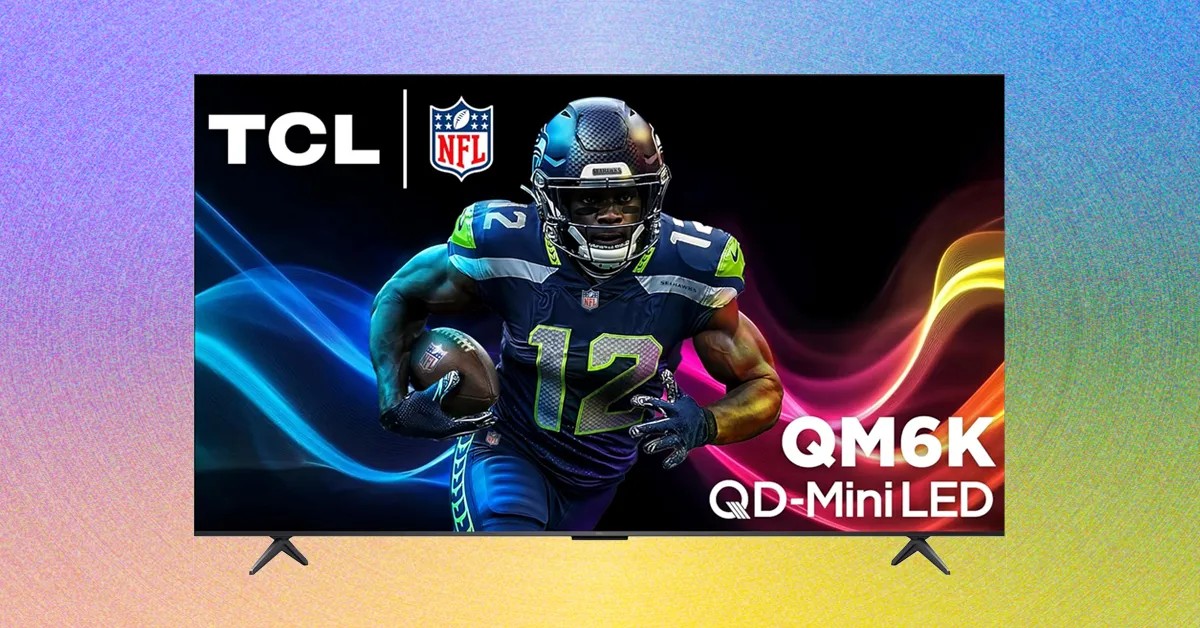
Demand for larger televisions has surged in recent years, with manufacturers like Samsung, LG, TCL, and Sony responding by rapidly expanding their big-screen offerings. This trend is driven by consumers prioritizing immersive home entertainment experiences. While budget options exist, selecting the right large TV requires careful consideration of display technology, price, and practical setup challenges.
Why Bigger Is Better (And Why It Matters)
The shift toward larger screens—75 inches and above—isn’t just about bragging rights. Advances in display technologies like OLED and miniLED now deliver genuinely superior picture quality at these sizes. Previously, scaling up could lead to noticeable pixelation or reduced clarity. Today’s high-resolution panels and processing power ensure sharp, vibrant images even on the largest screens. This trend highlights a broader shift in how people consume media; the home theater experience is now a primary focus for many, rivaling or surpassing traditional cinema visits.
Key Technologies and What to Look For
Several technologies dominate the large-screen market:
- OLED: Known for perfect blacks and incredible contrast. OLED TVs deliver a premium viewing experience, but typically come at a higher price.
- MiniLED: Combines the benefits of LED backlighting with precise local dimming, improving contrast and brightness without the burn-in risks of OLED.
- LED/LCD: Still the most affordable option, but quality varies drastically. Look for models with full-array local dimming for better picture performance.
The best choice depends on your budget and viewing habits. If you prioritize picture quality above all else, OLED is the way to go. If you want a balance of performance and cost, miniLED is a strong contender.
Practical Considerations: Setup and Installation
Large TVs are…large. Setting them up safely requires help. Attempting to mount or even move a 75-inch or larger TV alone is risky. Enlist at least two, preferably three, strong assistants to avoid injury or damage to the screen.
Additionally, larger TVs often command higher prices, even within the same model range. What might be considered “affordable” in the context of a 65-inch TV will likely be significantly more expensive at 85 inches or larger.
The growth of the big-screen TV market underscores a fundamental change in entertainment preferences. Consumers are investing in immersive home experiences, and manufacturers are delivering with increasingly sophisticated technologies.
The best large TVs combine cutting-edge display tech with practical design. By understanding the key features and preparation needed, you can enjoy a truly cinematic experience in your living room.