

There is a clicking sound from the heater. The thermostat rises. Then you realize it. It’s not just your electricity bill that goes up. It jumps.
This isn’t a glitch in your budgeting. This is a combination of seasonal demand, equipment efficiency and market volatility. You aren’t imagining the cost increase. You’re watching it in real time.
The only way to stop it from eating your disposable income is to understand the mechanisms behind the increase. Before you rush to switch providers or live in the dark, check these five areas. Let’s start with one thing that most people ignore until it’s too late.
Check the payment structure first
Price variation. They always are. At the beginning of 2025, some regulatory tariffs were reduced. But if you look closely at your statement, you might see a different story. Adjustments made months ago or hidden tax changes can bleed into your current total. Even if usage remains the same, price increases can hits hard.
Why is this happening? Production costs shift. Supply chains are tightening. Global market volatility. National policy changes ripple through to your meter. When considered individually, the increase in unit prices seems small. Multiply this by the hundreds of kilowatt-hours spent on heating, and the number becomes painful.
Key Question: If you can pay for stability, you can probably pay for volatility.
See your final bill. Does it say “regulated tariff” or “indexed price”? Indexed means riding the waves of the market. If the market goes up, so will you. With a Fixed rates, the price is fixed for a fixed period of time. Protects you from sudden jumps.
If you have a variable contract, consider switching to a fixed price offer. It limits your risk. Compare current offers from suppliers. Don’t just accept default renewal. Shop around. Find an rate that matches your risk tolerance.
Check your heating system
Your heater is probably the biggest consumer of energy in your home. If you operate inefficiently, you will pay the price in waste. Old filters restrict air flow. Dirty coils force the system to work harder. A system in poor condition must burn more electricity to produce the same amount of heat.
Check the air filter. If it is grey, replace it. Remove debris from vents. These are minor but effective fixes. If your system is more than 10 years old, it may be out of date. Modern heat pumps and high-efficiency furnaces consume much less energy for the same output. The initial costs are high. The long-term savings are real.
Audit Your Appliances
You might think the heater is to blame. This is usually the case. However, other devices will quietly add to your bill. Old refrigerators compress constantly. The water tank can maintain a high temperature even when the water heater is not in use. The standby power consumption of televisions, computers, chargers, etc. add up.
Unplug devices you don’t use every day. Use a power strip for your entertainment center. Turn it off when not watching. Check the refrigerator seals. If a dollar bill slips out when you close the door, the seal is faulty. An air leak means that cold air is escaping. The motor runs longer. You pay more.
Check insulation and windows
Heat escapes through the gaps. Drafty windows let cold air in and warm air out. Heat gets into the attic and walls due to insufficient insulation.
Why heaters have the biggest impact on your wallet
Winter doesn’t just change the weather. It changes your electrical load. Heating systems are a major source of energy consumption in most homes. This is a common suspect if your bill goes up. These devices are always on. This use is not only increasing in poorly insulated homes. It grows exponentially.
You need to check your habits. Do you leave the thermostat on high all day? Are you heating an empty room? The fix isn’t magic. This is an adjustment. Program your heating to match your schedule. Keep the living area at around 19°C. Lower the temperature in your bedroom to 16°C. Use thick curtains to trap heat. Small changes matter.
Inadequate insulation can drain your energy faster than expected
Poor insulation can make the heating system work overtime. Heat is lost through the walls. roof. Windows. Floors. The system compensates by using more energy to keep you comfortable. It’s expensive.
Pay attention to the signs. There is a draft near the window. cold walls. Excessive condensation. These are more than just a nuisance. These are signs of significant heat loss. If you can’t do a big renovation, start small. Use draft stoppers. Apply insulating film to the windows. Lay down thick rugs. These temporary solutions can help reduce energy waste when planning a major change.
Aging household appliances are silent energy vampires
Old appliances don’t just break down. They inefficient. fridge. freezer. washing machine. dryer. These are often hidden cost factors in your monthly expenses. Older models have lower energy efficiency. They run longer. They compensate for inefficiency by increasing consumption.
Audit your appliances. Check the energy label. Clean the filter and coil regularly. If the coils get dirty, the refrigerator work harder. If a change is necessary, prioritize energy efficiency ratings. A+++ class models consume 50% less power than older models. The initial costs are higher. The long-term savings are real.
Is the thermostat eating up your budget?
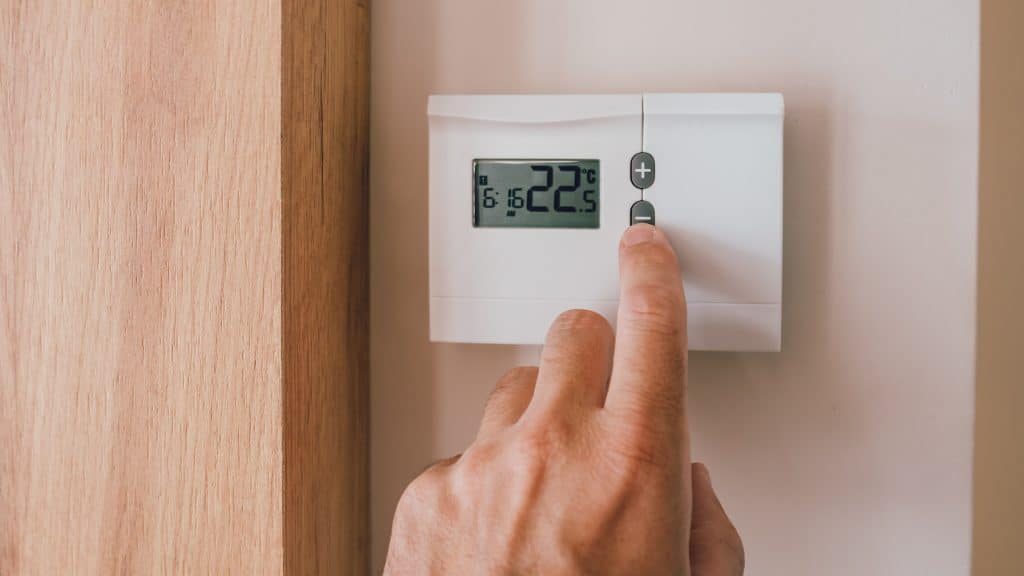
Most people set their thermostat and forget about it. This is wrong. Heating an empty house is a waste of money. Program it. Lower the temperature when you go out or sleep. Raise it only when you need it. Combine this with well-insulated and well-maintained equipment. The result is cost savings without compromising comfort.
Consistency is key. Don’t let the heater get out of control. Don’t let the fridge struggle with dirty coils. Small actions add up. Winter tests your budget. Prepare by tightening up these areas. Save money. Less waste. All that remains is discipline.
Failure of Contract or Meter
Sometimes the problem isn’t how you use electricity. This is either a document or a box on the wall. A faulty meter records phantom usage. Or the new contract doesn’t work as promised. Have you changed your service provider recently? Check the fine print. Make sure the rates match what you signed up for.
If the numbers are incorrect, contact your supplier. Ask for a meter check. This is a valid request.
Install smart meters to understand anomalies in real time.
Don’t wait until you’re shocked by the bill.
Reduce waste
You have no power over the network. But you can control the outlets.
LEDs. Consumes 80% less energy than incandescent bulbs. Simple swap. Save a lot of money.
Unplug the vampires. Standby consumes silently. TV, game console, charger. They pull power even when “off”. An extension cord with a switch can be useful.
** Off-peak hours. ** If your contract has two pricing options, shift your load. Use your dishwasher or washing machine when electricity is cheapest. Usually late at night or early in the morning.
**Solar synergy. ** If you have a panel, align your habits according to the sun. Charge your electric car during the day. Use heat pumps during peak production times.
Winter reality
There are several possible reasons for this winter’s rise. Tariffs are going up. Additional heating time. Poor insulation.
Perform these checks. Identify leaks. Fix the habit.
Proactive management saves costs. It also reduces your carbon footprint. The network itself has not been made environmentally friendly. You have to opt in.