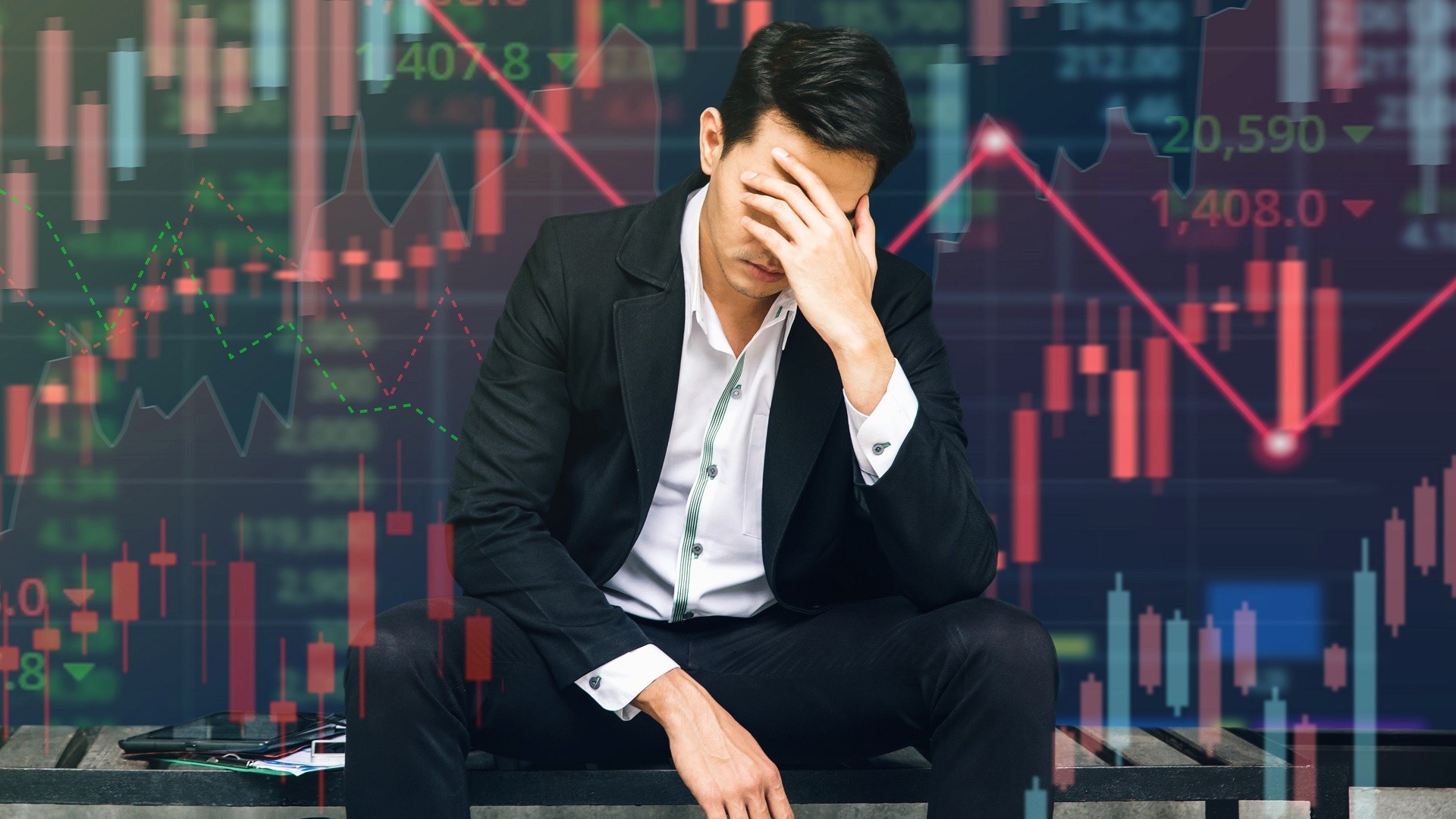
We all know the cost of living is a nightmare right now. Stocks are wobbly. It feels inevitable that things are going to break.
GOBankingRates says its editors aren’t bought by advertisers. They promise data-driven reviews. You can read their guidelines if you’re paranoid about bias. Mostly just noise though. The real story is what I asked an AI to predict.
Nobody has a crystal ball. But I wanted to know what the algorithm thinks.
Patterns That Lie in Wait
ChatGPT was surprisingly modest. No dates. No specific timelines. It knows better. But it did point out that crashes leave fingerprints before they strike.
Usually stocks run ahead of reality. Investors buy the hype. The optimism isn’t backed by actual profits. Sound familiar? Look at the AI boom right now. Prices are sky high but the money isn’t flowing through the doors yet.
Then there are interest rates. Higher rates make borrowing painful. Companies take risks they don’t understand to keep the lights on. Investors do the same thing. It’s a quiet pressure building beneath the floorboards.
Often a handful of mega-cap stocks props up the whole index. The rest are dying on the vine. We ignore the weakness until one thing snaps and exposes the rot.
Why It Looks Obvious Later
Hindsight is twenty-twenty. That’s a cliché for a reason. Markets look “expensive” and “complacent” right before the fall. But nobody wants to hear it at the time.
Rising prices feel good. Confidence replaces caution. We talk our way out of danger signals until the ground gives way. Only then do the charts make perfect sense. Why? Because loss hurts more than gain feels good. Human nature.
The Checklist For Doom
Instead of a calendar prediction the AI offered a risk profile. If you see these things the sky is darker:
- Stock prices are too high for their earnings.
- Debt-heavy companies are sweating under high interest rates.
- Credit gets tight. Liquidity dries up.
- Economic growth slows. Earnings get weaker.
- Panic replaces the party vibe.
The current view isn’t that a crash is today. It’s that the floor is thinner than it looks. Prices are still elevated compared to history. Borrowing isn’t cheap anymore. Bad news hits harder these days. The economy hasn’t collapsed but it’s fragile. Fragile things break.
No Schedule For Failure
Economists watch indicators. ChatGPT says to ignore them mostly. Politics can change overnight. Global events shift the mood.
Markets don’t crash on a timetable. They crash when they are fragile. That fragility can last for years. We might be walking on ice that looks solid.
So what’s the play?
Stop asking “when.”
Ask yourself “what if it happens tomorrow?”
Are you diversified? Do you have cash in the bank? Can you handle the dip without selling in a panic? Working with an advisor helps sure but preparation is the real skill.
Prediction is a game for fools. Readiness is the only edge.
Preparation matters more than prediction
That’s it really. No tidy conclusion. Just a market waiting for us to mess up. Or do better. Or nothing at all.