



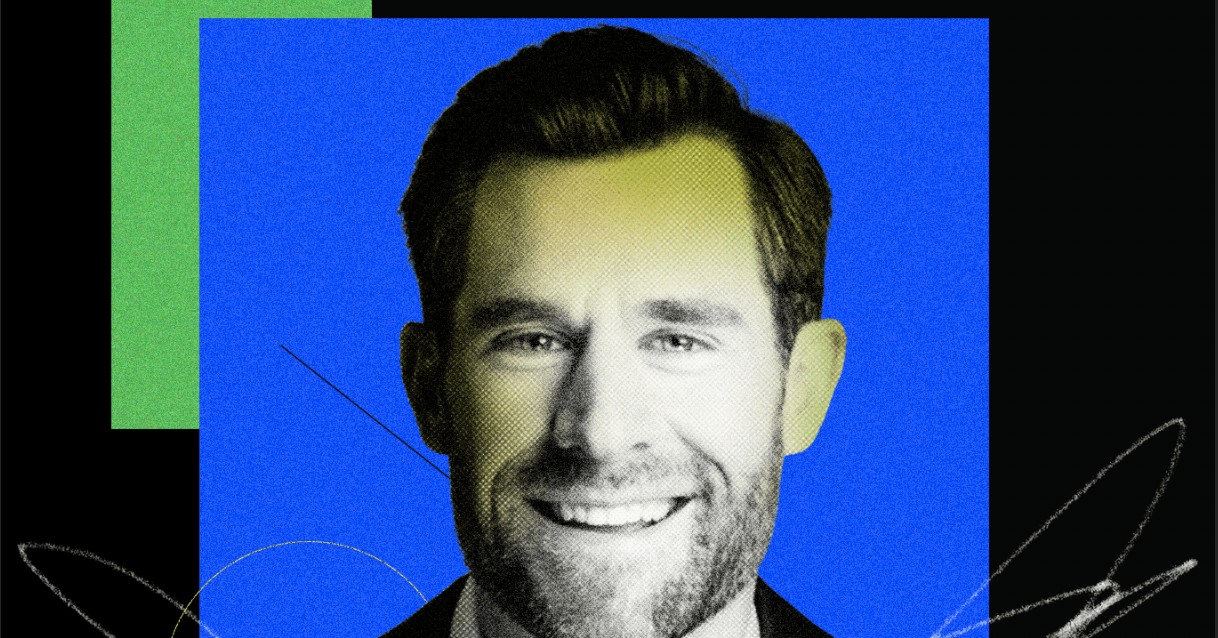
Devin Stone was once on the fast track to a conventional legal career. A graduate of high-level law firms, he was poised to climb the corporate ladder toward a partnership. Instead, driven by burnout, he turned to YouTube.
Today, Stone is known to millions as Legal Eagle, a digital legal analyst who has transformed a niche hobby—dissecting courtroom scenes in movies—into a massive platform for public service journalism. With nearly 4 million followers, Stone’s channel has evolved from “fluffy” entertainment into a critical resource for unpacking the complex, often unprecedented, legal battles defining modern American politics.
The Evolution of a Digital Educator
Stone’s content trajectory mirrors the shifting landscape of the American legal and political climate. His early success was built on the “fun” side of law:
– High-Integrity Portrayals: He praises shows like Better Call Saul for their attention to the “drudgery” of legal research and My Cousin Vinny for its accurate depiction of trial advocacy.
– Pop Culture Critiques: He often engages with “egregious offenders” in media, such as the legal inaccuracies found in reality TV, providing a bridge between entertainment and reality.
However, as the political landscape shifted, so did his mission. What began as a channel for legal trivia has morphed into a high-frequency news outlet. Stone and his team now publish up to five videos a week, driven by a necessity to explain high-stakes legal developments that mainstream media often fails to deconstruct in detail.
“Multiple Watergates Per Week”
The most striking aspect of Stone’s recent work is his assessment of the current political era. He describes a state of constant legal crisis, suggesting that the United States is experiencing “multiple Watergates per week.”
For context, the Watergate scandal of the 1970s served as a singular, defining moment of constitutional crisis. Stone argues that we are no longer facing isolated incidents, but a continuous “deluge” of legal and norm-breaking events. He identifies several recurring themes in this crisis:
- Institutional Erosion: The resignation of DOJ attorneys and the perceived politicization of law enforcement.
- Economic and Constitutional Conflicts: The administration’s refusal to honor Congressional appropriations for certain states, which Stone views as a direct assault on the power of the legislative branch.
- Executive Overreach: The use of federal agencies (like ICE or the National Guard) in ways that challenge traditional jurisdictional boundaries and civil liberties.
“I feel like lawyers are sort of the Cassandras here… we know what the law is, and if you have any knowledge of presidential administrations going back several decades, you understand how unprecedented this stuff truly is.”
The Risk of Normalization
Beyond the specific legal battles, Stone expresses a deeper concern regarding the psychological impact of this constant cycle of scandal. He warns of two primary dangers:
- Partisan Labeling: The tendency for observers to dismiss legitimate legal critiques as mere “partisan politics,” making it difficult to have objective discussions about the rule of law.
- Desensitization: The fear that younger generations, witnessing a constant stream of norm-breaking behavior, will come to view unprecedented actions as “politics as normal.”
Stone emphasizes that if these actions are not met with accountability—through truth, reconciliation, or legal consequences—the country risks a permanent “backslide” in its democratic foundations.
Conclusion
Devin Stone has leveraged the reach of YouTube to fill a vital gap in legal literacy, moving from entertainment to essential political analysis. His work highlights a growing tension between unprecedented executive power and the traditional frameworks of American law.


