The tech news cycle moves fast. Sometimes it screams. Sometimes it whispers. Here is what matters right now.
Samsung’s New Folding Form Factor
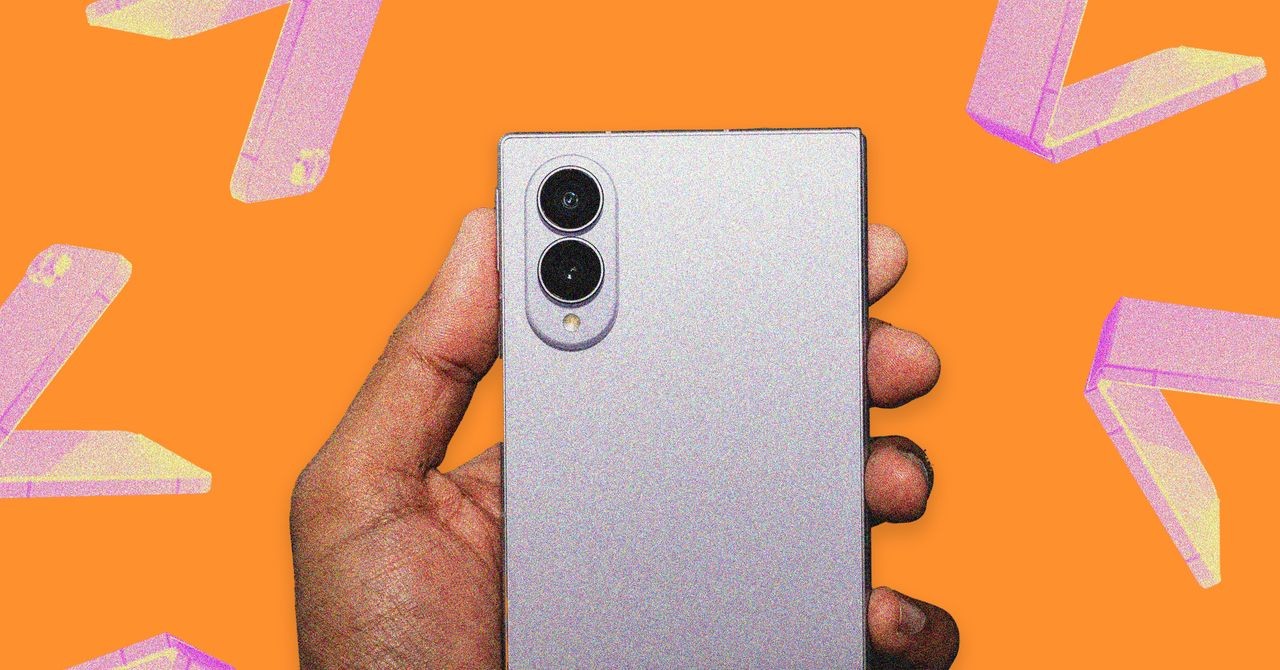
Samsung has been tinkering with the geometry of foldable screens for a while now. But the latest leak suggests a structural shift. Not just a thinner hinge. A different overall shape.
Why does this matter? Because the rectangular fold is hitting a wall. Users want phones that feel like phones. Not tablets that squish. The new design hints at a compromise between screen real estate and pocketability. It’s a direct response to fatigue with bulky, awkward devices. If the rumor holds, we’re looking at a form factor that prioritizes one-handed use without sacrificing the inner display’s utility. The industry is tired of gimmicks. Samsung is trying to make utility feel natural again.
The Hidden Cost of High-Speed Connectivity
While Samsung plays with shapes, other giants are fighting wars in the regulatory sandbox. The European Commission didn’t pull any punches this week. They slapped Google with a $1 billion fine. The reason? Prioritization.
The EU claims Google rigged the search results. Self-promotional apps and products got the top spots. Competitors got pushed to the dustbin of page two. It’s an old story. But the price tag is historic. It sends a message: self-dealing won’t pay off. Not in Brussels.
Trump’s EPA Proposal: A Green Light for Data Centers?
Politics and pollution are mixing again. The Trump administration wants to rewrite the rules of public engagement for polluters. Specifically, the EPA is proposing a shift that hands control to the states.
States would decide how much voice the public has on air pollution permits currently. Sounds bureaucratic? Look closer. This move would be a massive boon for data centers. These facilities are hungry. They need power. Often that power comes from fossil fuels. Less public oversight means fewer delays. Faster deployment. For the tech sector, it’s a gift. For the communities breathing the smoke? Not so much.
America’s Hot Hybrid Summer
Gas prices are climbing. Drivers are panicking. Dealerships are sitting on piles of hybrids. And people are buying them. Fast.
It’s not just a trend. It’s a survival mechanism. Electric vehicles still carry range anxiety. Hybrids offer a middle ground. They burn less. They don’t require a charging station next to every bed. The demand is real. The supply chain is catching up. This summer might just define the next decade of American automotive culture.
The Dark Side of Adult Content and Immigration Politics
There is a strange new corner of the internet. It’s on X. It’s called MAGA-coded porn.
We’re seeing content that fetishizes ICE raids. White supremacy. Obedience to a rigid “natural order.” The audience is rabid. The comments sections are violent. It’s not just about sex. It’s about power. Fear. Control. The algorithms feed it. The users crave it. It’s a feedback loop of digital misery. And nobody is turning off the lights.
Google’s Face as Your Spare Key
Locked out of your account? You can use your face now.
Google is rolling out a new recovery feature. It uses a selfie video. Your face becomes the password. Or the key. Or whatever you want to call it. It’s convenient. It’s also a privacy nightmare. Biometric data is sticky. It’s hard to change if it leaks. You’re trading convenience for exposure. Choose wisely.
Banning Social Media for Kids: Why It Won’t Work
Parents are scared. Kids are glued to screens. The temptation to ban social media is strong. But it’s the wrong move.
The risks are real. Cyberbullying. Addiction. Exposure to harmful content. Banning kids from the internet doesn’t solve these. It creates new problems. Kids find workarounds. They go underground. Parents lose visibility. Instead of bans, we need education. Better tools. Active supervision. The internet is here to stay. So are our kids. We have to adapt.
Transparent Living: My Week With Apple’s ‘More Clear’
I pushed Apple’s iOS 27 beta. I cranked the transparency to the max. The result? Warped visuals. Glitchy interfaces. And strangely, enjoyment.
It’s called the ‘More Clear’ Liquid Glass setting. It looks like the screen is melting. Text blurs. Icons distort. It’s not stable. It’s not ready for prime time. But it’s