



We were taught from a young age that sharing is good. If little Billy wants your toy, give it to him. At the playground, the adults scolded me for not taking turns. This activity builds trust. It creates compassion. It unites society.
Now the internet has turned this childhood virtue into an economic powerhouse.
The sharing economy is more than just kindness. It is based on shared consumption. In traditional capitalism, you own your tools. You buy a car to drive it. You buy a lawnmower. This is personal consumption.
Collaborative consumption reverses this. A small number of people own property. Many people pay to use it. This is monetizing sharing. If your car is sitting in your driveway, its value will decrease. Why not make money by letting others use it?
How the digital trust infrastructure is evolving
The emergence of this industry did not happen overnight. Based on 25 years of technology.
1989: Tim Berners-Lee invents the World Wide Web. This creates a mechanism for sharing information.
1995: eBay launches a user-generated feedback system. Buyers and sellers get colored stars for positive reviews. Anonymous users like CarJunkie3895 build trust with these metrics.
1999: Napster popularized peer-to-peer file sharing. Users share MP3 files with an anonymous community. This normalizes the idea of sharing digital assets.
2000: Zipcar becomes America’s first car-sharing company. City residents rent cars by the hour. They avoid the hassle of ownership.
2004: Facebook dominates social networking. The user creates a profile. They are connected with friends. They publish content. This reflects real online social interaction.
2007: The iPhone is released. We offer more connections than ever before.
2007: Netflix made streaming video mainstream. Young Americans are no longer buying movies. Stream songs from Spotify and Pandora. They watch TV online. The concept of renting content is replaced by buying content.
Today’s platforms use these basics. Trust is built through Facebook profiles and eBay-style ratings. Physical meetings reinforce this. Your Airbnb host will give you the keys directly. Renters are more likely to return the car in good condition if they shake hands with the owner.
Trust has its limits. The company adds protection. They process payments. They handle complaints. This creates a formal safety net for peer-to-peer exchanges.
Explosive growth in visits
Since the launch of Airbnb in 2009, the market has grown explosively. Online companies now allow strangers to pay each other for short-term use of products. The list is long. That includes housing. car. boat. dog sitter office space. tool. Grocery store buyer. guide.
Venture capital is pouring billions of dollars into this space. The incumbent is nervous. Hotel sweat. Car rental companies are sweating. The taxi driver was sweating profusely.
Regulatory and ethical quagmire
This rise raises some troubling questions. Is a Facebook profile enough to trust someone with your apartment key? What is the line between personal and professional use? If you drive for money, are you a taxi driver? Do you need a special license? How do you balance general safety regulations and property rights?
Is this a healthy collaboration? Or is this another Silicon Valley bubble about to burst?
The dark side of algorithms
The sharing economy is not free from old prejudices. A study by two Harvard Business School economists shows this. They discovered racial profiling in online marketplaces.
African-American hosts on Airbnb pay about 12 percent less rent than non-black hosts. This reflects lower demand. Hosts post their pictures. The algorithm does not hide this information.
“These findings highlight the prevalence of discrimination in online markets and suggest that seemingly routine trust-building mechanisms have important unintended consequences,” the researchers note.
Additionally, unpublished research found that hosts were more likely to respond to guests with non-stereotypical African American names.
This technology enables connectivity. It does not eliminate prejudice. It just makes it visible.


The Real Valuations Behind the Hustle
The rhetoric of neighborly sharing masks a capital-intensive reality. By mid-2014, the financial stakes in the sharing economy were already astronomical. Uber held a valuation of $17 billion. That number eclipsed the combined worth of traditional giants like Hertz and Avis. Airbnb wasn’t far behind, sitting at over $10 billion. It outvalued hotel chains like Hyatt and Wyndham. The speculation around an initial public offering was constant. Venture capital firms like Google Ventures were already placing bets. Analysts debated whether these numbers reflected true value or just hype. The attention was undeniable.
Mapping the Sector Leaders
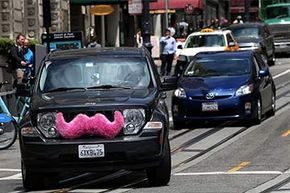
The landscape is segmented by utility. Transportation remains the most visible category. Uber started as a premium black car service for licensed chauffeurs. The launch of UberX opened the floodgates, allowing private car owners to operate as informal taxis. Lyft entered the space as a direct competitor. It positioned itself as a friend with a vehicle. The branding included a playful pink mustache.
Car sharing extends beyond ride-hailing. RelayRides functions similarly to Zipcar but allows owners to set their own daily and weekly rates for their personal vehicles. Boatbound enables the rental of boats from locals, offering options with or without a captain. In specific urban centers like San Francisco and Rome, MonkeyParking allows users to monetize idle parking spots.
Accommodation and Local Experiences
Accommodation is dominated by Airbnb. It connects property owners in 190 countries with short-term renters. The inventory includes everything from standard apartments to treehouses and castles. For more traditional stays, HomeAway and VRBO offer hundreds of thousands of listings.
Travel experiences have also been digitized. Vayable matches tourists with local guides. These hosts provide an insider perspective on their hometowns rather than standard tourist traps.
Borrowing Household Goods
The model of renting seldom-used items has found a niche. Zilok facilitates the rental of tools like drills and ladders. It also handles outdoor gear such as kayaks and tents. Streetbank operates in the U.K. and other regions with a different model. It focuses on the free sharing of goods and services rather than paid rentals.
Care and Dining
Pet care has become a tech-driven sector. DogVacay connects traveling dog owners with local sitters who host pets in their own homes. Rover allows users to search for sitters. The service accommodates care in either the owner’s or sitter’s home. It provides daily text and photo updates for peace of mind.
Food delivery introduces a twist on the gig economy. Instacart is not a pure sharing platform. It hires young workers to shop at stores and deliver groceries. This avoids the massive capital expenditure required for warehouses. It contrasts sharply with the defunct model of Webvan. Feastly, however, fits the sharing model more closely. It connects people with underground supper clubs. Home cooks and freelance chefs host meals for strangers in private residences.
Regulatory Friction and Market Evolution
The rapid growth of these platforms has triggered significant controversy. Regulatory bodies are struggling to classify these services. Are ride-share drivers employees or independent contractors? Are home hosts providing hotel services? These distinctions matter for tax collection and liability.
The future of this sector depends on how well these companies navigate legal hurdles. Investors remain cautious. They watch for regulatory crackdowns that could destabilize the low-cost labor model. The tension between innovation and established industry protection will likely define the next phase of growth.
Regulatory pressure on Airbnb and Uber
The sharing economy is not dead. It is simply taxed, licensed and regulated according to the traditional forms accepted by the industry. The future of platforms like Airbnb and Uber depends entirely on their ability to negotiate deals with federal, state and local regulators. These fledgling sites have operated in a legal gray area for years. Now the gray area is disappearing.
Hotels and taxi drivers are pioneers in this regard. Their appeal is simple. Professional operators purchase special licenses. They undergo safety inspections. they pay taxes. Sharers do none of that, but provides exactly the same service. Looking at the balance sheet, the competitive conditions seem distorted.
New York Crackdown on Airbnb
In New York, the crackdown has been specific and harsh. The state attorney general found that 30 percent of Airbnb listings in New York state offered multiple listings. This does not mean that the apartment owner rents out his spare room. That is landlords turning the entire building into an illegal hotel.
This distinction is important. When you rent a room in your own home, you share the space. If you list three accommodations in the same building, you are running a hotel without a hotel permit. The legal system has finally caught up with the business model.
San Francisco and Portland taxes
Cities like San Francisco and Portland have chosen a different path. They didn’t ban Airbnb. They have made it pay. Airbnb has agreed to levy a hotel tax on each rental. This closes a loophole that allows sharers to undercut traditional hotels.
Critics argue that this does not solve the fundamental problem. Landlords are still responsible for the decline in the long-term rental market. As landlords make more money renting out their homes to tourists through Airbnb, they are pull units off the housing market. This increases the prices for everyone else. This tax reduces unfair competition, but does not necessarily increase housing supply.
Uber and Lyft face local bans
Rideshare companies are in equally hot water. State regulators are furious, companies profiting from fleets of unlicensed and uninsured drivers. The regulatory authority’s reasoning is clear. If you drive for a living, you need insurance. You need a license. You need to pass inspections.
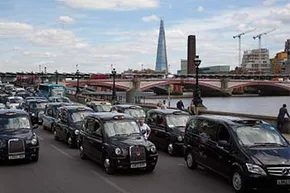
Cities from Brussels to Buffalo, New York have banned ride-sharing services from their streets. The bans are not just about safety. They are about protecting established taxi cartels. Proponents of Uber and Lyft argue that American cities are stuck in an outdated system. Taxi companies profit from limited competition. Ridesharing breaks this monopoly by lowering barriers to entry.
The Economic Context Matters
The sharing economy can be vulnerable if it relies on desperation. Some critics argue that people just share because they don’t have the money to buy anything. When jobs are scarce, people drive around picking up strangers for money. They list spare rooms because they need available rooms.
When the economy improves, will people opt for ownership again? The answer is probably yes. Sharing is often a cost-saving measure. As costs decrease, the incentive to share decreases. The sharing economy thrives in times of economic uncertainty. It struggles when prosperity returns.
Urban Centers Are Key
Cities with a lot of young, technically skilled and highly educated people are key to the sharing economy. San Francisco is ground zero. These platforms require a critical mass of users to operate effectively. In a small town, a single driver or a few hosts cannot sustain the market.
It remains to be seen whether smaller cities or rural areas are interested. In some places, you can borrow a weed whacker from a non-virtual neighbor for free. Digital platforms increase friction. It adds fees. Add complexity. Why use an app when your local community is already share things?
The Bottom Line
The sharing economy does not replace the regular economy. It is a parallel system. It survives by negotiating its place within existing regulatory frameworks. Airbnb

