
Silicon Valley hates regulation. Anthropic loves it. Or at least, the version of regulation they craft themselves.
Last year, the company threw its weight behind new transparency laws in California and New York. Big tech fought them, screaming that bureaucracy would choke innovation. Anthropic said let them in. But wait. It gets stranger. The company now claims those laws are obsolete. They want tougher ones. Faster.
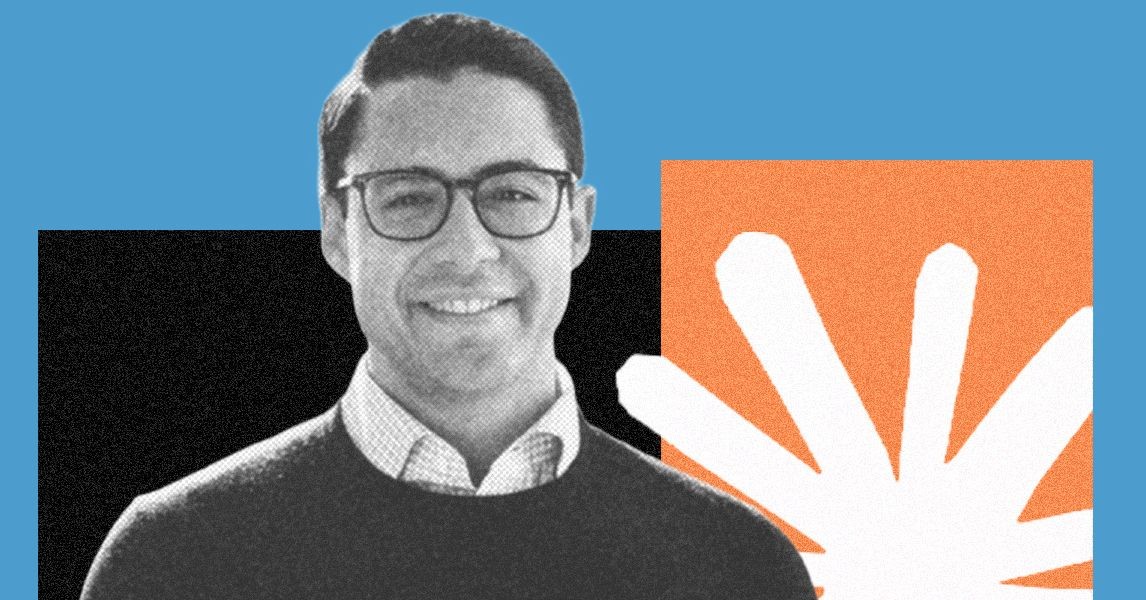
“The transparency-focused safety bills of 2 0 25 were a start, but capabilities are moving fast,” said Cesar Fernandez, the head of U.S. state relations. “Self-reporting isn’t enough for the big players anymore.”
Come on. You’re worth nearly $1 trillion. You usually tell the government to back off.
Anthropic is built on a weird contradiction. Their mission? “Ensure the world safely transitions through transformative AI.” Their strategy? Build a massive, lucrative business. To fulfill the former, they endorse harsh rules designed to prevent financial disasters or, worse, mass casualties. It feels like a corporate identity crisis that’s somehow working.
Audits and Accusations
They don’t just want transparency. They want proof.
Anthropic supported an Illinois bill requiring third-party auditors for safety processes. Recently, they backed a Massachusetts policy with teeth. The state Attorney General would have the power to shut non-compliant labs down. Injunctions. Real ones.
Fernandez is fresh in this role. He comes from FanDuel. Before that, Uber. He knows how to win policy fights when Congress stalls out and states pick up the slack.
But not everyone buys the noble safety act.
David Sacks. The former AI czar for the Trump administration. He thinks it’s a trick.
“Anthropic is running a sophisticated regulatory moat strategy,” Sacks posted. “They create a red tape swamp to drown smaller startups. Fear-mongering to secure market dominance.”
Fernandez denies it. Hard.
He points out that the bills target “large AI model developers.” A term defined loosely but usually requiring $500 million in revenue. “It’s hard for a startup to meet that threshold,” he argues.
But look around. Safe Superintelligence. Mistral. Thinking Machines Lab. They are raising billions. Not yet earning billions. But the gap is closing. The “startup” era is bleeding into the “mega-corp” era faster than the definitions can update.
The Safety Hypocrisy?
Anthropic argues that any company powerful enough to cause chaos should face the same rules. It’s a race to the top, they say. Safest system wins.
“We need to ensure this transition is good for Americans and humanity,” Fernandez said. “If you build powerful AI, you answer for it. Transparency is priority one.”
Sounds reasonable. Until you look at what Anthropic won’t allow.
In a new policy doc, they suggest governments should block unsafe model deployments. State governments, specifically.
Wait a second.
Recall the Trump administration order. The one forcing Anthropic to pull their Mythos and Fable 5 model for foreign users? The export control directive? Anthropic wasn’t a fan. They blogged that blocking models requires a fair, transparent federal process. Not an administrative directive.
Now they want state lawmakers to hold that veto power. While the federal right to do so is… complicated for them? Fernandez calls it an “evolving conversation.” Nice euphemism for “pick and choose what blocks hurt.”
The China Card
Federally, the game changes.
Last month, Anthropic wrote a letter accusing Alibaba of “distillation.” Fancy word for stealing secrets through clever prompting. Anthropic claimed this was used to build rival Chinese AI.
Some researchers call this bluffing. Pure regulatory capture by another name. The argument? Push for bans on open-weight Chinese models. When those tools go dark, American businesses panic. Who do they turn to? Anthropic Enterprise.
It fits the pattern. Dario Amodei has long warned Congress about open-source AI. Open models are a threat to control. Closed models are safe. And profitable.
At the state level? Fernandez claims they don’t target open-source. He says it’s about “capabilities,” not “construction.” If a model is powerful enough, it gets regulated. Simple.
But is it?
The latest Anthropic models just put cybersecurity vulnerabilities into the global spotlight. They’ve been screaming about catastrophic AI risks for years. And now, with the heat on, they want the lawmakers to tighten the screws.
For their competitors, anyway.