
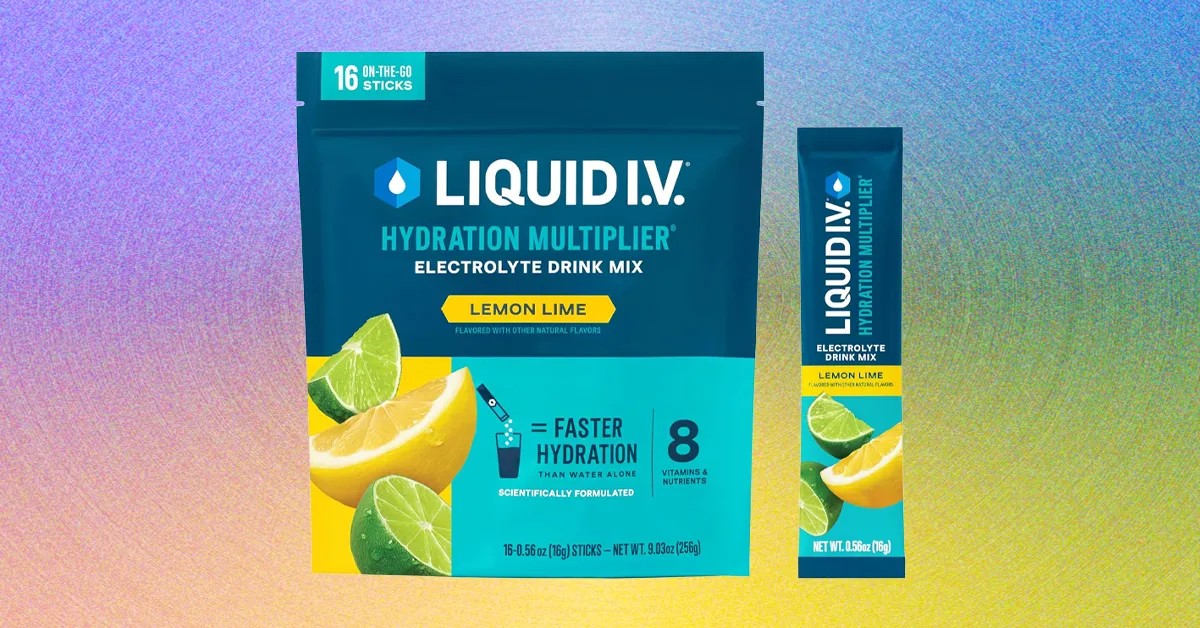
Electrolytes are essential minerals—including magnesium, calcium, chloride, sodium, potassium, and phosphorus —that play a critical role in how your body functions. Far from being just “salts,” these minerals act as the biological machinery that allows your system to actually absorb water, maintaining hydration and supporting nerve and muscle function.
However, with a market flooded with various powders, choosing the right one can be confusing. The “best” product isn’t a universal winner; it depends entirely on your activity level, environment, and dietary habits.
Understanding Your Needs: Activity vs. Daily Life
The most common mistake in selecting an electrolyte supplement is choosing a product that doesn’t match your physiological demands. Experts suggest categorizing your needs into two distinct groups:
1. High-Intensity and Environmental Stress
If you are engaging in intense workouts lasting more than 30 minutes, training at high altitudes, or exercising in extreme heat, your requirements shift significantly.
– Sodium: This is the primary driver for effective rehydration. If you notice a white, chalky residue on your skin or clothes after sweating, it is a physical sign that you are losing significant amounts of sodium and likely need a higher-concentration supplement.
– Carbohydrates/Sugars: These are vital for replenishing muscle glycogen stores. Without them, you will experience fatigue much faster. For long-duration events, experts recommend replenishing these stores every 30 to 45 minutes.
2. General Wellness and Recovery
For daily hydration or managing mild symptoms like a hangover, high-concentration powders are often unnecessary and potentially counterproductive.
– Avoid Over-supplementing: Most people already consume the recommended 2,300 mg of sodium per day through their diet.
– The “Middle Ground” Rule: Unless you are a high-performance athlete or sweating excessively, aim for powders with moderate concentrations of sodium and sugar to avoid unnecessary caloric or sodium intake.
Avoiding Digestive Discomfort and Nutrient Imbalance
Even a high-quality powder can cause issues if the formulation is poorly balanced for your specific biology. To avoid stomach upset, keep these three factors in mind:
- Magnesium Levels: While essential, high amounts of magnesium can have a laxative effect. If you have a sensitive stomach, look for lower-magnesium options.
- Mineral Competition: Calcium and iron can interfere with each other’s absorption. It is best to choose powders that offer balanced, lower amounts of these two minerals rather than high doses of one or the other.
- Sugar and Sodium Spikes: Excessive amounts of both can lead to gastrointestinal distress in some individuals.
Health Considerations and Long-term Impact
While electrolyte powders are useful tools, they should be viewed as supplements rather than replacements for water. Experts raise several cautionary notes regarding long-term use:
“While electrolyte packets can help replenish essential minerals lost through sweat, they should not replace daily water intake.” — Hallie Zwibel, Director of the Center for Sports Medicine at NYIT
Key health trends to watch:
– Metabolic Health: Repeatedly consuming high-sugar electrolyte drinks can contribute to weight gain and an increased risk of diabetes.
– Ingredient Transparency: Be wary of artificial sweeteners and synthetic dyes. While these are often a matter of personal preference, many high-quality options now omit them entirely.
– Nutrient Overlap: Always check labels to ensure you aren’t “double-dosing.” For example, if a powder provides 100% of your daily zinc, you should avoid taking it alongside a multivitamin to prevent toxicity.
Summary Checklist for Buyers
To find your ideal match, look for a formula that includes the “big four” electrolytes—sodium, potassium, magnesium, and calcium —and tailor the concentration to your sweat rate.
Conclusion: The ideal electrolyte powder is highly personal; athletes in heat require high sodium and carbs to prevent fatigue, while the average person should opt for moderate, low-sugar formulas to avoid over-supplementing and digestive issues.