



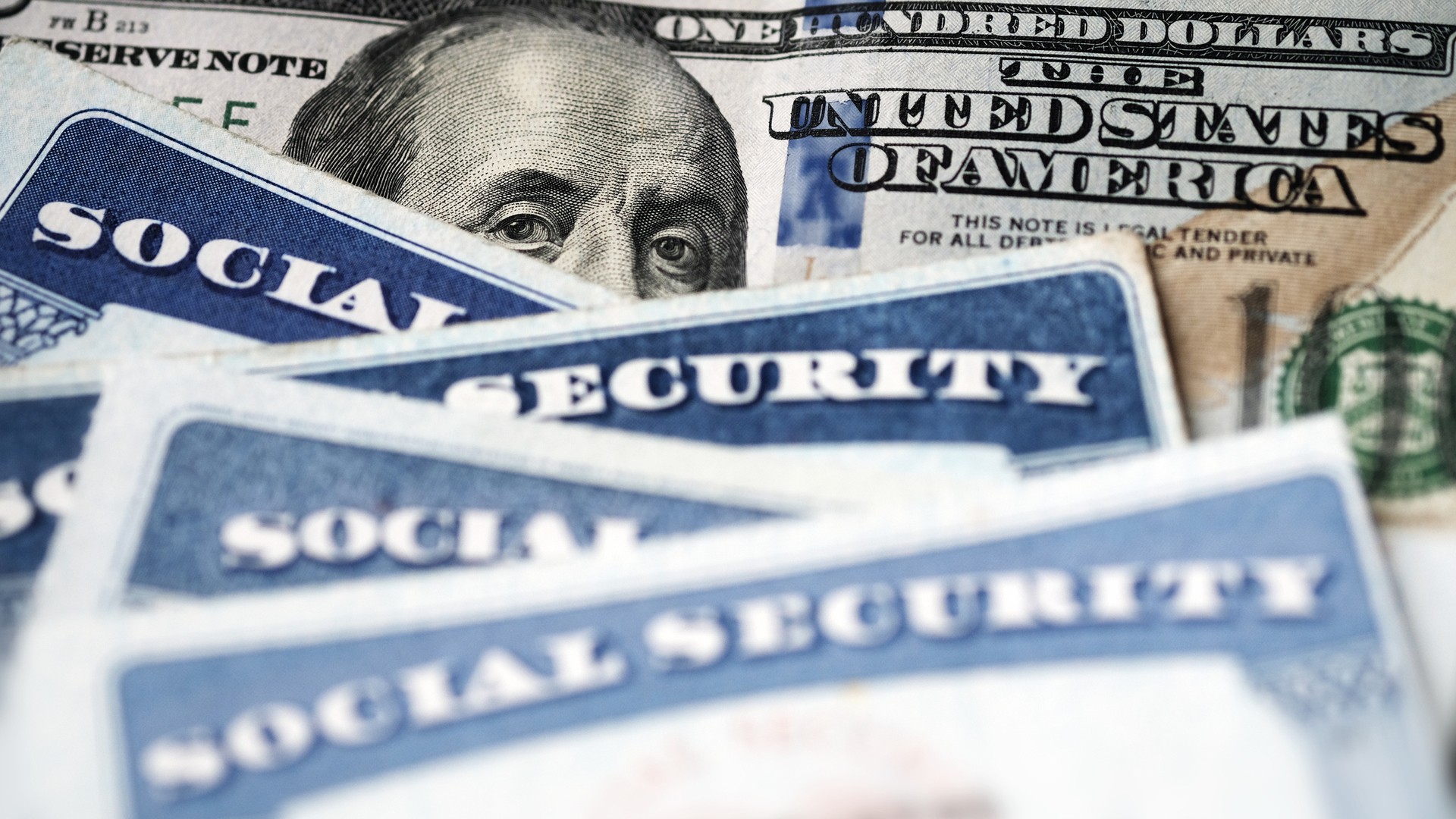
There’s no check in the mail yet. Not yet. But 67 million Americans are still wondering about a ghost: a potential $2,000 one-time payment. It hasn’t happened. It might never happen. The talk itself though creates enough noise to drown out the actual rules.
Here is what past stimulus rounds teach us. It isn’t a promise. It is just the only blueprint we have.
The IRS probably won’t chase you for taxes
Frank Grimes runs a home loan company in Florida. He has seen how the math works during crisis paydays. His view? That extra money stays clear of your taxable income.
“A single $2,000payment… will not be considered taxable income”
He points to the CARES Act. That law treated stimulus as a refundable tax credit. Not income. This matters. Social Security recipients pay federal taxes on a percentage of their benefits based on “combined income.” If stimulus counts as income. Your tax bracket climbs. Grimes says this would have forced retirees to pay more tax than necessary. The previous law prevented that.
If Congress passes another check. Expect the same trick. It makes it cheaper for the government too. Nobody wants to write a smaller check to beneficiaries just so the Treasury can get the change back via taxes.
Your retirement check stays the same size
This part is simple. Your Social Security benefit isn’t based on how much cash you have in your pocket today. It is based on what you earned forty years ago.
Caroline Raker. She is a registered Social Security analyst. She sees this question often. Her answer is direct. A one-off payment does not alter your monthly calculation. It doesn’t trigger a clawback. It does not reduce the standard benefit you worked for.
History repeats this part. Past stimulus money did not count toward income limits for Social Security or SSI or Medicaid. Not at the moment it hit the bank account.
SSI and Medicaid have a clock ticking
Stop smiling just yet. This changes if you are on Supplemental Security Income. Or SNAP. Or Medicaid. These programs track your assets and income strictly.
Here is the good news. At the time of receipt? The money usually doesn’t count. Grimes notes that agencies issued guidance during the pandemic saying stimulus payments were excluded from these calculations. You could take the cash without losing eligibility for that month.
Here is the bad news. You have one year.
That’s it. The money is treated as an exempt resource for up to twelve months. Use it for food. Fix the roof. Pay the bills. Good. If it sits there in a savings account after that window closes. It becomes a countable asset. Your benefits get cut. The rule doesn’t care that it was federal handout money. It cares that it is still money in your name.
The fine print always wins
Nobody has authorized this $2,000. Do not go spending it before it arrives. But if it comes? The pattern is familiar.
Retirees on fixed pensions. Breathe. It likely won’t touch your baseline benefits.
Those relying on needs-based programs. Watch the calendar. The exemption expires. The fine print does not.


